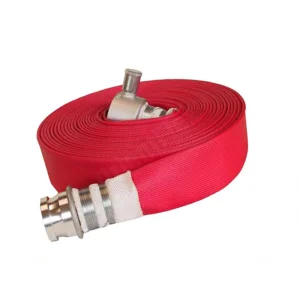
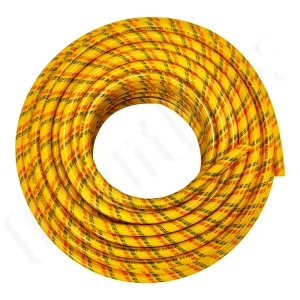
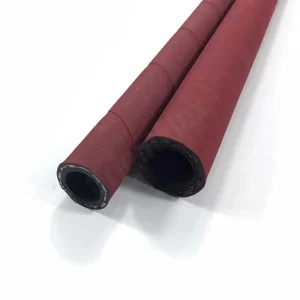
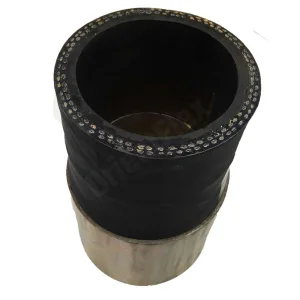
Explore our elite range of custom-engineered industrial hoses, manufactured using advanced polymers to withstand extreme pressures and thermal degradation.
Steam is one of the most volatile and dangerous utilities in modern industry. It contains tremendous latent heat, and any failure in transmission leads to immediate explosive decompression, structural damage, and severe injury. Consequently, high-performance EPDM (Ethylene Propylene Diene Monomer) rubber steam hoses serve as critical lifelines in chemical refining, shipbuilding, steel mills, and agricultural production.
For standard systems, saturated steam operates at a direct correlation between temperature and pressure, requiring hoses that maintain elasticity under continuous thermal exposure. Superheated steam, which is drier and hotter than saturated steam, demands advanced vulcanized compounds. By partnering with an established OEM manufacturer, engineers can customize the elastomer density, reinforcement matrix, and outer protective layer to survive these demanding conditions.
| Hose Property | Saturated Steam System | Superheated Steam System |
|---|---|---|
| Operating Temp Range | Up to 210°C (410°F) | Up to 232°C (450°F) |
| Working Pressure Limit | 18 Bar (261 PSI) | 20 Bar+ (290 PSI) |
| Inner Polymer Choice | Standard Grade EPDM | Premium High-Performance EPDM |
| Reinforcement Matrix | Single Steel Wire Braid | Double High-Tensile Steel Wire Braid |
| Primary Failure Mode | Popcorning / Blistering | Thermal Hardening / Cracking |
The story of Hebei Orient Rubber & Plastic Co., Ltd. is one of continuous quality improvement, supply chain modernization, and international expansion.
Established in 2010, Hebei Orient Rubber & Plastic Co., Ltd. has grown from a humble regional manufacturer into a global leader in high-performance polymer extrusion. We design, produce, and export a complete line of premium industrial, hydraulic, silicone, and automotive hoses. Today, our catalogue includes 5 comprehensive series and more than 150 customized types of flexible conduits.
Our operational trajectory highlights our dedication to quality: starting with just 10 team members in 2010, our workforce has expanded to over 180 skilled technicians, chemists, and customer support representatives. By scaling our manufacturing footprint and adopting automated vulcanization machinery, our monthly production capacity now comfortably handles 100 export-ready containers.
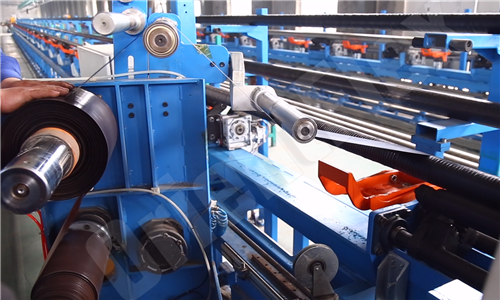
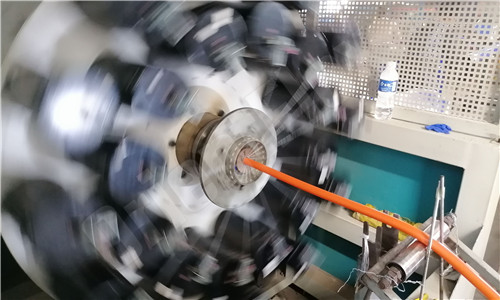
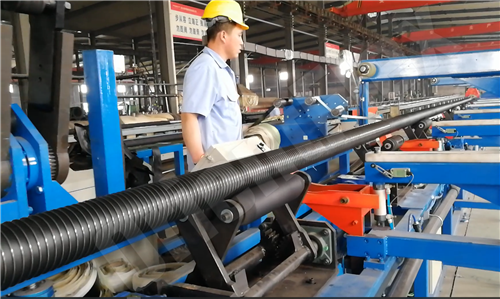
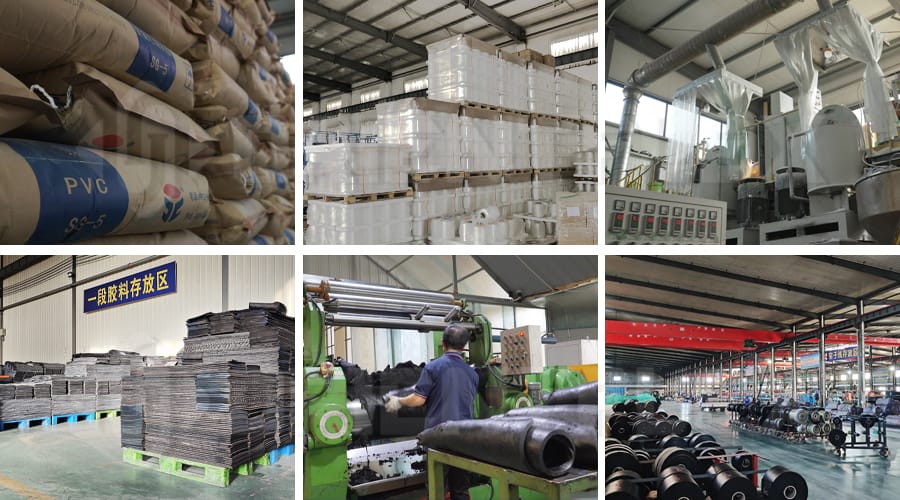
We combine over a decade of international trade experience with rigorous quality management frameworks to ensure your processes run safely.
Fully compliant with ISO 9001 and ISO 14001, CE directives, FDA standards for hygienic applications, and REACH environmental requirements.
Complete product engineering, assembly fitting, quality inspection, customs handling, and door-to-port logistics management under one roof.
Our dedicated sales and engineering teams offer post-sale troubleshooting, custom fitting consultations, and onsite deployment planning.
Multiple convenient and secure payment terms customized to regional buyer profiles, mitigating risk and easing cash flow management.
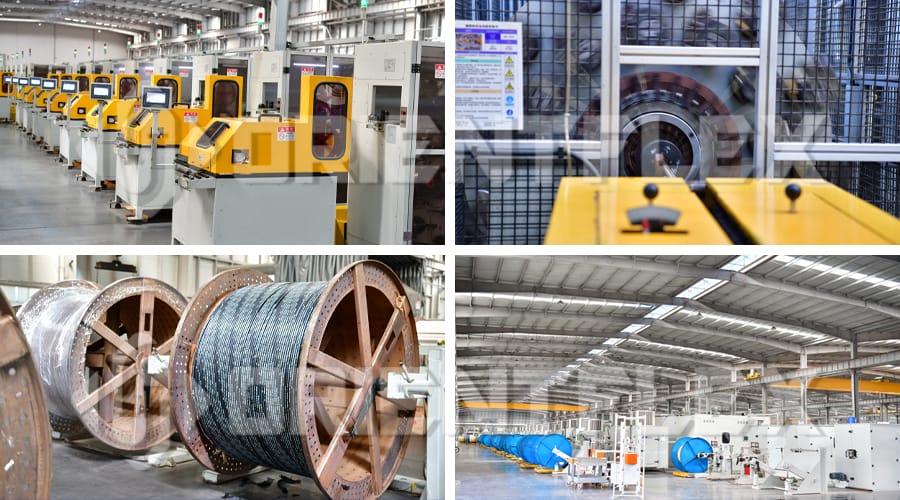
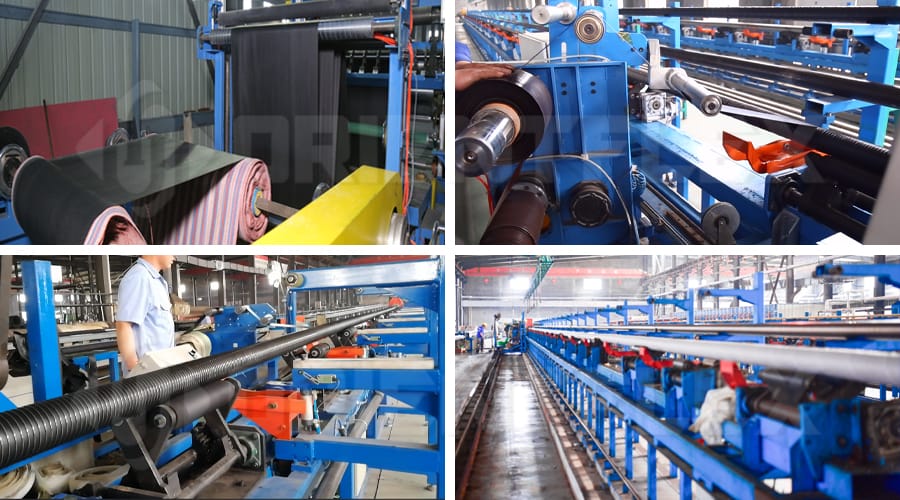
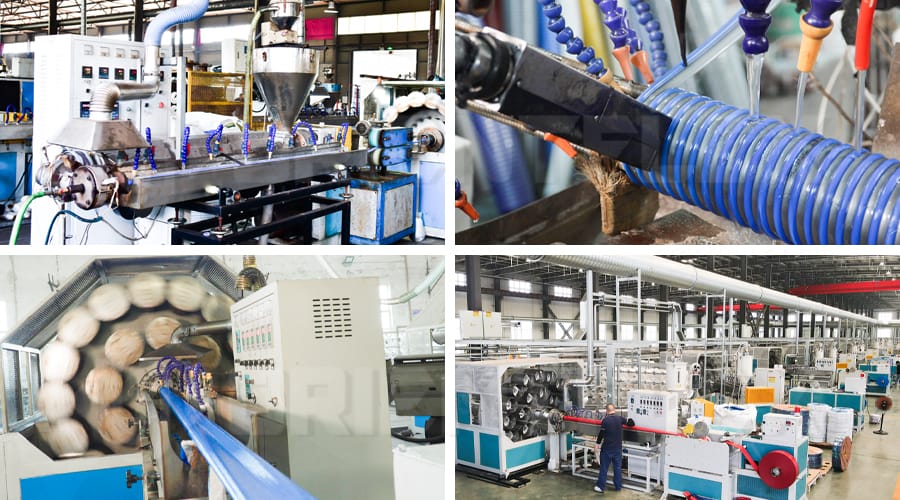
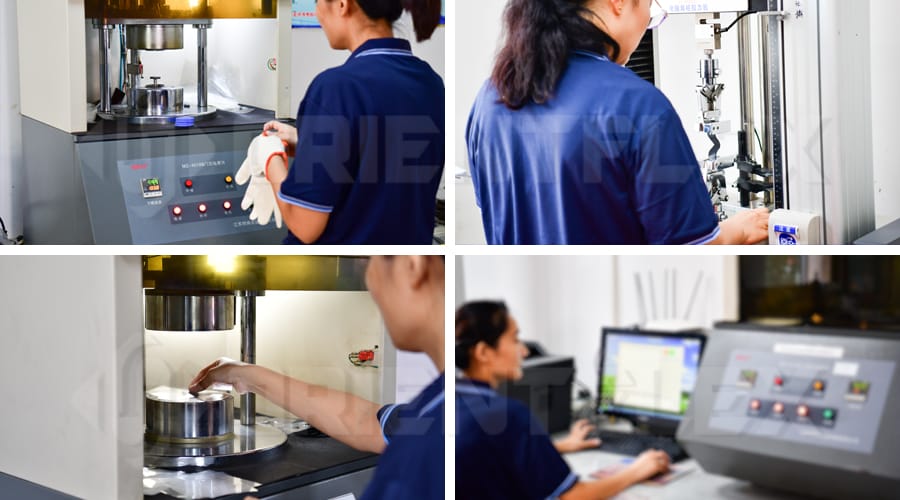
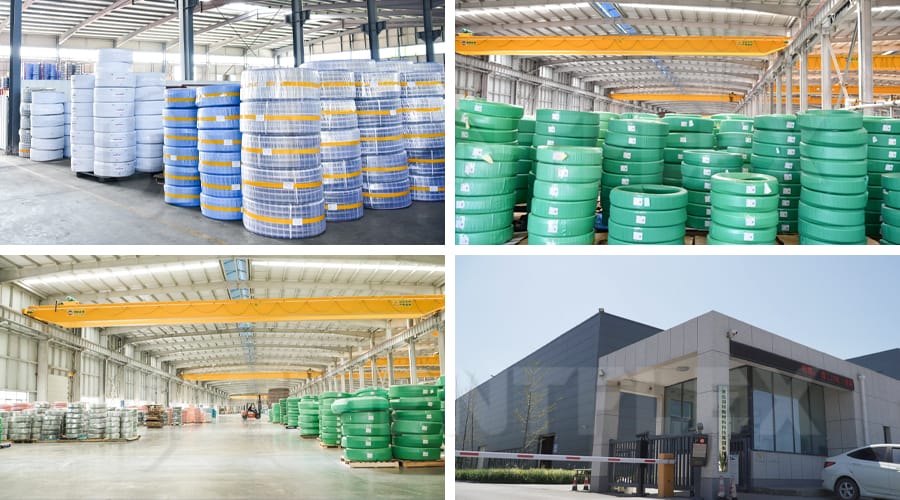
How our R&D lab builds hoses that withstand continuous heat, rapid pressure drops, and abrasive external environments.
The lifetime of a rubber steam hose depends on its material formulation and vulcanization quality. To prevent the structural breakdown known as the "popcorn effect"—where steam molecules penetrate the inner tube wall and expand rapidly during cooling—we use premium EPDM polymers. Our unique compounding process yields highly cross-linked polymer chains that are virtually impermeable to high-pressure gas molecules.
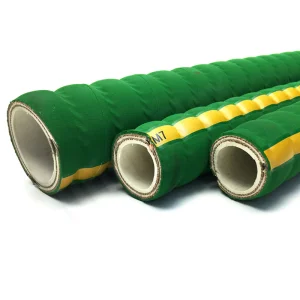
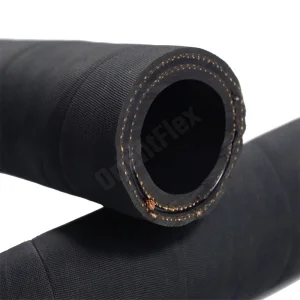
The hose consists of three essential layers:
Additionally, we apply special chemical aging inhibitors to our EPDM compounds. This protects the outer cover against atmospheric ozone, UV degradation, and weathering, keeping the hose functional even in open-air marine ports, chemical processing yards, and steel mills.
From heavy chemical plants to marine cleaning, our steam hoses are designed for reliable performance in a wide range of settings.
Used for cleaning storage tanks, delivering heat-trace steam to process piping, and purging process lines during shutdowns. The chemically inert EPDM inner tube resists the acidic and alkaline residues often found in processing plants.
Designed for onboard steam cleaning, heat transfers, and ice melting in cold regions. Our heavy-duty wire braids resist salt spray, humidity, and abrasion against steel decks.
Delivers high-temperature steam to curing molds, paper drying rollers, and machinery seals. Excellent flexibility makes routing through tight machinery simple and reduces downtime.
FDA-compliant steam hoses are engineered for sterilizing processing lines, vat cleaning, and pasteurization systems, withstanding extreme thermal cycling and washdown chemicals.
Why sourcing from Hebei Orient Rubber & Plastic provides reliable lead times, stable material costs, and consistent quality.
Managing supply chain risk is vital for modern purchasing managers. Located in the heart of Hebei’s industrial hub, our factory has direct access to high-quality synthetic rubber polymers, steel wire reinforcements, and specialized chemical compounding components. This local availability protects us from raw material supply bottlenecks, ensuring we can deliver orders on time even during periods of volatile global logistics.
By using automated production machinery, we maintain high efficiency and keep manufacturing costs stable. This allows us to offer competitive pricing without compromising quality. Additionally, our closeness to major shipping ports like Tianjin enables fast export clearance and shorter shipping times to North America, Europe, and the Middle East.
Our Quality Management System controls every step of production, from raw material inspection (checking tensile strength and elastomer density) to vulcanization monitoring and hydrostatic burst testing. We also use advanced barcode systems to track batches, ensuring complete traceability for every hose coil that leaves our warehouse.
Answers to common technical, installation, and procurement questions about industrial rubber steam hoses.
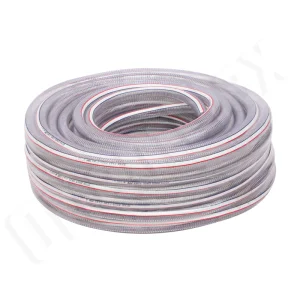
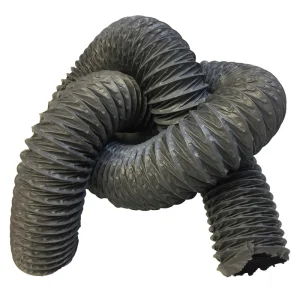
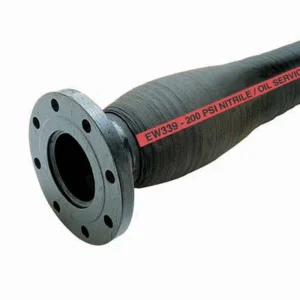
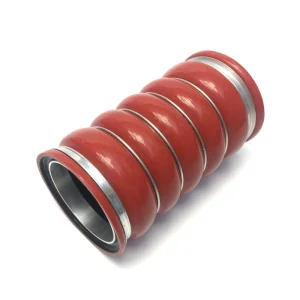
We manufacture a complete line of high-pressure and chemical-resistant hoses to support all your industrial fluid transfer needs.
 Orient Flex