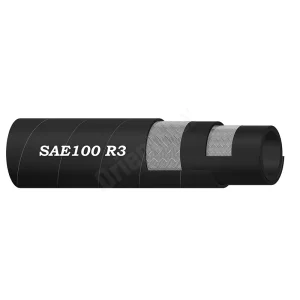
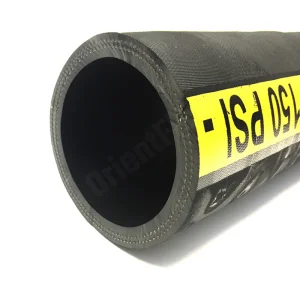
Explore our premium grade fluid transfer product series. Engineered to meet absolute standards of safety, thermal resistance, and mechanical resilience.
Modern fluid dynamics demands more than just basic conduit capabilities. In chemical logistics, maritime oil transfer, and heavy manufacturing sectors, the risks associated with fluid escape are immense. Compotec Hoses represent a paradigm shift in safe, multi-barrier transfer technology. Utilizing high-performance thermofused films, helical reinforcements, and multi-layered barriers, these composite hoses outperform traditional rubber or metallic alternatives in flexibility, weight, and safety margins.
Unlike single-wall hoses, composite designs are engineered as multi-layered structures, utilizing specialized barrier matrices such as PTFE, Polyamide, and Ultra-High-Molecular-Weight Polyethylene (UHMWPE). This structural philosophy ensures complete chemical containment, reducing the risk of catastrophic failure under extreme bending stress, thermal pressure, and vacuum fluctuations.
As standard-setting engineering has advanced globally, the focus has shifted toward lighter-weight hoses that reduce human labor requirements and structural wear on vessel connections, while guaranteeing maximum compatibility with highly volatile chemicals, liquid gases, and hydrocarbon derivatives.
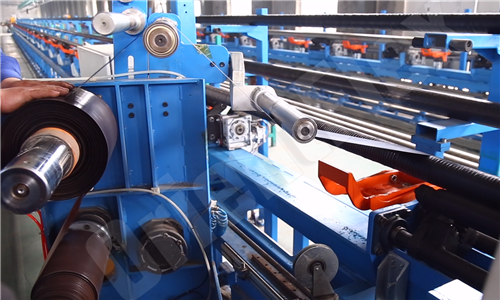
Analyzing key variables that modern logistics managers, procurement heads, and safety officers look for when choosing custom flexible solutions.
The rise of LNG transfer and extreme thermal chemical processes demands composite hoses that maintain structural elasticity and seal integrity at temperatures ranging from -200°C to up to +500°C. Standard rubber compounds fall short, pushing the market toward specialized PTFE and metal-composite structures.
Global supply chains require absolute compliance with international certifications. Hoses used for pharmaceutical or food transfer must satisfy FDA Title 21 CFR regulations, whereas hazardous chemical operations demand EN 13765 standards, ensuring robust mechanical and electrical conductivity safety.
Frictional charging during hydrocarbon, chemical, or dust transfer can ignite catastrophic explosions. Advanced Compotec styles utilize continuous inner and outer steel helix wires to ground electrical buildup, ensuring safety in hazardous zones.
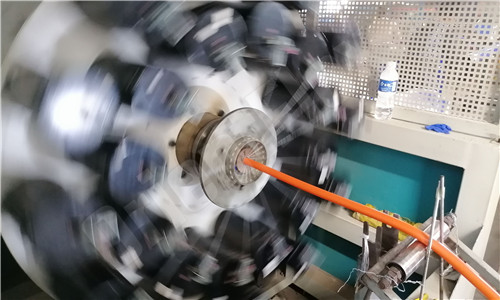
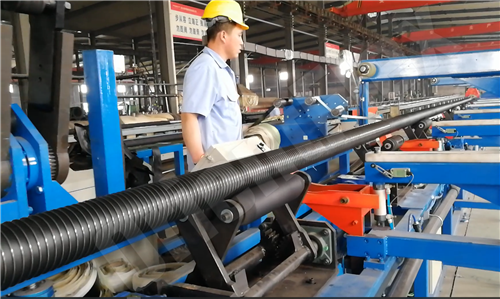
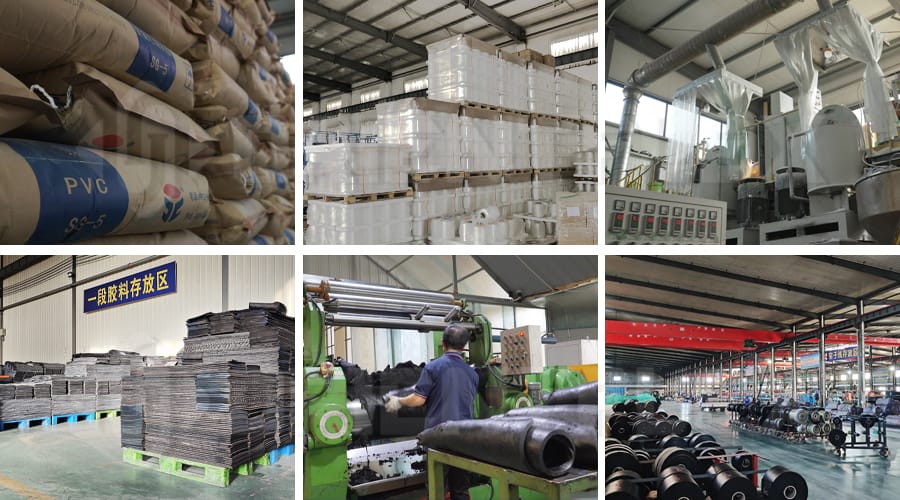
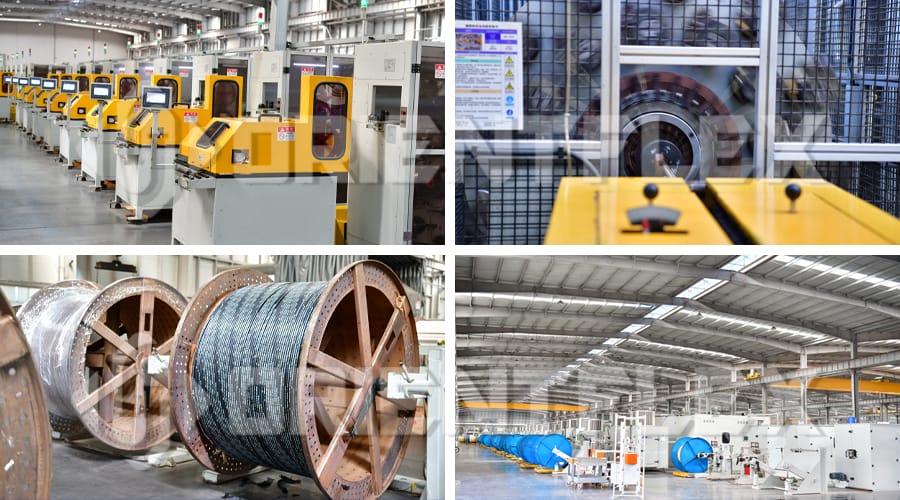
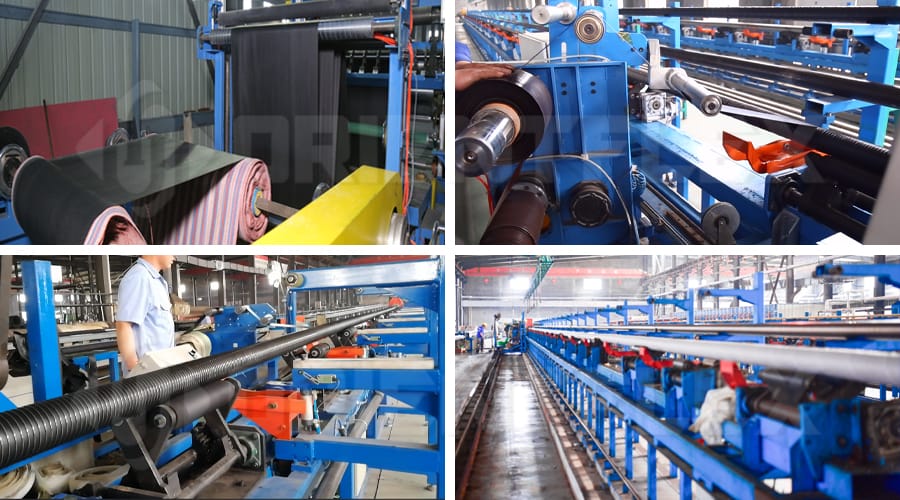
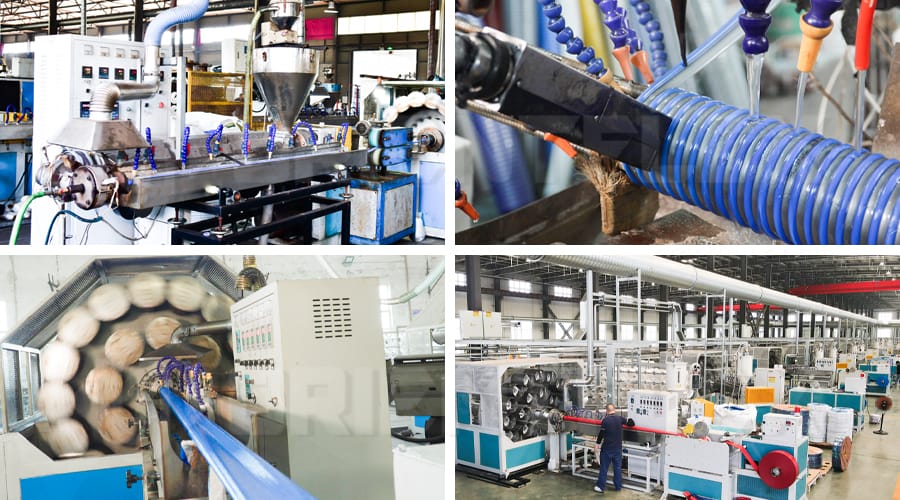
Operating as a leader from our advanced facilities under Hebei Orient Rubber & Plastic Co., Ltd., we utilize modern automated engineering principles (Factory 4.0). Our production floor integrates computerized extrusion, precise heat-sealing of composite layers, and automatic coiling/wrapping technology. This modernization mitigates manual assembly defects, guaranteeing high tensile strength and uniform hose dimensions across large production runs.
By leveraging China's optimized raw material ecosystems (including premium PTFE resins, specialized steel wire braids, and high-performance elastomers), we bypass global supply chain disruptions. This localization of materials ensures competitive pricing and robust manufacturing timelines.
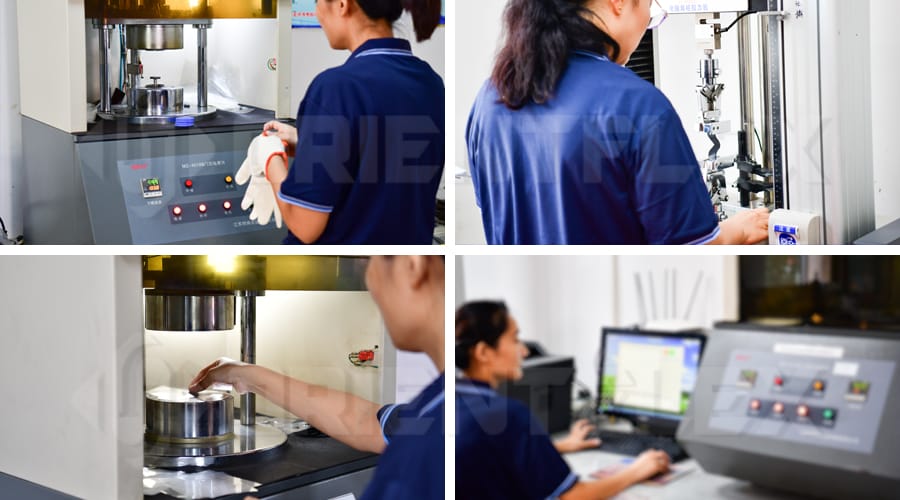
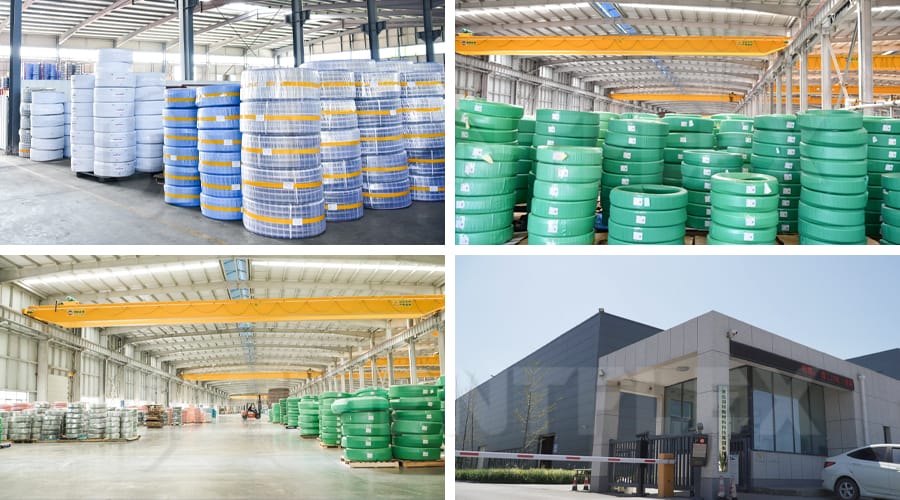
Our monthly output reaches 100 shipping containers, distributed worldwide. Quality control is integrated into every step, starting from raw polymer inspects to final hydrostatic pressure testing, ensuring our industrial solutions meet ISO 9001 and ISO 14001 standards.
From dockside chemical unloading to underground ventilation systems, our customized composite solutions are engineered to excel in diverse industrial environments.
Subjected to harsh tidal movements, salty air, and rapid pressure fluctuations. Our composite hoses remain highly flexible even under tight bends and vacuum stress, offering the ideal link between cargo vessels and terminal pipelines without risk of kinking.
Handling concentrated acids, alkalis, and complex chlorinated solvents. Utilizing internal PTFE or UHMWPE liners guarantees total immunity to chemical degradation, avoiding swelling or liner dynamic degradation over extended service lives.
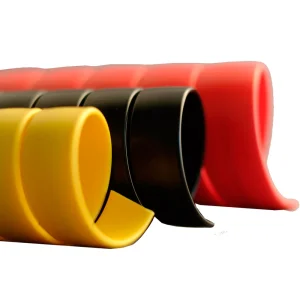
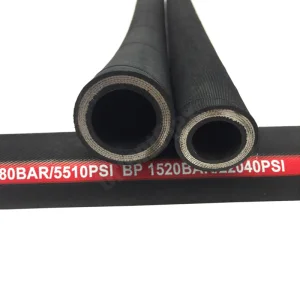
Underground machinery requires high-impulse hydraulic lines. Steel-wire braided structures and custom spiral guards ensure extreme resistance to external abrasions, dynamic pressure spikes up to 20,000 PSI, and physical impact damage.
Conveying sand, dry cement, and abrasive mine tailings. The internal rubber formulas are specifically structured with high abrasive resilience ratings, preventing premature wear and pipeline system downtime.
From a small localized production team to a globally recognized group enterprise, our history is driven by persistent product improvement and technical innovation.
Founded in 2010 with just a 10-member workforce, we set out with a clear vision: to engineering the highest quality industrial and thermoplastic hoses. Over the span of 14 years, we expanded our facility footprint, integrated CNC-controlled manufacturing lines, and hired more than 180 professional staff members.
In 2023, we officially structured into a group enterprise. Today, we oversee 5 primary product series: industrial hoses, thermoplastic hoses, hydraulic hoses, silicone hoses, and auto hoses, covering more than 150 unique product types. Our commitment to global safety certifications and customer-focused services has established us as a primary supplier for key accounts across North America, Europe, Australia, and Southeast Asia.
Detailed technical answers to common questions asked by engineers, procurement heads, and field safety managers.
Standard rubber hoses rely on a vulcanized rubber layer supported by fabric or wire braiding. Compotec composite hoses utilize a multi-layered barrier design consisting of multiple thermoplastic films and fabrics (such as PTFE, Nylon, and Polyester) wrapped tightly between internal and external metal helixes. This enables a lower bending radius, lighter weight, and dual-layer safety—if the inner layer suffers micro-cracks, the secondary films prevent catastrophic chemical spills.
Electrostatic discharge is a serious hazard during hydrocarbon transfer. Our composite and industrial chemical hoses are constructed with inner and outer steel helix wires that are securely bonded to the metal end couplings. This forms a continuous electrical path, allowing static charges generated by high-velocity fluid flow to safely ground through the vessel or tank chassis.
PTFE (Polytetrafluoroethylene) and UHMWPE (Ultra-High-Molecular-Weight Polyethylene) have high molecular density and inertness. This resists attacks from solvents, strong acids, oxidizers, and basic solutions. They prevent absorption, swelling, or contamination of the chemical media, ensuring clean transfers and long service life.
Every hose undergoes strict testing. This includes hydrostatic pressure testing at 1.5 times the rated working pressure, vacuum testing to confirm lining cohesion, and electrical resistance tests. Customers receive certified documentation proving structural integrity, pressure tolerance, and electrical continuity compliance.
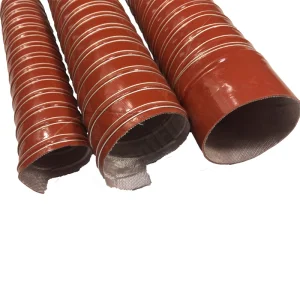
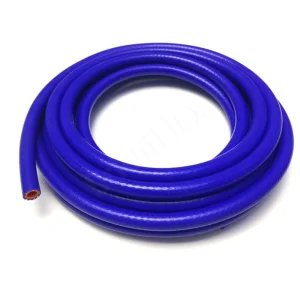
Yes, our ODM and OEM capability is highly customizable. We can adjust the thickness of inner layers, customize reinforcement braids, configure silicone properties for high-temperature applications up to 500°C, and attach custom-designed fittings (such as Camlock, NPT, or Flanges) to match your piping systems.
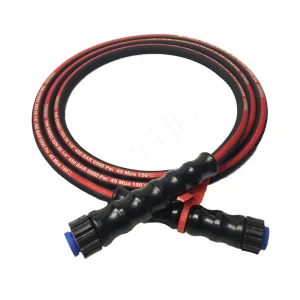
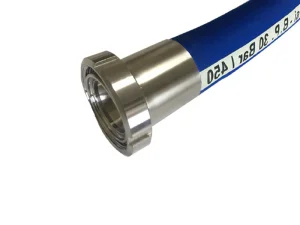
Providing high pressure, food-grade, thermal resistant, and gas transmission systems to support demanding global operations.
 Orient Flex