As a premier Custom Composite Cryogenic Hose Factory, we recognize that fluid transfer at temperatures as low as -196°C (Liquid Nitrogen) or -162°C (LNG) requires more than just a hose—it requires a mission-critical engineering asset. In today's energy landscape, the demand for composite cryogenic hose factories that can deliver high-performance, multilayered solutions is skyrocketing. Our technical approach leverages the latest in polymer science and stainless steel reinforcement to ensure zero-permeability and maximum safety during ship-to-shore and terminal-to-tanker operations.
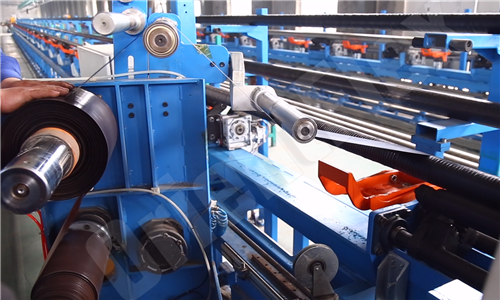
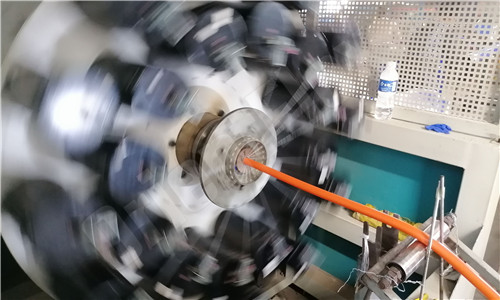
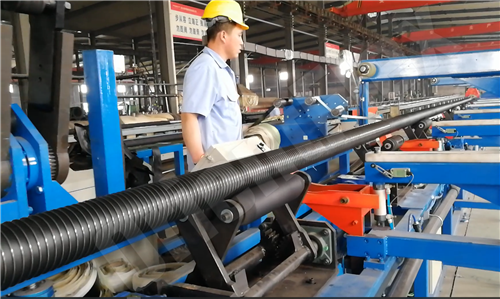
Unlike traditional rubber or metallic hoses, our composite hoses consist of multiple layers of thermoplastic films and fabrics (BOPP, Polyester, and Polyamide). This structure provides exceptional flexibility even at ultra-low temperatures, preventing the "cold-cracking" common in inferior products. The inner and outer stainless steel wire helices ensure structural integrity against high pressure and vacuum collapse.
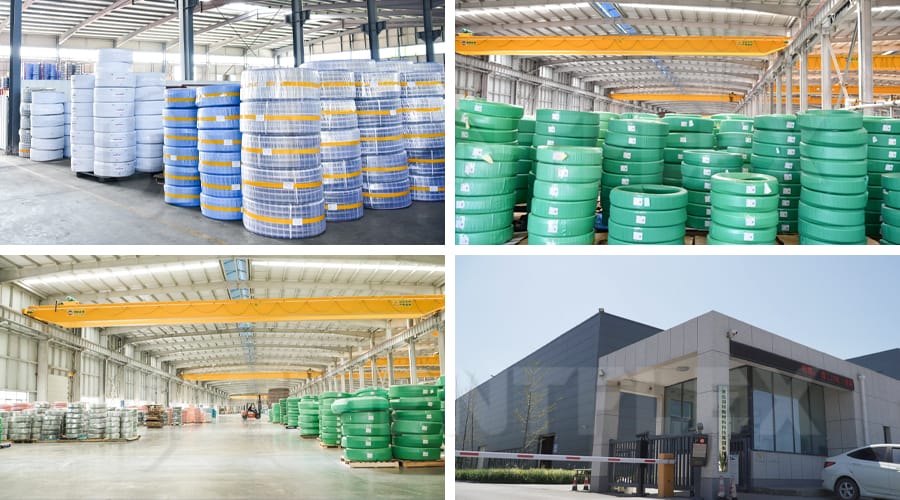
Hebei Orient Rubber & Plastic Co., Ltd. was set up in 2010. We are a manufacturer integrating produce and export hoses and fittings. For our product, we have 5 series and more than 150 types. The 5 series include industrial hose, thermoplastic hose, hydraulic hose, silicone hose and auto hose. After 13 years' high speed development, we become a group company in 2023.
Industry Experience
Monthly Supply Capacity
Dedicated Team Members
As global industries shift toward Hydrogen, composite hoses are being re-engineered to handle the unique molecular size and temperature requirements of Liquid Hydrogen (LH2).
With stricter IMO regulations, LNG is the primary marine fuel choice. We provide flexible bunker hoses that facilitate safe ship-to-ship refueling in volatile sea conditions.
Future technical roadmaps include the use of graphene-enhanced films to further reduce permeability and increase the life cycle of cryogenic transfer lines.
Procurement departments in the energy and chemical sectors face challenges regarding supply chain stability and compliance. Our custom composite cryogenic hose factory provides a holistic solution beyond the product itself:
| Requirement | Our Solution | Value to Client |
|---|---|---|
| Strict Compliance | Certification to EN 13766:2010 and AS 2683 standards. | Legal safety and insurance eligibility. |
| Extreme Durability | Multi-layer thermoplastic barrier with 316L SS reinforcement. | Reduced downtime and 5x longer service life. |
| Global Logistics | FOB/CIF/DDP shipping to over 120 countries. | Streamlined procurement and reduced overhead. |
| Technical Support | 24/7 engineering consultation and on-site training. | Safe operation and risk mitigation. |
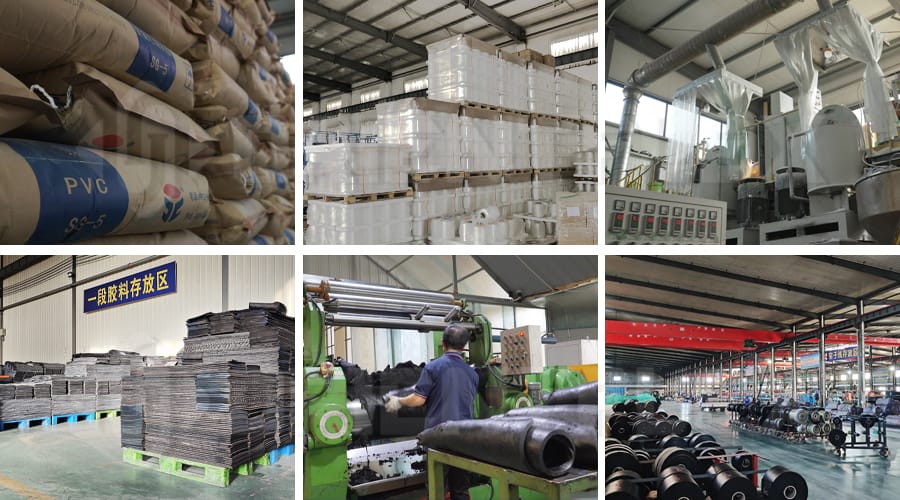
At the beginning of our establishment in 2010, we have just 10 members. But after 14 year’s develop, we have over 180 people now. Meanwhile, we constantly expand the scale our factory. Besides, we constantly improve our technology and update advanced equipment. As a result, our production efficiency has been greatly improved. While our products become better and better. And now, our supply capacity reaches 100 containers per month.
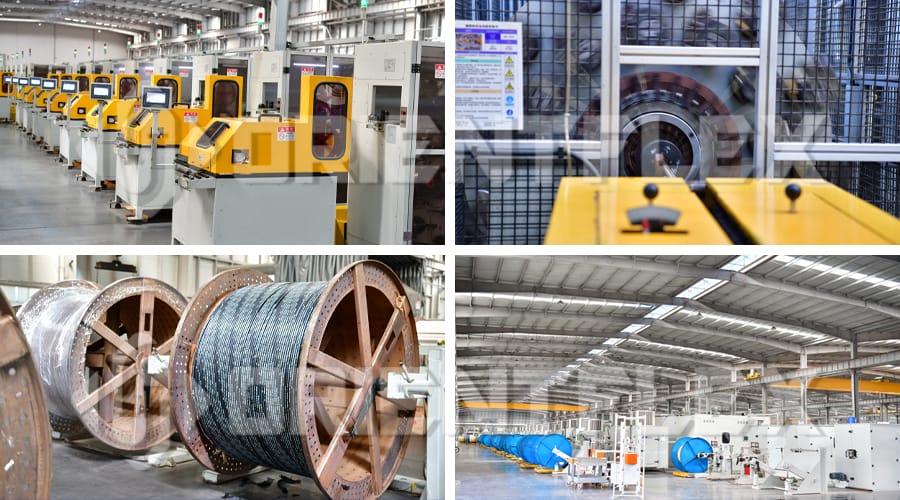
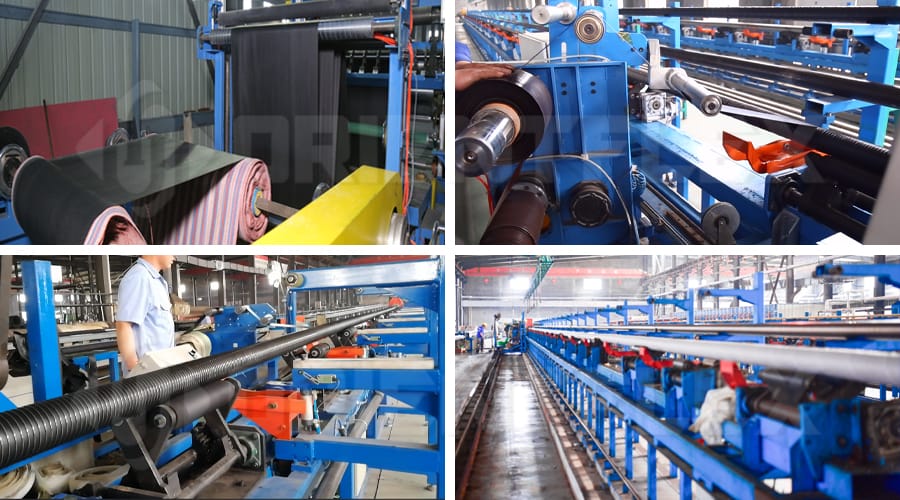
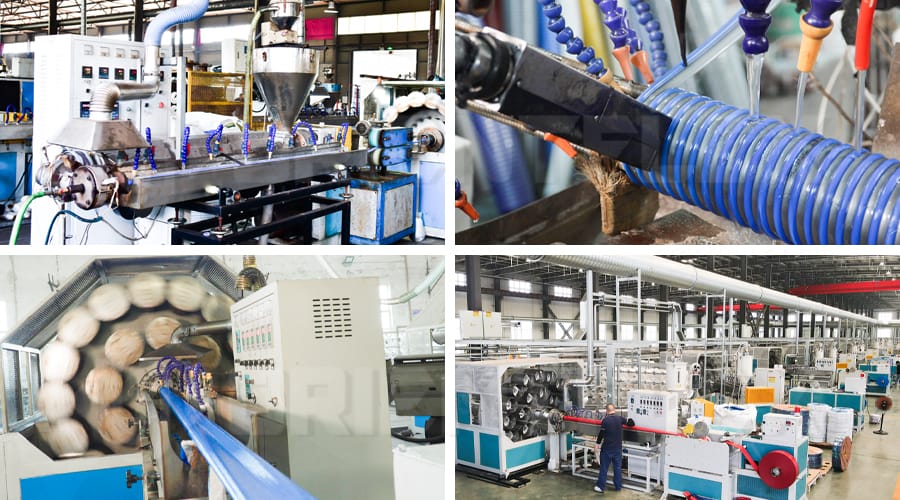
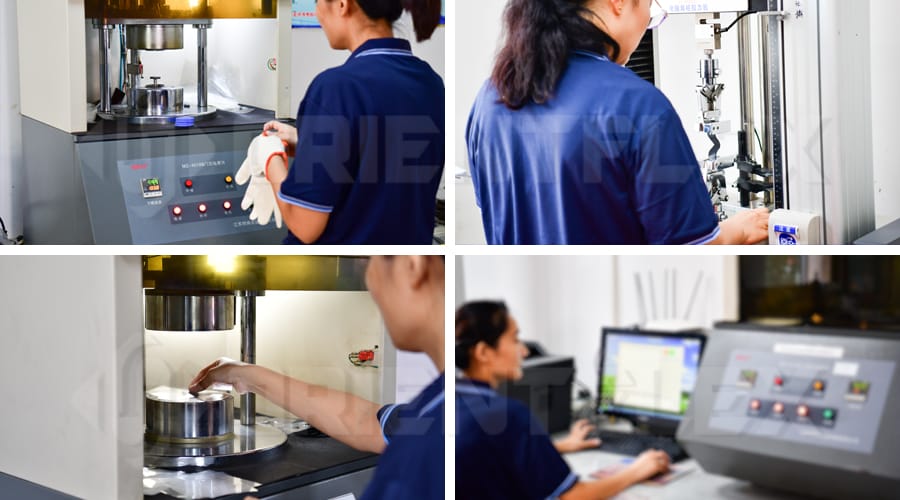
As a leading Composite Cryogenic Hose Factory, we are committed to R&D that addresses the "Three Pillars of Cryogenic Safety": Thermal Stability, Mechanical Integrity, and Chemical Compatibility.
Implementation of seamless PTFE inner liners to provide 100% resistance to corrosive additives in industrial gases.
Development of "Smart Hoses" embedded with fiber-optic sensors to detect temperature spikes or pressure drops in real-time.
Testing of new cryogenic polymers that maintain 90% flexibility at -250°C for aerospace applications.
Expertise in foreign trading and global export logistics.
Trusted by industrial giants across Europe, Asia, and the Americas.
From custom design and manufacturing to fitting assembly and testing.
Several terms of payment convenient and flexible for global buyers.
Rigorous QC protocols ensuring products exceed industry standards.
Dedicated sale, after-sale, and technical support teams available 24/7.
ISO 9001, ISO 14001, CE, FDA, Reach and other essential certificates.
Strong financial standing and large-scale capacity to handle market volatility.
 Orient Flex