High-performance industrial and automotive flexible solutions manufactured to global compliance standards.
An authoritative analysis of VMQ (Vinyl Methyl Silicone) formulation, mechanical durability, and performance optimization.
In modern industrial and automotive cooling design, the demands placed on coolant transport systems have surpassed the traditional thermal limitations of standard elastomers such as EPDM. As cooling architectures encounter higher operating temperatures, denser system configurations, and corrosive chemical coolants (e.g., Organic Acid Technology or OAT coolants), standard rubber compounds experience rapid structural degradation, hardening, and micro-cracking. This has driven the industry-wide adoption of Blue Silicone Heater Hoses.
Silicone, technically classified as Vinyl Methyl Silicone (VMQ), features a robust back-bone of alternating silicon and oxygen (Si-O-Si) bonds. This chemical architecture exhibits a significantly higher bond energy (approximately 460 kJ/mol) compared to the carbon-carbon (C-C) molecular backbone found in EPDM and other organic rubbers (roughly 348 kJ/mol). As a direct result, VMQ resists thermal oxidation, ozone damage, UV exposure, and structural degradation at operational envelopes ranging from -60°C to +260°C (-76°F to +500°F).
To resist expansion, kinking, and burst failure at high pressures, silicone heater hoses require structural reinforcement. This is achieved by wrapping or braiding high-performance textiles between the silicone elastomer layers:
| Property | EPDM Rubber Hoses | VMQ (Blue Silicone) Hoses | Advanced Aramid-Reinforced Silicone |
|---|---|---|---|
| Operating Temp Range | -40°C to +125°C | -60°C to +180°C | -60°C to +260°C (Peak 300°C) |
| Ozone/UV Resistance | Moderate | Outstanding | Outstanding |
| Tensile Strength Retention | Rapid decay above 100°C | Maintains structure up to 200°C | Excellent structural preservation |
| Burst Pressure Safety Margin | 3x Working Pressure | 4x Working Pressure | Up to 5x Working Pressure |
Your trust-based engineering partner integrating state-of-the-art hose manufacturing and global export solutions.
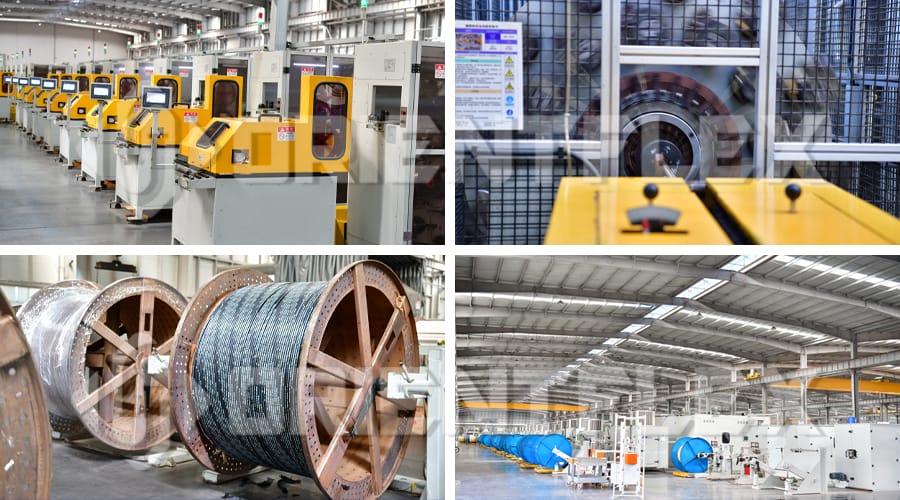
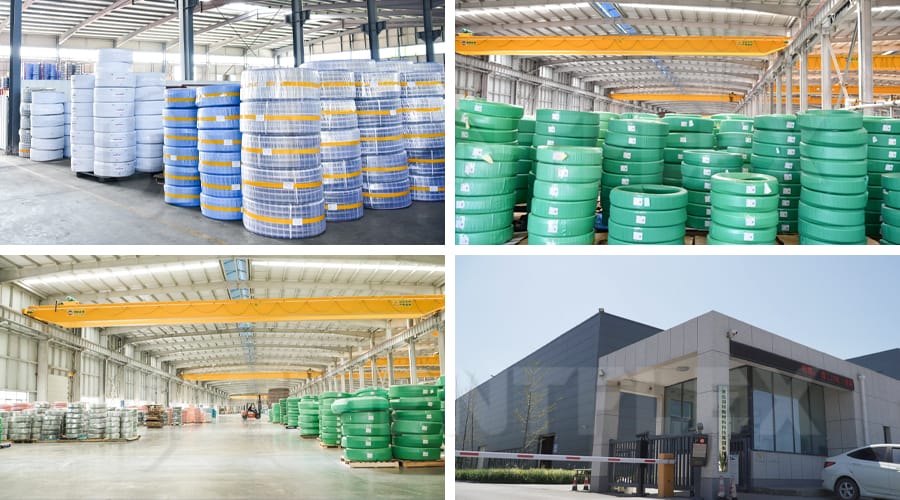
Hebei Orient Rubber & Plastic Co., Ltd. was established in 2010. We operate as a highly integrated manufacturer and exporter of technical hoses and connection fittings. Today, our catalog spans 5 primary series and over 150 unique product types, covering industrial hoses, thermoplastic hoses, hydraulic hoses, silicone hoses, and automotive cooling lines. After 13 years of strategic, high-speed development, we consolidated our structural footprint to become a group company in 2023.
Initially operating with just 10 core members in 2010, our workforce has expanded to over 180 skilled technicians, engineers, and support specialists. Continuous infrastructure investment and automated manufacturing lines have elevated our production capacity, enabling us to export over 100 shipping containers per month to clients globally.
Specialized global export experience delivering to 80+ countries.
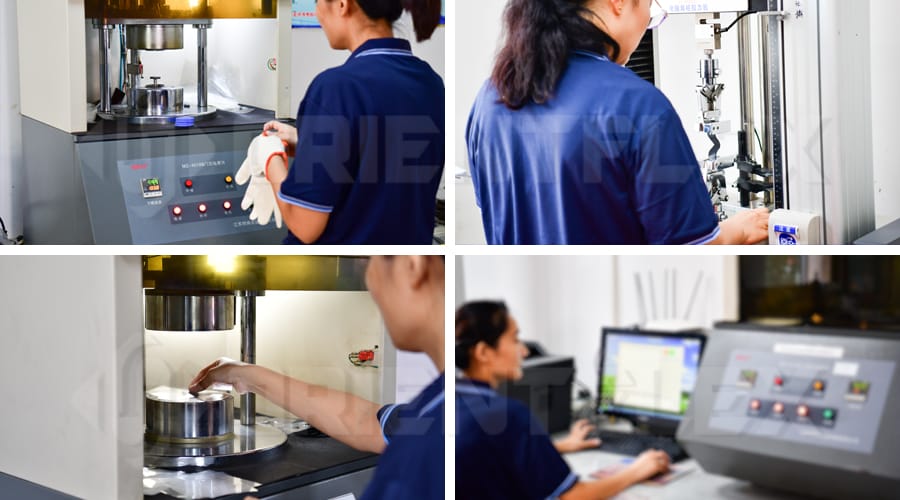
ISO 9001, ISO 14001, CE, FDA, and REACH compliant production.
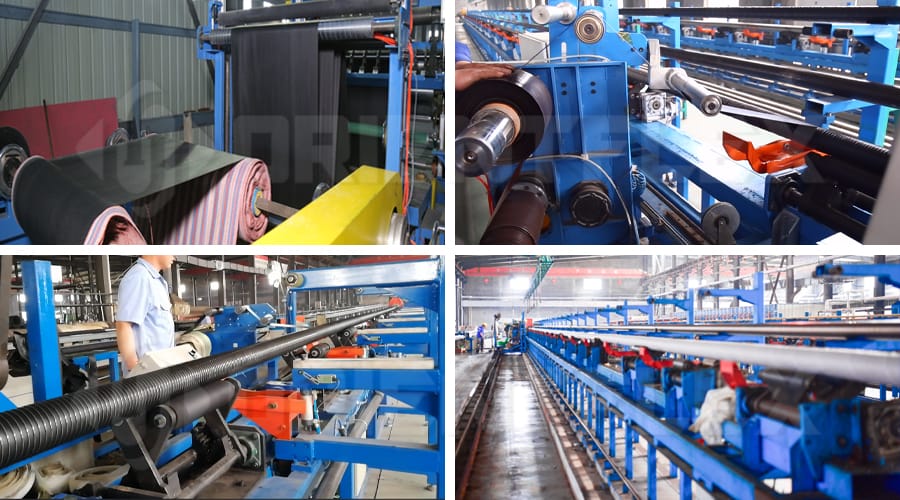
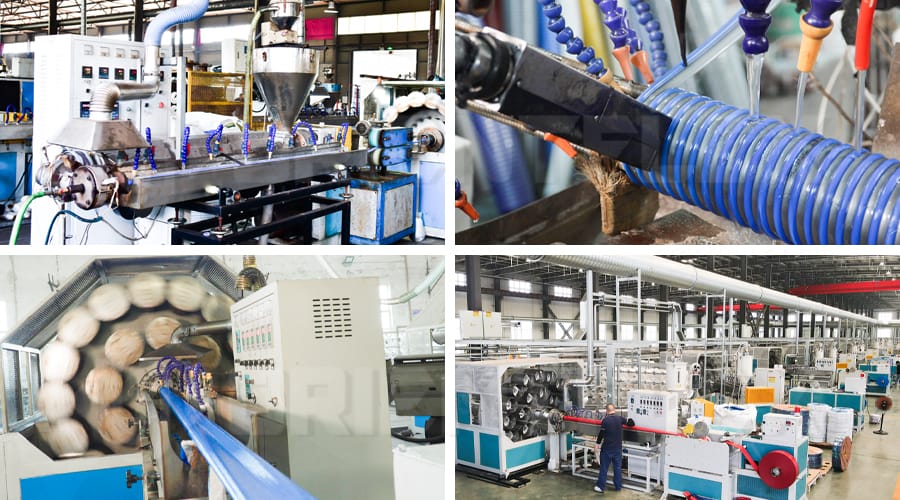
Custom compound formulation, design, extrusion, vulcanization, and shipping.
Financial stability, raw material reserves, and flexible payment terms.
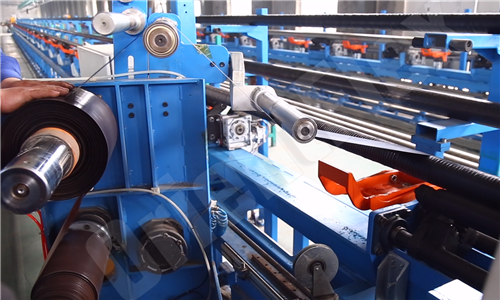
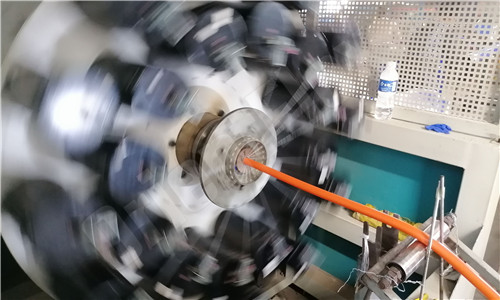
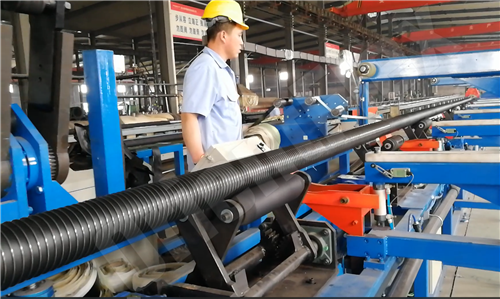
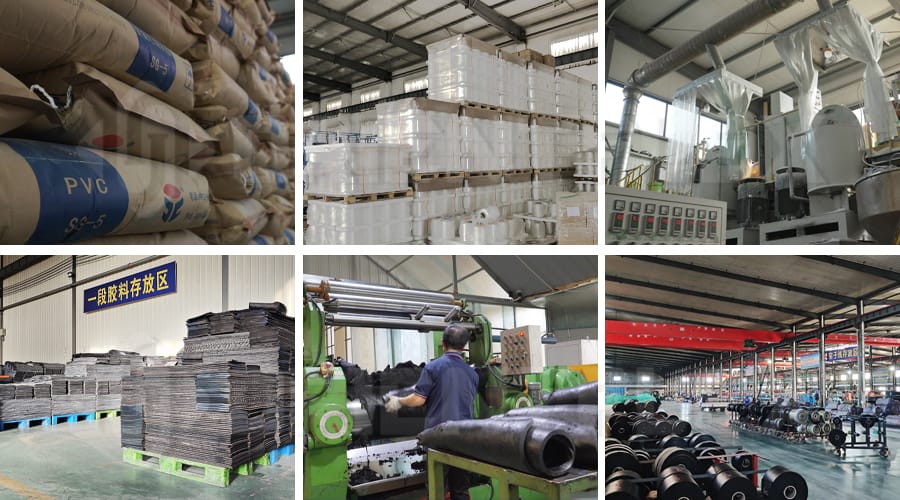
Behind-the-scenes preview of our extrusion lines, curing chambers, and historical progression.
Understanding where and why global industries deploy high-grade VMQ heater hoses.
Class 7 and 8 transport vehicles use blue silicone hoses to prevent road vibrations and high thermal spikes from cracking standard heater lines, ensuring million-mile engine cycles without failure.
Electric vehicles rely on complex thermal cooling loops to maintain stable temperatures within the battery packs. VMQ hoses deliver fluid isolation, fire-retardancy, and high reliability.
Continuous-duty power generators and commercial building climate control loops use VMQ lines to minimize maintenance downtimes caused by ozone or fluid degradation.
As a leading Chinese supplier, Hebei Orient Rubber & Plastic Co., Ltd. manages a resilient, highly optimized supply chain that addresses the main challenges faced by global industrial procurement managers:
How VMQ elastomer technology is evolving to meet cleaner, hotter, and smarter system demands.
As cooling system architectures evolve, the demand for higher efficiency is driving several key advancements in silicone hose technology:
Standard VMQ exhibits limited resistance to direct hydrocarbon contact, oil mist, and fuel vapors. The development of dual-layer co-extrusion hoses, featuring a highly resistant inner liner of Fluorosilicone (FVMQ) paired with an outer structural jacket of standard Blue VMQ, allows hoses to handle turbocharged air, blow-by gases, and cooling loops with high oil concentration.
Water-glycol diffusion through silicone walls can lead to slow coolant loss over time. Next-generation compounds integrate thin barrier membranes that reduce the molecular transmission rate of water vapor, keeping the fluid volume stable in sealed, zero-maintenance EV battery systems.
Our engineering team is actively testing these technologies to expand our global product catalog. We aim to ensure our international partners remain competitive as regulatory standards for emissions and vehicle thermal efficiency tighten.
Technical and logistics questions answered directly by our engineering and export departments.
Alternative industrial hoses, high-pressure hydraulic lines, and fluid-handling equipment.
 Orient Flex