Explore our highly engineered flexible hose line designed for harsh high-pressure applications and precision performance.
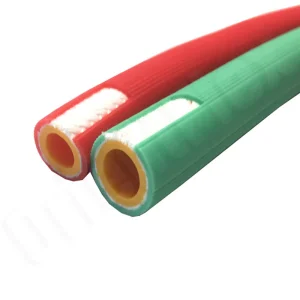
In modern precision engineering, shielding gases are paramount to securing high-integrity welds, particularly when dealing with non-ferrous metals like titanium, aluminum alloys, and stainless steels. Argon (Ar), being a noble, inert gas, protects the critical molten weld pool from oxidation, water vapor, and nitrogen infiltration. However, the integrity of this gas delivery chain is only as strong as the delivery mechanism itself: the Argon Hose. Low-quality or aging hoses allow micro-permeation of atmospheric gases, leading to localized contamination, porosity, structural embrittlement, and weld failures.
As a specialized supplier, our research highlights that gas purity at the nozzle must match or exceed 99.999% for applications like TIG (Tungsten Inert Gas) welding and plasma-arc cutting. Our custom-compounded elastomer systems are engineered with structural molecular barrier designs that completely restrict structural outgassing and micro-pore ingress, ensuring that your weld bead remains clean and free of slag inclusions.
Every argon hose that exits our state-of-the-art facilities features a three-ply composite architecture, carefully designed to balances safety, pressure limits, and structural flexibility:
Formulated with premium synthetic polymers (EPDM/NBR mixture or high-purity thermoplastic elastomers) that feature low permeability constants to inert gases, maintaining complete purity.
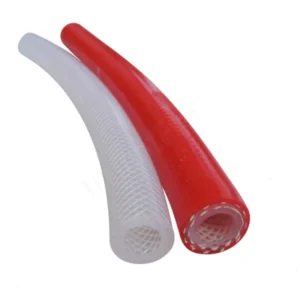
Braided with single or double-deck high-tensile polyester fiber threads to accommodate high-pressure limits and ensure structural integrity under sudden surges.
Wrapped in a flame-retardant, high-ozone, and UV-resistant cover (chloroprene or abrasion-resistant EPDM compound) that stands up to stray welding sparks, hot metal spatter, and floor abrasion.
| Hose ID (Inches/mm) | Working Pressure (Bar/PSI) | Burst Pressure (Bar/PSI) | Bending Radius (mm) | Temperature Range (°C) |
|---|---|---|---|---|
| 1/4" (6.3 mm) | 20 / 300 | 60 / 900 | 60 | -30 to +80 |
| 5/16" (8.0 mm) | 20 / 300 | 60 / 900 | 75 | -30 to +80 |
| 3/8" (10.0 mm) | 20 / 300 | 60 / 900 | 90 | -30 to +80 |
| 1/2" (12.7 mm) | 20 / 300 | 60 / 900 | 115 | -30 to +80 |
A premier industrial hose manufacturing conglomerate delivering engineered fluid solutions to global supply chains since 2010.
Hebei Orient Rubber & Plastic Co., Ltd. was established in 2010. We are a specialized manufacturer integrating the complete research, production, and global export of hoses and fluid fittings. Our extensive catalog spans 5 massive series and over 150 dedicated product types: Industrial Hoses, Thermoplastic Hoses, Hydraulic Hoses, Silicone Hoses, and Auto Hoses. Following 13 years of high-speed scale growth, we proudly restructured into a comprehensive group company in 2023.
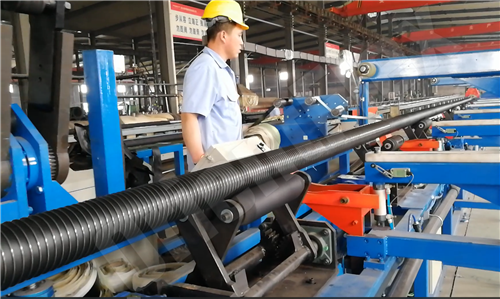
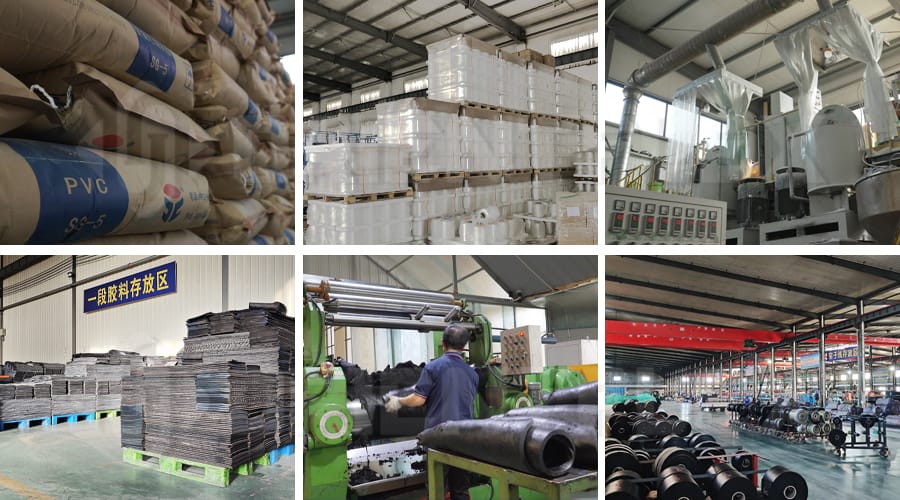
Established with just 10 core members, focus on initial manufacturing systems.
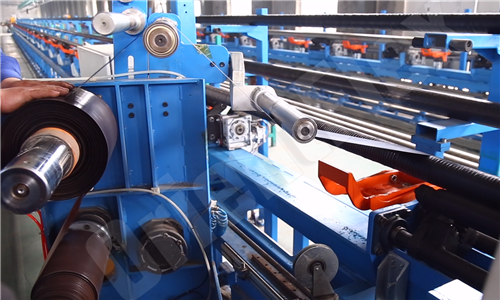
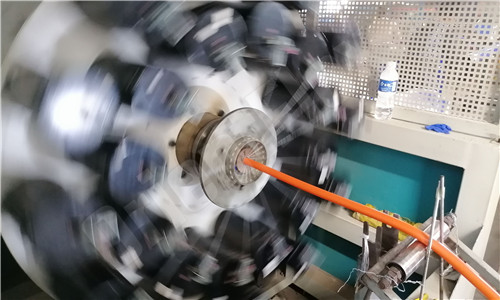
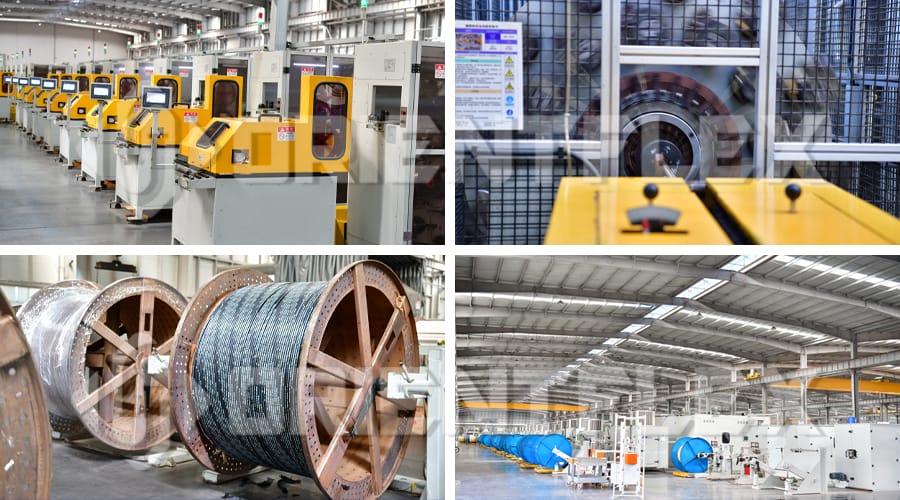
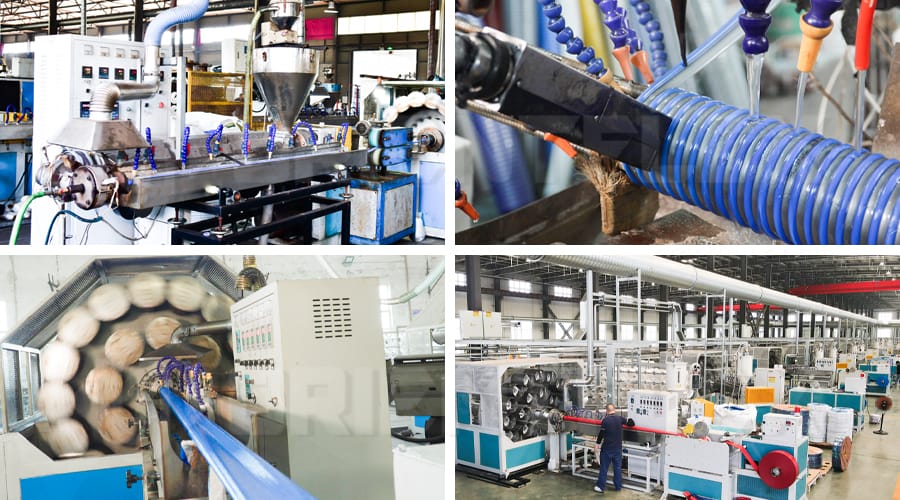
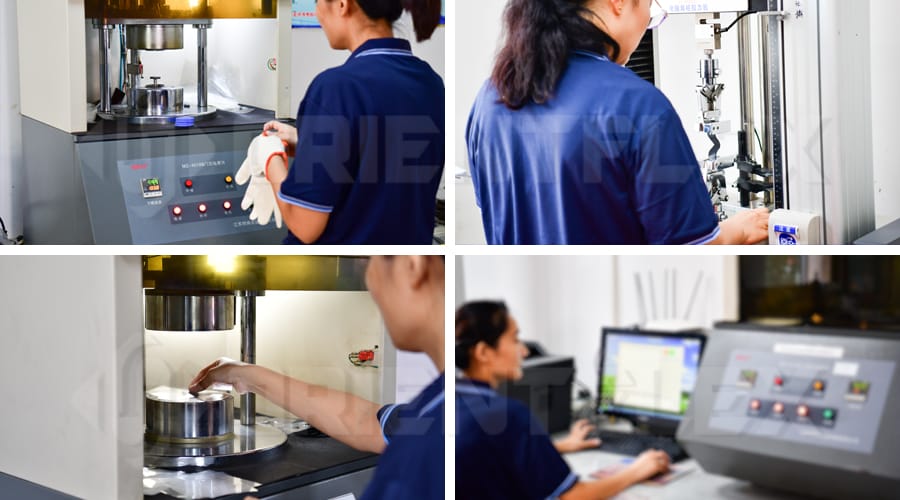
Upgraded to automated extrusion machines and expanded testing labs for high-pressure gas hoses.
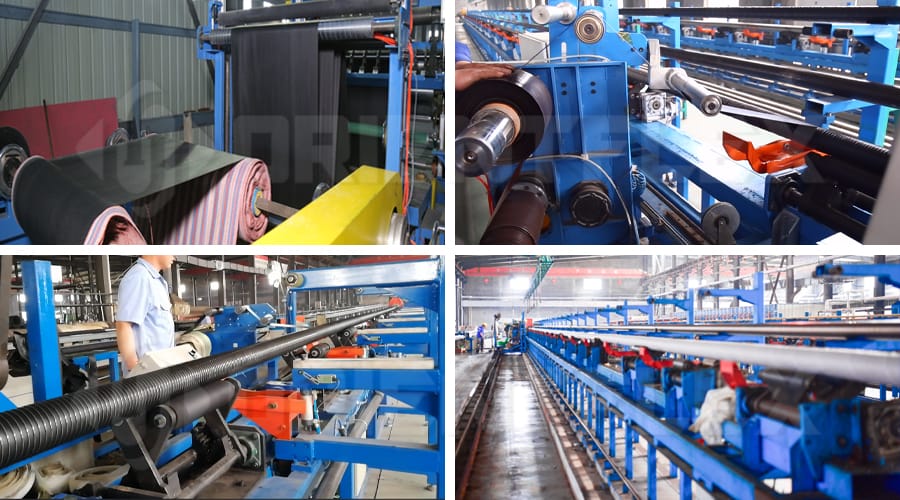
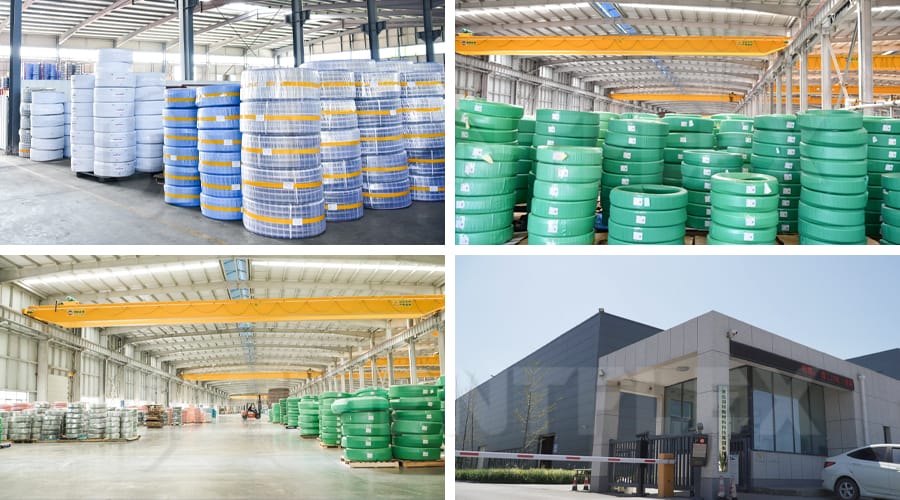
Restructured into Hebei Orient Flex Group Company; production capability reached 100 containers/month.
Why industrial partners across 80+ countries trust Orientflex for long-term hose supply chains.
Over a decade of direct global foreign trade, delivering customized and standard hoses to high-barrier markets in Europe, America, and Southeast Asia.
Fully certified in ISO 9001:2015, ISO 14001, CE, FDA, REACH, and RoHS standards. Strict conformity checks on every production run.
Comprehensive service cycle: from initial engineering and sample creation to custom fittings, validation tests, packaging design, and customs coordination.
Diversified raw material procurement paths and structured production lines shield operations from sudden material bottlenecks or transport disruptions.
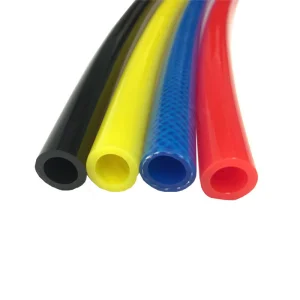
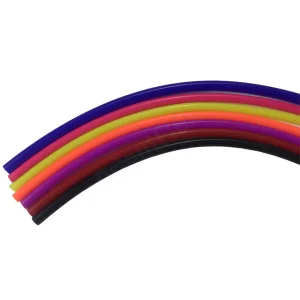
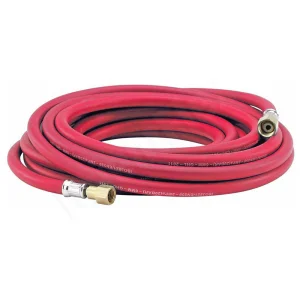
Hoses can be pre-fitted with custom quick-disconnect couplers, specialized BSP/NPT threads, or custom colors (standard green, blue, or red for dual-line kits).
Over 180 employees operating 30 high-speed braiding machines and 10 extrusion lines, maintaining stable 100-container monthly capabilities.
Argon gas acts as the critical layer of protection across varied industrial applications. Our specialized argon delivery systems are customized for diverse operational requirements:
Crucial for pressure vessel fabrication, wind tower fabrication, structural steel frames, and thick plate multi-pass MIG/TIG welding operations.
Used in high-frequency welding of aerospace-grade titanium ducts, turbine housings, and fuel lines, where oxygen contamination is strictly prohibited.
Flexible hoses with tight bend radii designed to fit inside robotic welding arms, supporting consistent gas flow under rapid robotic movements.
Specially cleaned, hydrocarbon-free inner tube systems suitable for cleanroom environments and delivery systems for inert analytical gases.
As industrial demands move toward intelligent factory systems and sustainable manufacturing, the humble hose is also evolving. Orientflex's active R&D pipeline targets two core developmental objectives:
First, the integration of leak-detection polymers. We are testing co-extruded inner layers that undergo visual color transformations or integrate micro-sensor nodes to warn operators about structural gas leaks before weld pores occur. This advancement minimizes gas loss and prevents welding repair expenses.
Second, we are focusing on bio-based green elastomers. By minimizing dependency on traditional carbon-heavy synthetic rubber, our engineering team is developing fully recyclable, halogen-free thermoplastic materials that maintain standard flexibility, pressure ratings, and ozone resistance while reducing manufacturing emissions by up to 35%.
Find answers to critical questions on selection, storage, safety parameters, and installation guidelines.
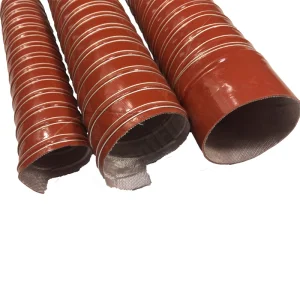
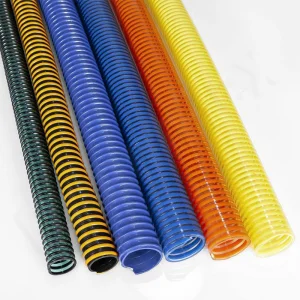
Broaden your procurement choices with our heavy-duty silicone, PVC suction, and extreme temperature ducting lines.
 Orient Flex