Global infrastructure projects rarely follow ideal conditions. A pipeline may cross rocky ground, humid coastlines, and remote communities. In these settings, Flexible Plastic Pipe offers practical advantages that rigid materials cannot always provide. Its low weight can simplify transport, handling, and field installation. Coils can arrive on compact trucks. Crews may require fewer lifting machines. Fewer joints can also reduce potential leak points, although installation quality remains decisive. This is not a universal solution.
Choosing the right pipe requires more than comparing purchase prices. Engineers examine pressure ratings, temperature limits, chemical compatibility, soil movement, ultraviolet exposure, and expected service life. They also review local codes, project specifications, and the manufacturer’s test evidence. Polyethylene and other plastics behave differently under heat, load, and long-term stress. A product suitable for irrigation may not suit drinking water, industrial fluids, or buried utility networks. Site surveys matter. A sharp stone beneath the trench can create a serious weakness over time. Field teams should use qualified fusion or connection procedures and document inspections carefully.
The strongest case for Flexible Plastic Pipe combines measured performance with realistic planning. Contractors often value faster deployment, corrosion resistance, and adaptability around uneven terrain. Asset owners value predictable maintenance and traceable quality records. Yet savings can disappear when storage, joining, or backfilling is poorly managed. No material is perfect. Global work also involves uncertain weather, changing suppliers, and uneven training. That deserves honest attention. By balancing engineering data with field experience, project leaders can decide whether flexible plastic systems support safety, durability, and responsible long-term investment.
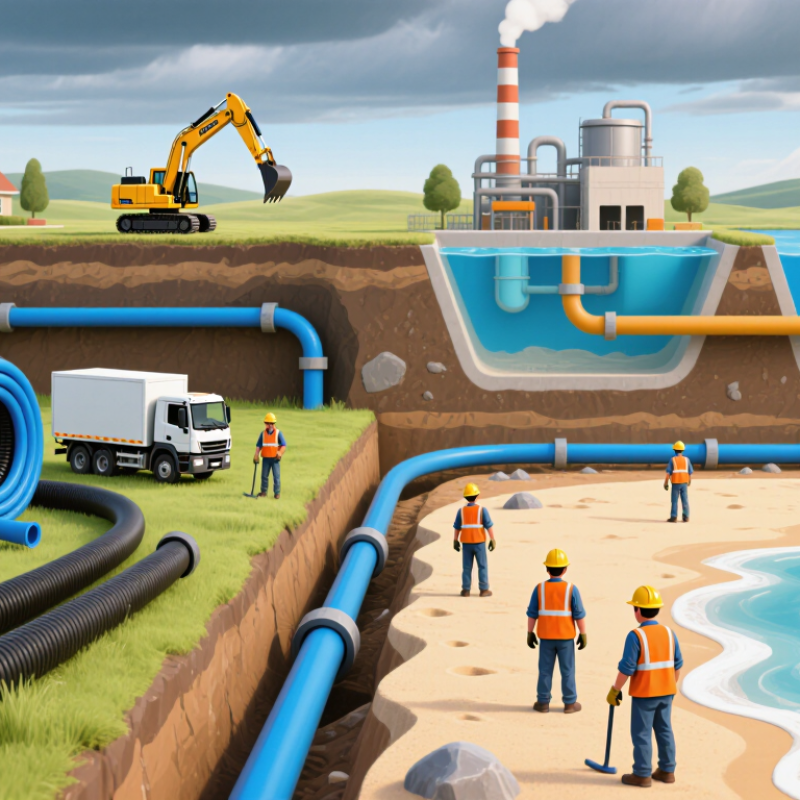
Flexible plastic pipe is a polymer-based pipe designed to bend without cracking during transport and installation. Common materials include polyethylene and flexible PVC, depending on pressure, temperature, and chemical requirements. Unlike rigid metal pipe, it can arrive in coils or long sections, reducing the number of joints in a pipeline.
It bends easily. Not endlessly. The allowable bend radius must follow the manufacturer’s technical data and project specifications. On global construction sites, crews often uncoil the pipe beside a trench, connect fewer fittings, and place it on a prepared bedding layer. This can simplify work across uneven ground, remote areas, and changing weather conditions.
Reliable performance depends on more than material choice. Engineers should review pressure ratings, wall thickness, temperature limits, UV exposure, soil movement, and fluid compatibility. Connection methods also matter because a strong pipe can still fail at a poorly prepared joint. Independent testing and compliance with recognized regional standards support safer procurement and installation.
Field inspections frequently reveal avoidable problems, such as sharp stones beneath the pipe or excessive pulling during placement. These details are easy to overlook. Flexible pipe is lighter and adaptable, but it is not damage-proof. Designers may also need special protection near roads, foundations, or areas with heavy traffic. I would not treat flexibility as a universal advantage; the right specification depends on the project’s actual conditions.
| Pipe Type | Typical Flexibility | Common Operating Temperature Range | Typical Applications | Key Project Benefits | Important Design Considerations |
|---|---|---|---|---|---|
| HDPE High-density polyethylene |
High; can be supplied in coils for smaller diameters and installed with controlled bending radii. | Approximately −40°C to 60°C for many pressure-pipe applications; rating depends on the standard and operating conditions. | Water transmission, wastewater, gas distribution, irrigation, marine outfalls, and trenchless installations. | Corrosion resistance, low mass, strong resistance to soil movement, and heat-fusion joints that can be leak-resistant. | Pressure capacity reduces as temperature increases; design must consider SDR, surge, installation radius, and ultraviolet exposure. |
| MDPE Medium-density polyethylene |
High; commonly used in coiled service and distribution lines. | Often used near −20°C to 40°C in gas and utility applications, subject to the applicable standard and design rating. | Gas services, water services, irrigation, and low-to-medium pressure utility networks. | Easy handling, fewer fittings, reduced excavation time, and good resistance to ground settlement. | Use only within the pressure, temperature, and gas or water compatibility limits specified by the governing code. |
| PEX Cross-linked polyethylene |
Very high for small and medium diameters; commonly supplied in coils. | Common plumbing ratings are approximately 0°C to 93°C, with pressure limits varying by temperature and standard. | Potable water, radiant heating, hydronic systems, and building services. | Excellent flexibility, freeze-expansion tolerance, and fewer joints than many rigid piping systems. | Requires protection from prolonged direct ultraviolet exposure; fittings and installation methods must match the applicable plumbing standard. |
| PP-R / PP-RCT Polypropylene pressure pipe |
Moderate; generally less flexible than polyethylene and often installed in straight lengths. | Commonly selected for hot and cold water systems; allowable temperature and pressure depend on the pipe class and design. | Building water supply, industrial fluids, compressed air, and heating systems. | Corrosion resistance, smooth internal surfaces, and heat-fused joints without metal corrosion. | Thermal expansion, support spacing, and long-term temperature exposure must be included in the design. |
| PVC-O Oriented polyvinyl chloride |
Moderate to high compared with conventional rigid PVC; normally supplied in straight pipe lengths. | Typically selected for ambient-temperature pressure-water service; temperature derating is required for higher temperatures. | Municipal water transmission, irrigation, and pressure distribution networks. | High hydraulic efficiency, low weight compared with many metallic alternatives, and good resistance to corrosion and fatigue. | Follow the product standard for allowable deflection, joining, handling, and temperature reduction factors. |
It is a polymer-based pipe that bends during transport and installation. Common materials include polyethylene and flexible PVC. It can arrive in coils or long sections. Not endlessly.
Crews can uncoil it beside a trench and follow gentle ground changes. Its lower weight may reduce lifting equipment and handling time. It also fits narrow roads, remote locations, and limited storage areas.
Usually, yes. Long coils can reduce fittings and potential leak points. Heat-fused joints may form a continuous connection with the pipe wall. Fewer joints help. Poor preparation can still cause failure.
They should review pressure ratings, wall thickness, and temperature limits. UV exposure, soil movement, and fluid compatibility also matter. The pipe must suit actual project conditions, not only general expectations.
Workers should place it on prepared bedding without sharp stones underneath. They must follow the required bend radius and avoid excessive pulling. Fusion work needs trained workers, suitable temperatures, and clear quality records.
It is adaptable, but not damage-proof. Sharp rocks, heavy traffic, foundations, and rough handling may require protection. A neat installation plan can still fail in muddy or unstable ground.
A long coil can fit on one truck more easily than many rigid sections. It may reduce storage space, lifting work, and transport complexity. This advantage depends on coil size, site access, and handling equipment.
A smooth internal surface may reduce deposits and support efficient flow. Corrosion resistance limits one common failure mechanism. However, poor bedding or rushed joint work can erase expected savings. That deserves honest review.
No. The correct choice depends on pressure, temperature, soil, traffic, and installation quality. Rigid pipe may suit some exposed or heavily protected locations better. Flexibility is useful, but it is not a universal advantage.
Flexible Plastic Pipe is a practical solution for global infrastructure, water management, irrigation, industrial, and utility projects. Made from durable polymer materials, it combines light weight, flexibility, corrosion resistance, and reliable performance under changing environmental conditions. Its ability to bend around obstacles and accommodate ground movement can simplify project design while reducing the need for complex fittings and connections. Different materials and wall structures can be selected according to pressure, temperature, chemical exposure, fluid type, and service life requirements.
For international projects, flexible plastic pipe also offers important logistical and operational benefits. Its lower weight can reduce transportation demands, while convenient handling and efficient joining methods may shorten installation time and labor requirements. Proper storage, inspection, and routine maintenance help preserve long-term performance in diverse climates. Selecting the right pipe requires careful evaluation of technical standards, local regulations, project conditions, connection systems, and expected operating loads, ensuring a safe, efficient, and dependable piping solution across different regions.

 Orient Flex