Top Hydraulic Hose Pipe Suppliers for Global Buyers?

Time:2026-08-18 Author:Henry
0%

In the realm of hydraulic systems, the significance of quality Hydraulic Hose Pipe cannot be overstated. Experts believe that the right supplier can make or break a project. James Thornton, a renowned hydraulic engineer, once stated, “The reliability of hydraulic systems hinges on the quality of the hoses used.” This highlights the critical nature of selecting the best suppliers.

Global buyers face a plethora of options when sourcing Hydraulic Hose Pipe. Factors such as durability, flexibility, and compliance with international standards should guide their choices. Reliable suppliers often have a proven history and positive reviews, which are crucial indicators of their expertise. However, with so many choices available, it’s easy to feel overwhelmed. The distinction between quality and subpar products may not always be clear.

Furthermore, while leading suppliers showcase advanced technology and materials, some may fall short in customer service or timely delivery. It’s essential for buyers to reflect on past experiences and seek suppliers that not only provide excellent products but also value long-term relationships. In the ever-evolving hydraulic industry, vigilance and informed decisions are foundational to success.
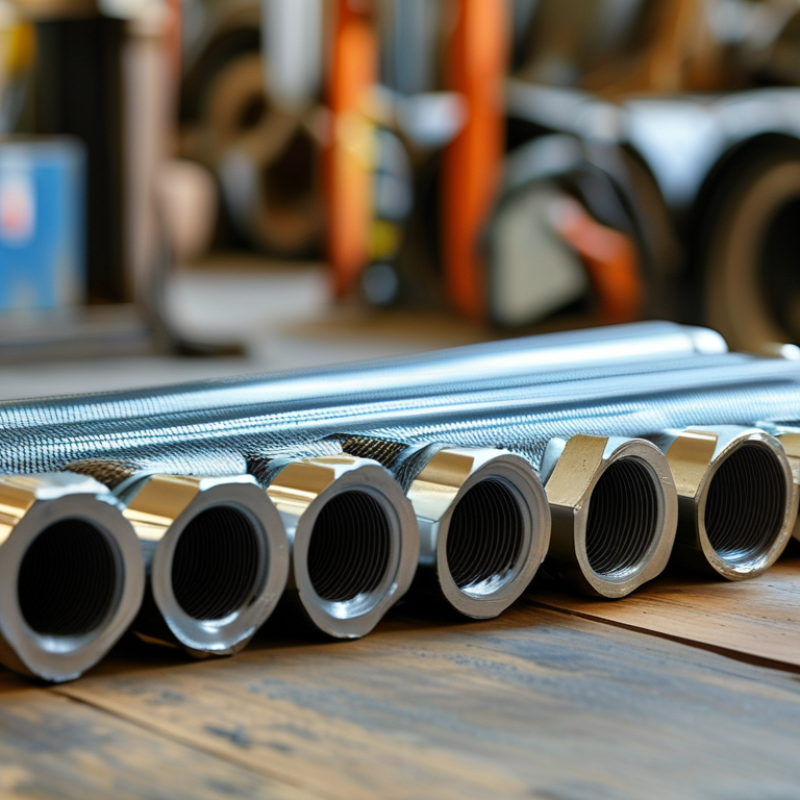
Top Hydraulic Hose Pipe Suppliers for Global Buyers?

Top Global Regions for Hydraulic Hose Pipe Production

The hydraulic hose pipe production landscape is diverse and dynamic, with several regions leading in manufacturing. Asia-Pacific emerged as the largest region for hydraulic hose production, accounting for over 40% of the global market share. Countries like China and India have significantly expanded their manufacturing capacities. In fact, the demand in these nations has accelerated growth rates by around 7% annually, according to recent industry reports.

North America also plays a crucial role, primarily due to its technological advancements and strict quality standards. The region has seen a steady growth rate of approximately 5% in hydraulic hose pipe production. This is influenced by the automotive and construction sectors, where high-performance hoses are essential. Furthermore, Europe is not to be overlooked, possessing a mature market with innovative designs, though its growth rate has slowed to about 4% due to increased competition from Asia.

While these regions excel in production, it's important to recognize challenges. Quality inconsistencies can arise, especially with rising manufacturing speeds. Moreover, supply chain disruptions have been noted, affecting the timely delivery of products. Buyers must weigh these factors when sourcing hydraulic hoses, ensuring that they select reliable suppliers who adhere to safety and quality standards.

Key Factors Influencing Hydraulic Hose Pipe Quality and Performance

Hydraulic hose pipes are crucial in various industrial applications. Their quality directly affects machinery performance. Many factors influence their durability and efficiency. Material selection is key. A blend of rubber, thermoplastic, or other polymers often determines the hose's longevity. The American Society for Testing and Materials (ASTM) provides standards for these materials, ensuring they meet industry requirements.

Pressure ratings are another critical element. According to the International Standards Organization (ISO), a hydraulic hose must withstand extreme conditions. For example, hoses rated for 6000 psi guarantee reliability in heavy-duty use. Additionally, temperature range affects performance. Hoses should maintain flexibility in cold conditions yet resist heat in high-temperature environments. Choosing a pipe that meets these specifications is essential for safety.

Lastly, production techniques impact quality. Advanced manufacturing processes, such as spiral winding, enhance strength. However, not all suppliers adhere to these methods. A lack of consistency can lead to failures. Buyers must demand transparent production practices to ensure quality. Always consider certification from recognized bodies as a sign of reliability in hydraulic hose supply.

Market Trends Shaping the Hydraulic Hose Industry in 2023

The hydraulic hose industry faces significant shifts in 2023. Market analysts project a compound annual growth rate (CAGR) of 6.2% through the next five years. This growth is driven by rising demand for machinery in construction and agricultural sectors. Hydraulic hoses are essential for transferring fluids under pressure across these applications.

Sustainability trends are impacting the industry too. Many suppliers are now focusing on eco-friendly materials. A report highlighted that 35% of buyers prefer sustainable options. Reduced environmental impact is becoming a primary decision factor for procurement. Manufacturers must adapt to remain competitive.

Technological advancements are another key trend. Innovations in hose materials and manufacturing processes lead to better performance and longevity. A recent study indicated that improved durability can extend the lifespan of hydraulic hoses by up to 30%. Despite these advancements, issues with compatibility and performance still arise, requiring continual evaluation and adaptation by suppliers.

Leading Suppliers and Their Market Shares in the Hydraulic Hose Sector

The hydraulic hose market features several leading suppliers that shape the industry landscape. These companies provide essential components for various sectors, including construction, agriculture, and manufacturing. Their market shares indicate the competitive dynamics and innovations driving the industry. Understanding these leaders helps businesses make informed purchasing decisions.

Among the notable suppliers, some dominate due to their extensive distribution networks and product diversity. They offer a wide range of hydraulic hoses, fittings, and accessories. However, smaller suppliers are also emerging, challenging the status quo. This competition can lead to better pricing and innovative solutions, which benefit global buyers. It’s crucial to analyze both established and rising suppliers to gauge their market impact.

Reliability and performance are key factors buyers consider. Technical support and quality assurance play vital roles in supplier selection. Not all suppliers meet the same standards, leading to varying levels of customer satisfaction. Buyers must conduct thorough assessments to avoid potential pitfalls in sourcing. Engaging with suppliers who demonstrate consistent performance is advisable for long-term success.

Innovations in Hydraulic Hose Technology and Their Industry Impact

Recent innovations in hydraulic hose technology are transforming the industry. New materials and designs have greatly improved durability and flexibility. Manufacturers are focusing on enhanced resistance to abrasion, heat, and chemicals. This is allowing hoses to perform better in extreme conditions, extending their lifespan.

Tip: Always assess the environment in which the hoses will be used. Matching the hose material to the specific conditions can prevent premature failures.

Smart technologies are also making their way into hydraulic systems. Sensors embedded in hoses can monitor pressure and temperature in real time. This data can help detect potential failures before they occur, minimizing downtime. However, these advances can lead to complexity. Understanding the technology behind these sensors is crucial for effective maintenance.

Tip: Invest in training for your team. Knowledge of new technologies can improve safety and efficiency.

While these innovations bring benefits, they also introduce challenges. The integration of advanced technologies requires careful consideration of costs and scalability. Companies need to weigh the benefits against their operational capabilities. A thoughtful approach can lead to significant enhancements in performance and reliability.

Hydraulic Hose Pipe Suppliers' Market Share (2023)

FAQS

: What materials affect the quality of hydraulic hoses?

: A mix of rubber, thermoplastic, or polymers primarily influences durability and longevity.

Why are pressure ratings important?

High pressure ratings ensure hoses can withstand extreme conditions, enhancing reliability for heavy-duty use.

How does temperature affect hydraulic hoses?

Hoses must remain flexible in cold and resist heat in high temperatures for optimal performance.

What production techniques enhance hose quality?

Advanced methods like spiral winding increase strength. Consistency in production is vital.

How do new materials improve hydraulic hoses?

Innovations improve durability and flexibility, enhancing resistance to abrasion and chemicals.

What role do smart technologies play in hydraulic hoses?

Embedded sensors monitor pressure and temperature, allowing for early detection of potential failures.

What is a key consideration when using hydraulic hoses?

Assessing the environment ensures the hose material matches specific conditions, preventing failures.

How can companies manage costs with new technologies?

Weighing the benefits and scalability is essential for effective integration of new systems.

Why is training important for staff?

Understanding new technologies improves safety and operational efficiency within hydraulic systems.

What should buyers demand from suppliers?

Transparency in production practices and certification from recognized bodies ensures reliability and quality.

Conclusion

The article "Top Hydraulic Hose Pipe Suppliers for Global Buyers?" delves into the crucial aspects of the hydraulic hose pipe industry, emphasizing key global regions that lead in production. It outlines the factors that significantly influence the quality and performance of hydraulic hose pipes, such as material selection and manufacturing techniques. Furthermore, the article highlights the prevailing market trends in 2023, which are shaping the industry's landscape and driving demand.

Additionally, the piece discusses the leading suppliers and their respective market shares within the hydraulic hose sector, providing insights into competitive dynamics. Innovations in hydraulic hose technology are also examined, showcasing how advancements are revolutionizing the industry and enhancing operational efficiency. Overall, this summary underscores the importance of understanding both the market environment and the technological progress surrounding hydraulic hose pipes for informed purchasing decisions.


Henry

Henry

Henry is a dedicated marketing professional with a profound expertise in the company's offerings. With years of experience in the industry, he possesses an impressive understanding of the market dynamics and consumer behaviors that drive success. Henry is committed to sharing his insights through......