Hose sleeves play a crucial role in industrial applications, providing protective layers to extend the lifespan of hoses. According to a recent industry report, about 30% of hose failures are due to environmental factors, such as abrasion and extreme temperatures. The right hose sleeve can significantly reduce these risks, enhancing both performance and safety.
In the market, several types of hose sleeves are available, each designed for specific conditions. For instance, sleeves made from high-temperature materials can withstand temperatures up to 1200°F. However, not all users are aware of their options. A lack of information can lead to improper selection, which undermines hose performance.
As the demand for durable and efficient equipment increases, the need for quality hose sleeves becomes evident. Industry professionals emphasize that investing in the right sleeve is not merely a protection strategy; it is a performance enhancer. The right choice can save companies money and downtime. Therefore, thorough research is essential to select the most suitable hose sleeve for each application.
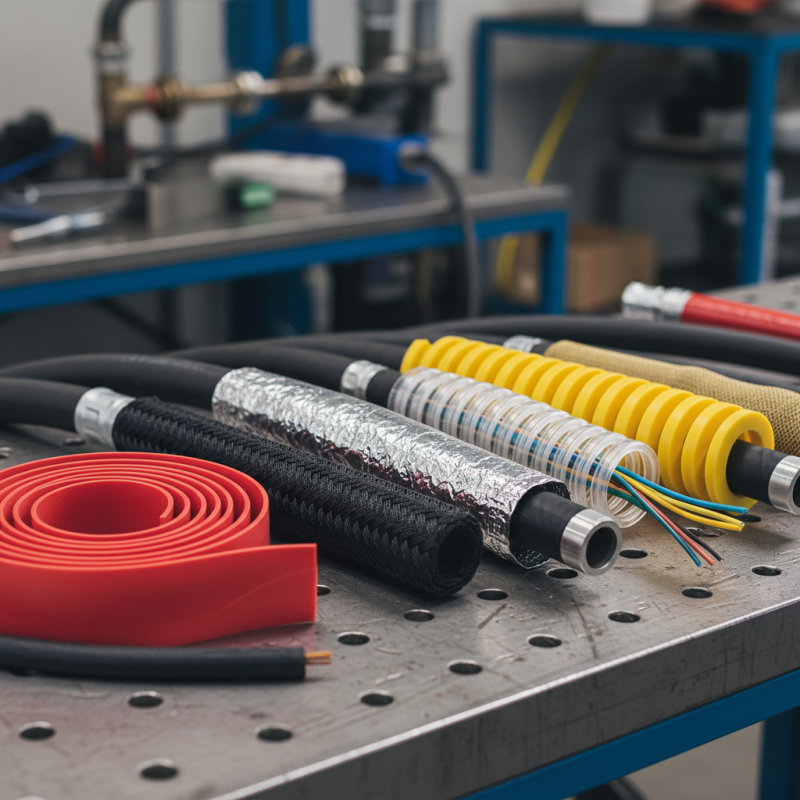
Understanding the Importance of Hose Sleeves in Industrial Applications
Hose sleeves are crucial in industrial applications. They provide protection against abrasion, heat, and chemicals. Without proper sleeves, hoses can become damaged quickly. A damaged hose can lead to leaks or breakage. The consequences can be costly and dangerous. Fitting the right sleeve type is essential for maintaining efficiency and safety.
Selecting a hose sleeve requires knowledge and experience. Different materials offer varied levels of protection. For example, some might withstand high temperatures, while others resist chemical exposure. The sleeve’s thickness also affects durability. Users must assess the working environment and specific needs. It can be easy to overlook these details, but doing so can lead to significant issues.
Beyond protection, hose sleeves can enhance performance. A quality sleeve helps improve the longevity of the hose. However, many users underestimate the impact of a well-chosen sleeve. They may stick to outdated practices or ignore newer options. Regularly reviewing sleeve types could prevent unnecessary failures. Knowledge is power, and in the world of industrial applications, it saves money and time.
Common Materials Used for Hose Sleeves and Their Benefits
Hose sleeves play a critical role in protecting hoses from wear, abrasion, and environmental hazards. Common materials for these sleeves include nylon, polyester, and neoprene. Each material offers unique benefits that enhance the performance of hoses in various applications.
Nylon is well-regarded for its durability and resistance to chemicals. According to industry reports, it can extend the life of hoses by up to 300%, especially in high-pressure environments. Polyester, on the other hand, provides excellent UV resistance. This makes it suitable for outdoor applications. Additionally, it is lightweight yet strong enough to handle heavy loads. A recent study highlights that using polyester sleeves can reduce hose damage by as much as 50%.
Neoprene offers flexibility and excellent heat resistance, making it ideal for extreme temperatures. Its use can prevent hoses from hardening and cracking. However, neoprene may not be the best choice for environments with high chemical exposure. Each material has its strengths and limitations, which underscores the importance of careful selection for specific applications. Understanding these nuances can significantly improve hose performance and longevity.
Key Features to Look for in Effective Hose Sleeves
When selecting effective hose sleeves, key features make a significant difference in performance.
Durability is one of the most crucial characteristics.
The sleeve material must withstand wear, abrasion, and exposure to various elements.
Nylon and polyester options often provide excellent longevity.
Their resistance to UV radiation is essential for outdoor applications.
Users should consider the environment where the hose will be used.
Another important feature is flexibility. A hose sleeve should fit snugly around the hose without restricting its movement.
This ensures the hose can bend and flex as needed. Sleeves with a lightweight design can offer this flexibility without compromising protection.
Lastly, ease of installation can influence user satisfaction.
A quality sleeve should be simple to put on and remove. Complicated installations can lead to user frustration.
Finding an efficient balance between protection and accessibility is vital. However, one might occasionally find that the sleeve does not provide the expected benefits after usage.
This calls for ongoing evaluation and adjustments. Regularly checking the wear and tear can help refine future choices.
Popular Types of Hose Sleeves for Enhanced Protection and Performance
When selecting hose sleeves, various options can enhance both protection and performance. One popular type is the fabric sleeve. It provides excellent abrasion resistance and is lightweight. These sleeves come in various colors, making them easy to differentiate between tasks or environments. However, they may not be suitable for high-temperature applications.
Another effective choice includes neoprene sleeves. They are known for their durability and resistance to chemicals. Neoprene sleeves are often used in industrial settings where hoses are subjected to harsh conditions. Keep in mind that while they offer substantial protection, they can be bulkier than other options, which might present challenges in tight spaces.
Tip: Always consider the environment where the hoses will be used. High humidity or extreme temperatures could affect sleeve performance.
For outdoor applications, consider using
reflective or
UV-resistant sleeves. These offer protection against sun damage and can minimize heat buildup. However, remember that not all sleeves are created equal. It's essential to assess the specific requirements for your hoses. A
mismatched sleeve may hinder rather than help.
Tip: Test different sleeve types in small sections before full implementation. This allows you to determine what works best without overcommitting.
Maintenance Tips for Longevity and Efficiency of Hose Sleeves
Hose sleeves are essential for protecting hoses in various environments. Proper maintenance can enhance their lifespan significantly. Regular visual inspections are vital. Check for wear and tear, as this can lead to premature failure. Small tears may seem minor but can compromise functionality. Addressing these issues early can save time and resources.
Cleaning is another key aspect of maintenance. Use mild soap and water to remove dirt and debris. Harsh chemicals can damage the sleeve material. Rinse thoroughly to avoid residue buildup. Additionally, ensure the sleeves are dry before storage. Moisture can lead to mold growth and material degradation.
It’s also beneficial to store hose sleeves properly. Avoid direct sunlight and extreme temperatures. Using designated storage bins can prevent unnecessary friction. Regular maintenance practices may seem tedious, but they are crucial for long-term efficiency. Reflecting on these habits can lead to better performance and reliability.
Prioritize these tips, as neglect can result in costly replacements.
FAQS
: Hose sleeves protect against abrasion, heat, and chemicals. They are vital for maintaining hose integrity.
A damaged hose can lead to leaks or breakage, resulting in costly and dangerous consequences.
Users must consider materials, thickness, and the working environment. Each aspect affects durability and performance.
Common materials include nylon, polyester, and neoprene. Each offers unique benefits for different applications.
Nylon is durable and chemical-resistant, extending hose life by up to 300% in high-pressure environments.
Polyester provides excellent UV resistance and is lightweight, making it strong enough for heavy loads outdoors.
While neoprene offers heat resistance, it may not be suitable for environments with high chemical exposure.
Fabric sleeves are lightweight and offer abrasion resistance but may not handle high temperatures well.
Test different sleeve types in small sections first to find the most suitable option for your needs.
Yes, selecting the wrong sleeve can hinder hose performance, leading to preventable failures and increased costs.
Conclusion
Hose sleeves play a crucial role in enhancing the performance and safety of hoses in industrial applications. They provide essential protection against physical damage, abrasion, and environmental factors, ensuring that hoses maintain their integrity over time. Various materials, such as rubber, nylon, and fabric blends, are commonly used for hose sleeves, each offering distinct benefits, including flexibility, durability, and resistance to heat and chemicals.
When selecting an effective hose sleeve, it’s important to consider key features such as thickness, stretch, and compatibility with specific hoses. Popular types of hose sleeves include protective wraps, braided sleeves, and spiral guards, each designed to cater to different operational needs. To maximize the longevity and efficiency of hose sleeves, regular maintenance is essential, including routine inspections and proper cleaning methods. By understanding these aspects, users can ensure optimal protection and performance of their hoses in demanding environments.

 Orient Flex