PVC hose is a versatile product widely used in various industries. Made from polyvinyl chloride, this type of hose is known for its durability and flexibility. Its clear construction allows users to easily monitor the flow of liquids and gases. PVC hose finds applications in agriculture, construction, and manufacturing.
In agriculture, it is utilized for irrigation and water delivery. The lightweight design makes it easy to handle. In construction, PVC hose may be used for various tasks, including drainage and water transfer. However, it is crucial to select the right type of PVC hose for each application. There are different grades available, and not all can withstand harsh conditions.
While PVC hose offers many advantages, there are considerations for its use. Over time, exposure to UV light can cause degradation. Additionally, improper storage can lead to kinks and damage. Users should assess their environment to ensure proper usage. Understanding these details will enable end-users to select the best PVC hose for their needs.
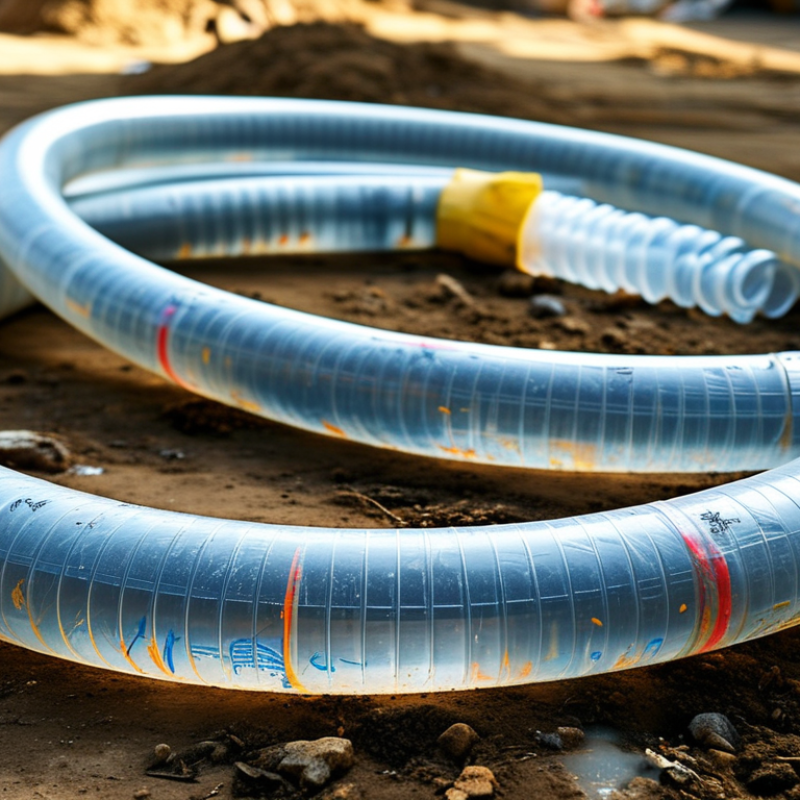
What is PVC Hose? A Comprehensive Overview
PVC hose, known for its versatility, has become a staple in various industries. Made from polyvinyl chloride, it offers durability and flexibility. Its lightweight nature allows for easy handling. According to a 2022 industry report, the global PVC hose market is expected to reach $2.5 billion by 2025. This growth highlights its significance in applications ranging from agriculture to construction.
The manufacturing process of PVC hoses is energy-efficient. They can withstand high pressure, making them ideal for conveying liquids and gases. In agriculture, for example, PVC hoses support irrigation systems. Their resistance to chemicals ensures longevity in industrial settings. However, it's crucial to note that not all PVC hoses are designed for the same temperatures or pressures. Hence, proper selection is key.
When choosing a PVC hose, consider the specific application. Look for compatibility with chemicals and temperatures. Regularly inspect the hose for wear and tear to avoid unexpected failures. Proper maintenance can significantly extend its lifespan. The right choice ensures safety and efficiency in operations, as incorrect usage may lead to leaks or bursts.
Usage of PVC Hose in Various Industries
This bar chart illustrates the percentage usage of PVC hoses across different industries, highlighting their significance in varied applications from agriculture to automotive sectors.
Key Properties of PVC Hose That Make It Industry-Ready
PVC hose, a vital component in numerous industries, is renowned for its unique properties that enhance its utility. The material is resistant to chemicals, UV rays, and abrasion. This makes it suitable for outdoor and industrial applications. According to a report by the Freedonia Group, the demand for PVC hoses is projected to grow by 4.2% annually until 2025. Industries rely on this hose for fluid transfer, irrigation, and construction.
Key characteristics set PVC hose apart. Its flexibility allows for easy handling and installation. This adaptability is crucial in tight spaces where rigid hoses would fail. Furthermore, the transparency of some PVC hoses enables users to monitor flow easily. A study from the National Association of Hose and Accessories Distribution highlights that clear hoses are favored in food and beverage sectors for hygienic purposes. However, some industries face challenges with long-term heat exposure, which can compromise flexibility and durability over time.
Ultimately, while PVC hoses are widely appreciated, they are not without limitations. Companies must consider operating conditions, such as temperature fluctuations, which can affect performance. The right choice depends on a thorough assessment of specific industrial needs. Balancing durability with environmental factors is essential for optimal application.
Common Applications of PVC Hose Across Various Industries
PVC hoses are widely utilized in various industries due to their versatility and durability. In agriculture, they are essential for irrigation systems. A report from the International Irrigation Association indicates that PVC hoses can reduce water consumption by as much as 30%. This efficiency presents a significant advantage for farmers looking to optimize water usage.
In construction, PVC hoses play a crucial role in transferring fluids and materials. Their lightweight nature makes them easy to handle. According to the American Society of Civil Engineers, the construction industry relies on these hoses for safe and efficient construction processes. PVC hoses contribute to the effective management of concrete and slurry mixtures.
Food processing is another area where PVC hoses excel. They meet stringent health standards to ensure safe food transportation. The Food and Drug Administration has guidelines that govern the use of materials in food applications. While PVC hoses can be effective, concerns arise regarding their environmental impact during disposal. The recycling efforts for PVC are still evolving, and many facilities face challenges in handling this material responsibly.
What is PVC Hose and How is it Used in Industries? - Common Applications of PVC Hose Across Various Industries
| Industry |
Application |
Characteristics |
| Agriculture |
Irrigation Systems |
Flexible, Lightweight, UV Resistant |
| Construction |
Concrete Placement |
High Pressure, Durable |
| Food & Beverage |
Food Processing |
Non-toxic, Chemical Resistant |
| Manufacturing |
Gaseous Transport |
Lightweight, Low Cost |
| Mining |
Water Management |
Abrasion Resistant, High Strength |
| Chemical |
Chemical Transfer |
Corrosion Resistant, Versatile |
Market Trends: Growth and Demand for PVC Hose Products
The demand for PVC hoses is on the rise across various industries. A recent market report indicates that the global PVC hose market is projected to grow at a CAGR of 5.6% from 2023 to 2031. This growth is fueled by the increasing use of PVC hoses in various applications, from agriculture to construction and manufacturing. Their durability, flexibility, and resistance to chemicals make them ideal for diverse environments.
Specifically, the agricultural sector is a significant contributor to this trend. PVC hoses are extensively used for irrigation, which is crucial for modern farming. The rising need for efficient water management solutions has spurred demand. Moreover, construction companies favor PVC hoses for their lightweight nature and ease of handling. A survey indicated that 72% of industry professionals cite efficiency improvements as a key advantage of adopting PVC hose products.
Despite these positive trends, there are challenges. Concerns regarding environmental impact and recycling of PVC materials persist. Investigations show that only 20% of PVC products are recycled post-use. This raises questions about sustainability in the long term. Companies are now exploring eco-friendly alternatives, but the path to a greener solution remains complex.
Safety Standards and Regulations Governing PVC Hose Usage
PVC hoses are widely used across various industries, but safety standards govern their usage. Understanding these regulations is crucial to ensure proper handling and application. According to the American National Standards Institute (ANSI), compliance ensures that the hoses can withstand specific pressures and temperatures. This is essential in sectors like agriculture and construction, where hoses transport water or chemicals.
The Occupational Safety and Health Administration (OSHA) has clear guidelines for PVC hose usage. They emphasize evaluating the physical properties of hoses to prevent accidents. A report from the European Union states that improperly used or damaged hoses can lead to serious injuries or environmental hazards. Such reports underline the need for regular inspections and maintenance.
Manufacturers must provide adequate labeling and instructions for users. Industry standards mandate markings on hoses that detail their intended use, pressure ratings, and any necessary precautions. This information contributes to overall safety and helps users make informed choices. However, challenges remain in compliance enforcement, indicating that ongoing education and training are necessary in the workplace.
FAQS
: PVC hose is made from polyvinyl chloride, known for its durability and flexibility.
PVC hoses are used in agriculture, construction, and food processing industries.
Not all hoses handle the same temperatures or pressures. Incorrect choices can lead to leaks or bursts.
They are essential for irrigation systems and can reduce water consumption by up to 30%.
PVC hoses are resistant to chemicals, UV rays, and abrasion, making them suitable for outdoor applications.
Regularly inspect for wear and tear. This helps avoid unexpected failures and extends lifespan.
Yes, there are challenges regarding disposal and recycling efforts for PVC, raising environmental issues.
Yes, long-term heat exposure may compromise their flexibility and durability over time.
They should assess operating conditions, such as temperature fluctuations, affecting performance.
Clear hoses allow users to monitor flow easily, particularly advantageous in food and beverage sectors.
Conclusion
PVC hose, or polyvinyl chloride hose, is a versatile and durable tubing widely used across various industries due to its favorable properties. This comprehensive overview highlights the key characteristics that make PVC hose industry-ready, such as its flexibility, resistance to abrasion, and lightweight nature. With applications ranging from agricultural irrigation to construction, PVC hose serves as a reliable solution for fluid transfer and various other tasks.
Currently, the market for PVC hose is witnessing significant growth, driven by increasing demand in several sectors. Trends indicate a robust expansion as industries recognize the advantages of PVC hose in terms of cost-effectiveness and efficiency. Moreover, adherence to safety standards and regulations ensures that PVC hose products meet necessary safety requirements, further solidifying their position in the market. Overall, PVC hose is an essential component in modern industrial applications.

 Orient Flex