In the rapidly evolving fire safety industry, the significance of a reliable Fire Water Hose cannot be understated. Recent market analysis indicates that the global demand for fire hoses is set to increase significantly by 2026. According to a 2022 industry report, the market is projected to reach USD 1.1 billion with a growth rate of 5.4% annually. This aligns with the increasing focus on fire prevention measures worldwide.
Fire Water Hoses are crucial for both urban and rural firefighting efforts. Yet, many buyers overlook essential features, such as durability and flexibility. A study showed that improper hose selection often leads to equipment failure during emergencies, highlighting a common gap in knowledge among end-users. Investing in high-quality options can enhance firefighting efficacy and save lives.
As we explore the top choices for global buyers, it is vital to consider varied applications and regional standards. Each region presents unique challenges that demand tailored solutions. This nuanced perspective is essential for a deeper understanding of the complexities within the fire safety landscape.
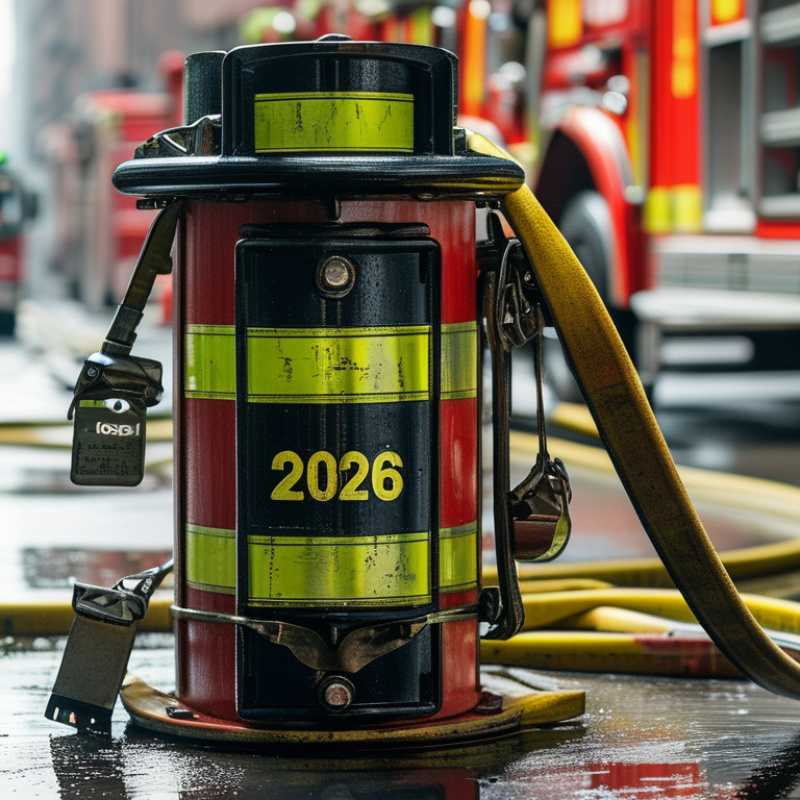
When selecting fire water hoses for 2026, durability is a crucial feature. Hoses must withstand extreme conditions. High-quality materials should resist abrasion, punctures, and UV damage. A well-constructed hose can last for years, even in harsh environments.
Another essential aspect is flexibility. A hose that is too stiff can be challenging to maneuver. Yet, if it's overly pliable, it may lack structural integrity. Buyers must find a balance. Consider the hose's ability to bend without kinking while maintaining optimal water flow.
Weight also matters. A lightweight hose is easier to handle in emergencies. However, it should not compromise on strength. Firefighters and responders often work under stress. The right weight aids in efficiency and reduces fatigue. Keep these features in mind when choosing for future needs. Balancing various characteristics can be challenging, but it’s essential for effective firefighting.
The fire water hose market will continue to evolve in 2026, driven by technological advancements and safety regulations. Industry reports suggest that the market is projected to reach a valuation of over $1.5 billion globally by that year. Key drivers include the increased focus on infrastructure safety and the rising incidence of fires worldwide. Manufacturers are under pressure to improve hose durability and flexibility, reflecting a trend toward lighter materials that maintain strength.
Prominent companies have shifted towards eco-friendly materials and enhanced fire-resistant technologies. According to experts, over 45% of global buyers value innovation in safety features. This trend pushes brands to invest in research and development. However, with rapid advancements, some products may momentarily fall short of safety standards. Lack of standardization in materials can lead to inconsistencies in performance.
Moreover, buyers face challenges in distinguishing between high-quality products and subpar alternatives. The diverse range of specifications can be overwhelming. Ultimately, knowledge about different hose types and their appropriate applications is essential for making informed purchasing decisions. Understanding these nuances can lead to better choices and improved safety outcomes.
Innovations in fire hose technology are leading to enhanced performance and safety in firefighting. Fire hoses have evolved, incorporating advanced materials like synthetic fibers and new rubber compounds. These materials improve flexibility and durability, ensuring that hoses can withstand harsh conditions. The lightweight design now allows for easier handling, even in emergency situations.
When selecting a fire hose, consider the operating pressure. A higher pressure rating can ensure water reaches the required distance. Choose hoses designed for different environments, such as urban versus rural areas. Testing the hose regularly for leaks and wear can prevent unexpected failures.
Tip: Regular maintenance is crucial. Inspect hoses for damage before each use. Keep them coiled properly to avoid kinks or folds. Safety shouldn’t be compromised. Encourage training for personnel on proper handling and deployment techniques. Consider sourcing hoses that come with warranties to reflect reliability.
When choosing fire hoses for various applications, pricing and quality are two critical factors. Fire hoses come in different materials and specifications, which directly impact their durability and effectiveness. For instance, synthetic materials offer lightweight options, while rubber hoses provide superior abrasion resistance. The cost of these hoses can vary significantly based on their construction and intended use. Basic models may be cost-effective but could compromise on longevity.
Quality assessment is equally important. High-quality hoses are not only designed to resist wear but also withstand heat, high pressure, and chemicals. Some hoses undergo rigorous testing to ensure they meet safety standards. Many buyers find it challenging to balance cost and quality. It's vital to research and compare options. Conducting a comparative analysis can reveal how different manufacturers approach these aspects.
It's essential to consider that lower-priced hoses may lead to frequent replacements. This can increase long-term costs and pose risks in emergencies. On the contrary, a high-quality hose might have a higher initial cost, yet it will often provide better performance and reliability. Understanding these trade-offs will empower buyers to make informed choices for their fire safety needs.
The fire water hose industry is evolving rapidly, focusing on sustainability. By 2026, manufacturers will prioritize eco-friendly materials. This shift reduces environmental impact while maintaining high performance. Innovations in production processes will enhance energy efficiency, which is crucial for planet sustainability.
Recycling will become a standard practice in this sector. Manufacturers may implement closed-loop systems. These systems reduce waste and encourage the reuse of materials. This move not only conserves resources but also aligns with global sustainability goals. However, achieving this is not without challenges. There may be limitations in technology and supply chains.
As consumers, we must be aware of these changes. Our choices will shape the future of fire water hoses. Supporting sustainable practices can drive further innovations. Awareness of sustainability in manufacturing is key to driving progress. Together, we can contribute to a more sustainable world in the fight against fires.
: Modern fire hoses incorporate synthetic fibers and new rubber compounds for better flexibility and durability.
Lightweight designs allow for easier handling, especially in emergency situations.
A higher pressure rating ensures that water can reach the required distance during firefighting efforts.
Regularly inspect hoses for leaks and wear to prevent unexpected failures during use.
Keep hoses coiled correctly to avoid kinks or folds, and inspect for damage before each use.
Eco-friendly materials and processes reduce environmental impact while maintaining high performance in firefighting.
Closed-loop systems are being implemented to reduce waste and encourage material reuse.
Limitations in technology and supply chains can hinder the adoption of eco-friendly practices.
By supporting sustainable practices, consumer choices can drive further innovations in fire hose manufacturing.
Training personnel on proper handling and deployment techniques is essential for ensuring safety and effectiveness.
As we look ahead to 2026, the landscape of Fire Water Hose options for global buyers is set to evolve significantly. Key features to consider include durability, pressure ratings, and resistance to chemicals and abrasions, ensuring optimal performance in critical situations. The market is anticipated to witness innovations in fire hose technology, enhancing efficiency and safety for firefighters. Moreover, a comparative analysis of pricing and quality will guide buyers in making informed decisions amidst a plethora of choices available.
Sustainability trends are also becoming increasingly vital, with manufacturers focusing on eco-friendly materials and practices in fire water hose production. This shift not only meets environmental standards but also appeals to conscious consumers. Overall, understanding these essential aspects will empower global buyers to select the best Fire Water Hose solutions that meet their needs while aligning with modern sustainability goals.

Orient Flex