Fire Hydrant Water Hose Buying Guide for Global Buyers?

Time:2026-08-03 Author:Henry
0%

In today's fire safety landscape, selecting the right Fire Hydrant Water Hose is crucial. The global fire safety equipment market is projected to reach $100 billion by 2025, emphasizing the importance of reliable water hoses in emergency situations. A quality hose not only ensures effective firefighting but also enhances the overall safety of communities.

Fire hydrants are vital infrastructures, providing quick access to water during emergencies. However, the efficacy of the water supply heavily relies on the hoses connected to them. According to industry reports, improper hose selection can hinder the firefighting process, leading to devastating consequences. Buyers must evaluate factors like material, diameter, and resistance to wear when choosing a Fire Hydrant Water Hose.

Potential pitfalls exist in the selection process. Many buyers overlook the importance of certification and compliance with safety standards. A hose that meets these requirements significantly reduces risks. As the market evolves, keeping informed about trends and technological advancements in hose design can aid in making educated choices.
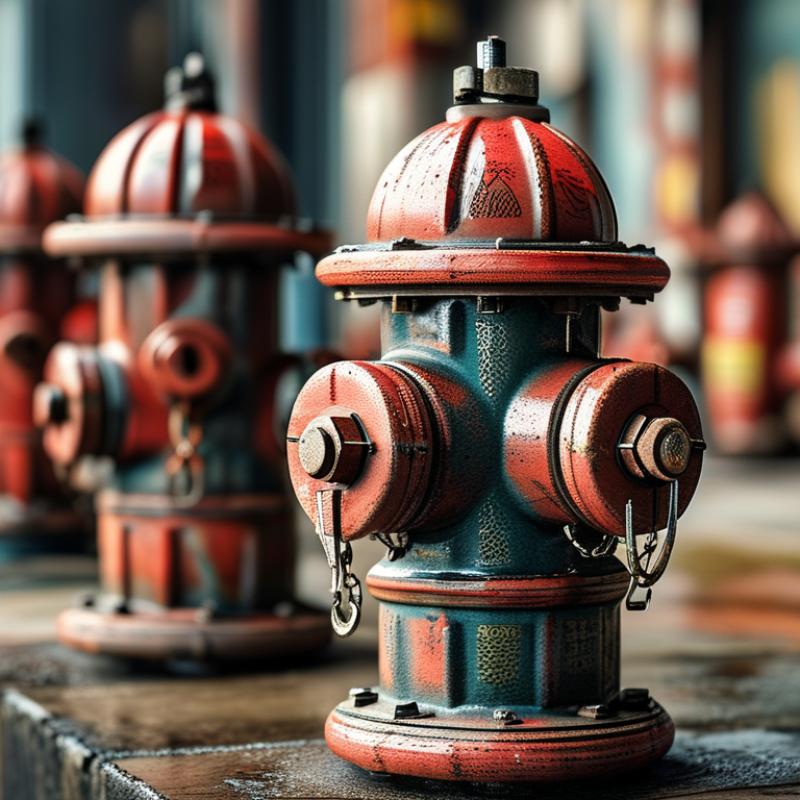
Fire Hydrant Water Hose Buying Guide for Global Buyers?

Factors to Consider When Buying Fire Hydrant Water Hoses

When purchasing fire hydrant water hoses, several factors demand attention. The material of the hose is crucial. Most options are made from rubber, PVC, or polyurethane. Rubber hoses offer flexibility and durability, while PVC is lighter and easier to handle. Polyurethane provides excellent abrasion resistance and is suitable for harsh environments. Consider the hose diameter too; this affects flow rate. A larger diameter allows more water to pass through, which is vital in emergencies.

Pressure ratings are another essential element. Standard hoses are rated between 150 to 300 PSI, depending on their intended use. A study from the National Fire Protection Association (NFPA) suggests that using hoses with a proper pressure rating can significantly enhance firefighting efficiency. A mismatch in pressure can lead to failure during critical moments. Durability is equally important. Look for hoses that can withstand temperature extremes and rough handling.

Storage and maintenance options should not be overlooked. Hoses need to be stored properly to prevent damage. Regular inspections are essential for safety and reliability. Many organizations overlook this aspect, leading to a hidden risk in emergency situations. Investing time in these details enhances overall preparedness. Therefore, understanding these factors can make a significant difference in fire safety planning.

Types of Fire Hydrant Water Hoses Available in the Market

When selecting fire hydrant water hoses, understanding the types available is crucial. Various materials are employed in hose construction. For instance, rubber hoses offer durability and flexibility, making them ideal for harsh environments. This durability is backed by studies showing that rubber hoses tend to outperform PVC options in longevity.

In terms of design, lay-flat hoses are popular. They are lightweight and easy to transport, making them suitable for emergency situations. A recent market report noted that demand for lay-flat hoses has surged by 25% over the past five years. This trend indicates their effectiveness and practicality in firefighting scenarios.

Different diameters and lengths also cater to specific needs. Standard diameters range from 1.5 inches to 6 inches, accommodating various water flow requirements. However, buyers must consider the balance between maneuverability and flow rate. Some may find that larger hoses can be cumbersome in tight spaces. Understanding these nuances can enhance operational efficiency in emergency response situations.

Material and Durability: Choosing the Right Hose for Your Needs

When selecting a fire hydrant water hose, material choice is crucial. Different materials offer varied levels of durability, flexibility, and resistance to the elements. For example, rubber hoses are often preferred for their resilience and ability to withstand high pressures. On the other hand, PVC hoses are lighter and more affordable, but may not hold up in extreme conditions. Assess your environment before making a decision.

Tip: Consider how often the hose will be used. Frequent users might benefit from investing in a higher-quality material. Think about temperature fluctuations too. If your region faces harsh winters or scorching summers, choose a hose that can endure those temperatures without degrading.

Durability also depends on how well the hose is maintained. Regular inspections for wear and tear can identify issues before they worsen. A hose stored properly lasts longer. Many forget to properly roll up and store their hoses after use, leading to kinks or cracks.

Tip: Reinforced hoses can provide extra strength. Check for features like abrasion resistance and UV protection. These can significantly extend the life of your hose. Avoid settling for the cheapest option; it might cost more in the long run.

Sizing and Compatibility: Ensuring Proper Fit for Fire Hydrants

When considering fire hydrant water hoses, sizing and compatibility are crucial factors. The National Fire Protection Association (NFPA) recommends that hoses should match the specifications of local fire hydrants. A mismatch can hinder firefighting efforts, leading to disastrous outcomes.

Incorrect hose sizes can impact water flow rates. A hose that is too small may restrict water flow, making it difficult to combat fires effectively. According to a study published in the Journal of Fire Protection Engineering, proper hose dimensions ensure optimal pressure levels and water delivery rates. For example, a standard 2.5-inch hose provides maximum water flow, essential for larger fires.

Compatibility also extends to coupling types. Different fire hydrants may require various coupling designs, including NH (National Hose) or ISO types. This can lead to confusion among emergency responders. A survey conducted by the International Association of Fire Fighters revealed that 30% of responders reported compatibility issues during emergencies. This can be detrimental when every second counts. Paying attention to sizing and compatibility can save lives and property.

Maintenance Tips for Fire Hydrant Water Hoses to Enhance Longevity

Proper maintenance of fire hydrant water hoses is essential for longevity. Regular inspections are necessary. Check for any signs of wear or damage. Look for tears, kinks, or corrosion. These issues can compromise the hose's effectiveness.

Cleaning is equally important. After each use, rinse the hose with clean water. This process removes dirt and chemicals that can cause deterioration. Let the hose dry completely before storing. Store it in a cool, dry place to avoid mold growth.

Flexibility can be an area of concern. Hoses need to remain flexible to function properly. Cold temperatures can make them stiff. If you notice decreased flexibility, think about a replacement. Small cracks can lead to leaks, reducing pressure during emergencies. Regular maintenance can help catch these issues early.

Fire Hydrant Water Hose Buying Guide and Maintenance Tips
Feature Description Maintenance Tip
Material Hoses can be made from various materials like rubber, PVC, or polyurethane, each with different durability levels. Choose a durable material suited for the environment and perform regular inspections for wear.
Diameter Common diameters range from 1 to 6 inches, affecting flow rate and pressure. Ensure the diameter matches the required flow for firefighting needs.
Length Hoses come in various lengths, typically between 25 to 100 feet, for different applications. Store hoses properly to prevent kinks and damage; keep them coiled and out of direct sunlight.
Pressure Rating Pressure ratings define the maximum operating pressure, commonly up to 300 PSI. Regularly check the pressure ratings and avoid exceeding them to ensure safety.
Fittings Hoses come with various fittings like threaded, storz, or cam lock for different connections. Inspect fittings for damage and clean them periodically to ensure proper sealing.

FAQS

: What materials are available for fire hydrant water hoses?

: Common materials include rubber and PVC. Rubber offers durability, while PVC is lighter and more affordable.

Why are lay-flat hoses popular?

Lay-flat hoses are lightweight and easy to transport, making them effective for emergencies.

What size diameters are commonly used for hoses?

Standard diameters range from 1.5 inches to 6 inches, catering to various water flow needs.

How does maintenance affect hose longevity?

Regular inspections and proper cleaning can prevent damage and extend the life of the hose.

What is a key tip for hose storage?

Always roll up and store hoses properly to avoid kinks or cracks.

How often should hoses be inspected?

Regular inspections are essential. Look for damage like tears or kinks that can impact hose performance.

What should you do if a hose becomes stiff in cold weather?

Consider replacing it. Stiff hoses can lose flexibility, which may lead to leaks during emergencies.

Why invest in higher-quality hoses?

Higher-quality materials can withstand harsher conditions and might save money in the long run.

How can temperature extremes affect hoses?

Hoses may degrade if not suited for harsh temperatures, so select them based on local climate.

What features enhance the durability of hoses?

Look for reinforced designs with abrasion resistance and UV protection to improve longevity.

Conclusion

When purchasing a Fire Hydrant Water Hose, several key factors must be considered to ensure optimal performance and safety. Buyers should evaluate the different types of hoses available in the market, focusing on material and durability to select a product that meets specific needs. Additionally, proper sizing and compatibility with existing fire hydrant systems are crucial to guarantee a functional fit.

To prolong the lifespan of your Fire Hydrant Water Hose, regular maintenance is essential. This includes inspecting for wear and tear, cleaning after use, and following storage guidelines to prevent damage. By addressing these considerations, buyers can make informed decisions that enhance the efficiency and reliability of their fire safety equipment.


Henry

Henry

Henry is a dedicated marketing professional with a profound expertise in the company's offerings. With years of experience in the industry, he possesses an impressive understanding of the market dynamics and consumer behaviors that drive success. Henry is committed to sharing his insights through......