What is Fire Hose and How to Choose the Right One?

Time:2026-05-25 Author:Aria
0%

Fire hoses are essential tools for firefighting. They are used to deliver water during emergencies. But not all fire hoses are the same. Choosing the right one can make all the difference.

When selecting a fire hose, consider its material and diameter. Different materials provide varying levels of durability. The hose's diameter affects water flow and pressure. A thicker hose can carry more water but may be heavier to handle.

Understanding your specific needs is crucial. A commercial fire hose might differ from one used in residential settings. Often, people overlook these details, leading to ineffective firefighting efforts. Choosing the correct fire hose not only requires knowledge but also practical experience. Knowing when to choose a lightweight option or a high-pressure model can enhance safety and efficiency.
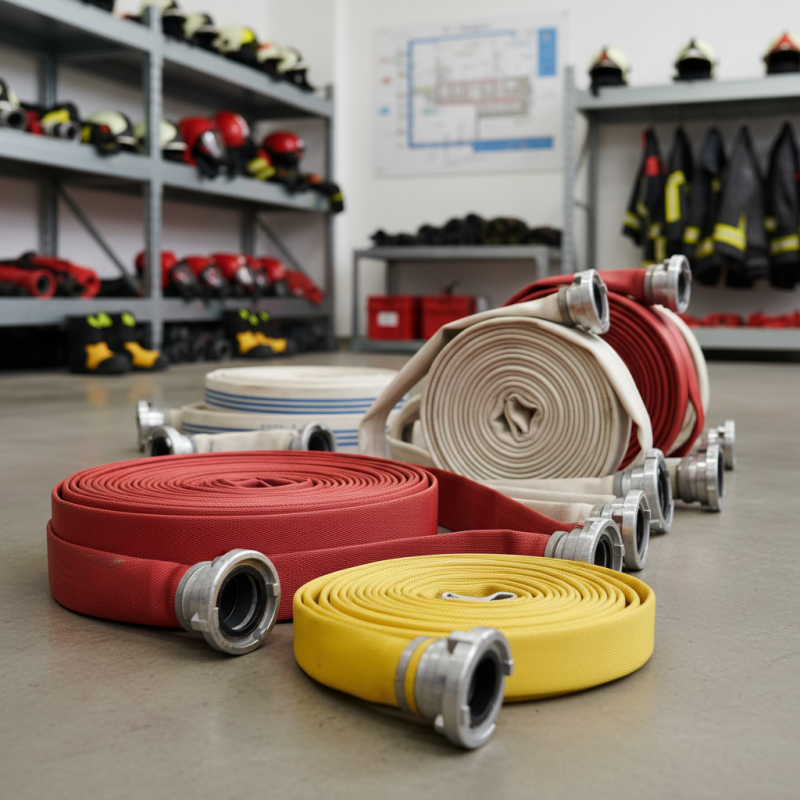
What is Fire Hose and How to Choose the Right One?

What is a Fire Hose?

A fire hose is a crucial tool for firefighting. It is a flexible tube used to deliver water to extinguish fires. Typically made from synthetic materials, fire hoses are designed to withstand high pressure and harsh conditions. Their durability ensures that firefighters can rely on them when every second counts.

When choosing a fire hose, several factors come into play. The diameter of the hose can affect water flow; larger diameters allow more water to flow quickly. However, larger hoses may be heavier and harder to maneuver. Length matters too. A hose that is too short might not reach the fire, while an overly long one can complicate deployment.

It’s also essential to consider the type of firefighting activity. Not all hoses are suited for every situation. Some are better for structural fires, while others excel in wildland firefighting. Assessing the intended use helps in making the right choice. Reflecting on these aspects can lead to better preparedness and more effective firefighting.

Types of Fire Hoses and Their Applications

When it comes to fire hoses, selecting the right type is crucial for effective fire control. Fire hoses are primarily categorized into two types: attack hoses and supply hoses. Attack hoses, typically 1.5" to 3" in diameter, are designed for firefighting purposes. They are used by firefighters to deliver water directly to extinguish fires. According to the National Fire Protection Association (NFPA), attack hoses are crucial in nearly 75% of firefighting incidents. Their flexibility and durability make them ideal for various fire scenarios.

On the other hand, supply hoses, generally larger in diameter like 4" or more, transport water from a source to the pump. These hoses are essential for maintaining consistent water flow. The Water Research Foundation indicates that proper selection of supply hoses can increase water availability by 60% during emergencies. Material matters too. Hoses made of synthetic rubber or polyester provide better resistance to chemicals and high temperatures. However, users often overlook maintenance practices, which can lead to premature wear or failure.

In addition, specialty hoses, such as forestry and marine hoses, serve specific needs. Forestry hoses are lightweight and designed for use in wooded areas. Marine hoses are essential for firefighting in harbors or aboard ships. Notably, selecting a suitable fire hose can significantly enhance safety and efficiency in emergency situations. Yet, many professionals admit to lacking enough training on hose selection, which can compromise firefighting efforts.

What is Fire Hose and How to Choose the Right One? - Types of Fire Hoses and Their Applications

Type of Fire Hose Material Diameter (inches) Typical Pressure (PSI) Common Application
Rubber Fire Hose Rubber 1.5 - 3 150 - 300 Structural firefighting
PVC Fire Hose PVC 1 - 4 100 - 200 Wildland firefighting
Dual Purpose Hose Polyester 2.5 - 4 150 - 250 Attack and supply lines
Linen Fire Hose Linen 1.5 - 3 100 - 150 Urban firefighting
High-Pressure Hose Synthetic 1.5 - 2.5 300 - 600 High-pressure applications

Key Features to Consider When Choosing a Fire Hose

When choosing a fire hose, key features should be top of mind. The material is crucial. Options like rubber and vinyl are both common. Rubber hoses offer durability and flexibility. Vinyl hoses tend to be lighter. Consider the fire hose's diameter as well. A larger diameter allows for higher water flow. Yet, it may also add weight and bulk.

Next, think about the length of the hose. A longer fire hose can reach distant areas easily. However, handling a lengthy hose can be cumbersome. Assess your specific needs. Are you protecting a single-story building or a multi-story structure? These factors influence length decisions. It’s also wise to check the hose's pressure rating. This will ensure it can withstand the pressure of your water supply.

Don’t overlook the fittings and couplings. They should be compatible with your firefighting equipment. Look for materials that resist corrosion. Regular inspections are necessary, too. Even the best hoses degrade over time. If you notice wear or damage, replace them promptly. This reflection is essential; a reliable fire hose saves lives and property.

How to Properly Maintain and Store Fire Hoses

Proper maintenance and storage of fire hoses are crucial for ensuring their reliability during emergencies. Regular inspection is key. Check for signs of wear or damage, including leaks and cracks. Replace any hose that shows deterioration. This may seem tedious, but it protects lives and property. Fire hoses must meet strict safety standards, and a small oversight can lead to significant risks.

Storing hoses correctly is equally important. Hoses should be coiled neatly and stored in a cool, dry place. Avoid areas with extreme temperatures or direct sunlight. This can degrade the material over time. Using racks can help maintain their shape and prevent kinking. Always secure hoses to prevent them from becoming tangled or damaged.

Sometimes, despite your best efforts, mishaps occur. A hose might still develop issues after proper storage. This underscores the need for routine checks. Document each inspection to track maintenance history. It’s essential to learn from any shortcomings in the process. Each misstep can inform better practices in the future.

Fire Hose Types and Their Usage Frequency

Safety Standards and Regulations for Fire Hoses

When selecting a fire hose, understanding safety standards and regulations is crucial. Fire hoses must meet specific criteria set by various organizations. These standards ensure reliability and performance during emergencies. The National Fire Protection Association (NFPA) is a key organization that outlines these guidelines. They dictate how hoses should be constructed and tested.

All fire hoses should undergo rigorous testing for pressure resistance and durability. A hose that fails under pressure can lead to serious consequences. Compliance with standards like those from the NFPA indicates that the fire hose has been evaluated properly. Inspecting hoses for signs of wear is also essential. Deterioration can compromise safety, rendering the hose ineffective in an emergency.

Consider the environment where the fire hose will be used. Different settings may require specific standards. Industrial environments, for example, often have stricter guidelines due to higher risks. Always check local regulations as well. They can vary significantly and may impose additional requirements. Understanding these nuances helps in choosing a hose that not only meets standards but serves effectively.

FAQS

: What materials are commonly used for fire hoses?

: Rubber and vinyl are common materials. Rubber hoses are durable and flexible. Vinyl hoses are lighter in weight.

How does the diameter of a fire hose affect its performance?

A larger diameter allows for higher water flow. However, it can add weight and bulk, making it harder to handle.

Why is the length of a fire hose important?

Longer hoses can reach distant areas easily. Yet, they can be cumbersome to handle in tight spaces.

What factors should be considered when choosing the length of a fire hose?

Consider the structure type. A single-story building may need less length than a multi-story one.

How should fire hoses be maintained?

Regular inspections are necessary to check for wear or damage. Replace hoses showing signs of deterioration promptly.

What is the best way to store fire hoses?

Store hoses coiled neatly in a cool, dry place. Avoid direct sunlight or extreme temperatures to prevent degradation.

Why is it critical to document hose inspections?

Documenting inspections helps track maintenance history. It also aids in learning from any oversights or issues encountered.

What safety standards apply to fire hoses?

Fire hoses must meet specific standards for construction and testing. Compliance ensures reliability and performance during emergencies.

How can environmental conditions affect fire hose selection?

Different environments may require specific standards. Industrial settings often have stricter guidelines due to higher risks involved.

What happens if a fire hose is not regularly inspected?

Neglecting inspections can lead to significant risks. Deteriorated hoses may become ineffective in emergencies, putting lives at risk.

Conclusion

A fire hose is a crucial tool used in firefighting, designed to deliver water or other extinguishing agents to combat fires. Understanding the different types of fire hoses and their applications is vital for effective firefighting. There are various fire hoses, including attack hoses, supply hoses, and suction hoses, each serving specific functions. When selecting the right fire hose, it is essential to consider key features such as diameter, length, material, and pressure rating to ensure optimal performance and safety.

Proper maintenance and storage of fire hoses are also critical to prolong their lifespan and ensure readiness for use. Regular inspections, cleaning, and safe storage practices help in maintaining their integrity. Additionally, adherence to safety standards and regulations governing fire hoses guarantees that they meet the required performance criteria. By understanding these factors, individuals and organizations can make informed decisions when choosing and maintaining fire hoses, ultimately enhancing firefighting effectiveness.


Aria

Aria

Aria is a dedicated marketing professional with a deep passion for innovative strategies and a keen understanding of our company's product offerings. With a wealth of experience in the industry, Aria excels at crafting engaging content that highlights the unique features and benefits of our......