Choosing the right Fire Hose is not a catalogue decision. It is a field decision. The hose must match the water supply, operating pressure, crew size, storage space, and expected response conditions. A line that looks suitable on a specification sheet may feel heavy on wet pavement or resist movement around a tight corner.
Fire chief Alan Brunacini offered a useful service principle: “The customer is not an interruption of our work; the customer is the purpose of it.” His words are not about hose selection, but they remind us to start with the people who depend on the equipment. For firefighters, that means considering who will carry, connect, deploy, inspect, and maintain each hose. Small details matter. Couplings must fit the system. Length and diameter affect handling and water delivery. The jacket and lining must suit the work and care routine.
There is no universal best choice. A municipal crew, industrial response team, and rural department may face very different constraints. Compare manufacturer specifications, confirm compatibility with the rest of the system, and follow applicable inspection and maintenance guidance. Ask crews to handle the hose before committing, if practical. A brief trial can reveal awkward weight or poor fit. It may not reveal everything. That uncertainty deserves attention, not a confident guess. This guide examines the factors that make a Fire Hose dependable for a specific task, and the trade-offs worth discussing before purchase.
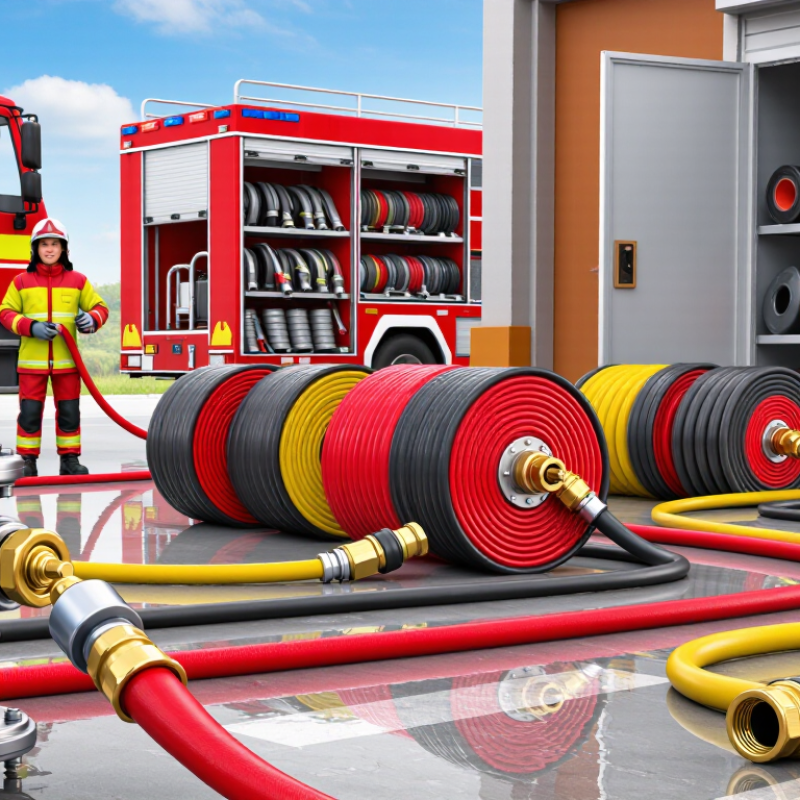
A fire hose is more than a flexible pipe. It carries water from a pump, hydrant, or other supply to the nozzle, where firefighters direct the stream. Attack hoses are designed for controlled movement near a fire; larger supply hoses move water over longer distances. Diameter, length, pressure rating, and coupling compatibility affect flow and handling. A hose that is difficult to deploy can slow work in a cramped hallway. It matters.
The scale of fire risk makes dependable water delivery essential. The National Fire Protection Association’s 2024 report, Fire Loss in the United States During 2023, estimated 1,389,000 fires nationwide. That figure does not measure hose performance, but it shows why reliable equipment and routine checks matter. NFPA 1962 covers the inspection, care, service testing, and replacement of fire hose and related equipment. Choosing a hose involves trade-offs: lighter equipment may be easier to carry, while a different diameter or length may better suit the water supply and task. That choice is not always neat.
Tips: Match the hose to the intended role, available water source, and compatible fittings. Check the manufacturer’s pressure limits, inspect for cuts or damaged couplings, and follow applicable service-testing procedures. A quick visual check helps, but it cannot replace documented testing.
Why Choose the Right Fire Hose for Your Needs?
Comparing Common Fire Hose Types
Choosing a fire hose starts with its intended job, not its appearance. Attack hoses deliver water directly to a fire through handlines. They must remain flexible, durable, and manageable under pressure.
Supply hoses move large water volumes between hydrants, pumps, and storage tanks. Layflat supply hose rolls easily and stores compactly. It still needs careful drying after use. Booster hoses have a smaller diameter and resist abrasion, making them useful for vehicle-mounted systems and smaller fires. They are convenient, but they cannot replace high-volume attack lines.
Hard suction hose serves a different purpose. Its reinforced construction helps prevent collapse while drawing water from an open source. It is heavier and less flexible than ordinary discharge hose. That difference matters during setup.
The confusing part is compatibility. A hose may have a suitable pressure rating but still fail to match the coupling, nozzle, or pump connection. Check diameter, working pressure, temperature limits, and local fire-code requirements. Inspect covers for cuts, mildew, exposed reinforcement, and damaged couplings.
A practical mistake is choosing only by maximum pressure. Handling weight, storage space, water source, and crew training matter just as much. No selection chart replaces a real inspection. Even experienced teams can overlook hose age or poor drying conditions. Follow applicable standards and the hose manufacturer’s instructions before placing equipment into service.
Choosing a fire hose starts with the water system, not the hose cabinet. Measure flow rate, working pressure, connection size, and distance to the fire area. A 1.5-inch hose may feel easier to handle. However, it can deliver less water than a 2.5-inch hose. Larger hoses often provide stronger flow, but they weigh more when filled. That difference matters during a rushed response.
Material affects durability, flexibility, and maintenance. Rubber hoses usually tolerate heat, abrasion, and repeated handling well. Synthetic jackets can reduce weight and dry faster after use. Some lined hoses resist chemicals better than basic materials. Check pressure ratings, temperature limits, and coupling specifications carefully. Never judge quality by thickness alone. I have seen a rugged-looking hose whose fittings showed early wear.
Think about the environment. A warehouse floor may demand abrasion resistance, while a coastal site needs protection from salt and moisture. Measure storage space before choosing a larger diameter. Extra capacity can create a hose that few people move safely. Inspect for cracks, soft spots, damaged couplings, and mildew regularly. Training should include deploying the actual hose, not just discussing it. A small mismatch can slow water delivery when seconds matter.
Choosing a fire hose starts with pressure ratings, not color or appearance. A hose can look perfect and still fail. That is the uncomfortable part.
Check the hose’s working pressure, test pressure, and burst pressure against the pump’s maximum output. Never treat burst pressure as a usable operating limit. NFPA 1960 sets performance and testing requirements for fire hose and related connections, while field procedures should follow local authority guidance. NFPA’s 2022 U.S. Fire Department Profile counted about 1.04 million firefighters, serving departments with very different equipment, staffing, and water systems. That variation makes compatibility checks essential.
Inspect every connection before deployment. Confirm coupling size, thread type, gasket condition, nozzle flow rate, and hydrant or pump outlet. A small thread mismatch can cause leakage under pressure. Reduced flow may also appear when a narrow hose feeds a high-demand nozzle. For water supplies containing additives, verify material compatibility and temperature limits. Some hose linings tolerate common agents better than others, but assumptions are risky.
Practical checks matter. Connect the hose dry, inspect the seating, then test it gradually. Watch for bulging, twisting, seepage, or unusual movement. Record inspection dates and pressure-test results. I would not rely on a clean exterior alone. Dirt can hide abrasion near couplings, and storage bends may weaken reinforcement over time. Recheck the manufacturer’s technical sheet before every major installation change.
| Hose application | Common nominal size | Representative working-pressure range | Typical connection considerations | What to check before use |
|---|---|---|---|---|
| Attack hose | 1.5–1.75 in (38–45 mm) | Often approximately 250–300 psi (17–21 bar) | Match hose couplings to the pump outlet, adapters, and nozzle inlet. Thread type and diameter must agree. | Confirm the hose’s marked working pressure and that the nozzle and all fittings are rated for the intended pressure. |
| Larger attack hose | 2.5 in (64 mm) | Often approximately 250 psi (17 bar) | Check coupling size and connection standard at both ends; an adapter may be needed when equipment standards differ. | Allow for pressure loss through the hose and fittings, especially on long hose lays or at high flow rates. |
| Supply / large-diameter hose | 3–5 in (76–127 mm) | Common product ratings are approximately 150–200 psi (10–14 bar) | Large-diameter hose commonly uses Storz or threaded connections; verify size, lug arrangement where applicable, and gasket fit. | Check the pressure rating of the hose, intake fittings, valves, and pump connections as one complete assembly. |
| Wildland / forestry hose | Commonly 1–1.5 in (25–38 mm) | Product-dependent; some designs are rated around 300 psi (21 bar) | Confirm the coupling type and size used by the pump, wye, nozzle, and any hose packs. | Choose a hose intended for the environment and verify its pressure rating, abrasion resistance, and care requirements. |
| Booster / reel hose | Commonly 0.75–1 in (19–25 mm) | Product-dependent; check the hose’s marked working pressure | Check reel swivel, fittings, and nozzle connections for matching thread or coupling standards and pressure ratings. | Ensure the hose is suitable for the intended water supply and operating conditions; do not infer its rating from hose diameter alone. |
Selection note: Pressure ranges above are representative examples, not universal specifications. Always follow the hose and equipment manufacturer’s marked ratings and applicable inspection procedures. The lowest-rated component in the connected system—including hose, couplings, valves, appliances, and nozzle—limits the safe operating pressure. Verify connection standards and sizes before connecting equipment.
A suitable fire hose is only reliable when it is maintained correctly. In practice, small defects can become serious during an emergency. Inspect the hose after every use. Look for cuts, soft spots, exposed threads, damaged couplings, and mildew inside the jacket.
Keep it clean and fully dry before storage. Dirt can hide surface damage, while trapped moisture weakens fibers and encourages mold. Lay the hose flat in a cool, ventilated area. Avoid sharp bends, direct sunlight, oil, chemicals, and rough concrete. A hose hanging from a wet hook may appear ready, but it may already be deteriorating.
Follow the inspection schedule required by local fire authorities and the hose manufacturer. Trained personnel should perform pressure testing with suitable equipment. Never test a hose near unprotected people or leave it connected under unnecessary pressure. Record the inspection date, test result, repairs, and replacement decision.
The details matter.
I have seen teams check the nozzle and overlook the coupling gasket. That mistake is easy to make. Gaskets should remain flexible and fit tightly without cracks. Valves must open smoothly, and storage cabinets should remain accessible. Do not paint, staple, or drag the hose across abrasive surfaces. Replace any hose that fails inspection, even when the damage looks minor. A written checklist helps, although someone can still rush through it. Regular training and honest review make that weakness easier to catch.
Compare working and test pressures with the pump’s maximum output. Never treat burst pressure as an operating limit. It signals failure.
Match coupling size, thread type, gasket fit, nozzle flow, and pump or hydrant outlet. Small mismatches can leak under pressure.
Connect the hose dry and check that fittings seat properly. Test gradually. Watch for bulging, twisting, seepage, or unusual movement.
Look for cuts, soft spots, exposed threads, mildew, and damaged couplings. Check around the fittings, where dirt can hide abrasion.
Clean and dry it fully, then lay it flat in a cool, ventilated area. Avoid sharp bends, sunlight, oil, chemicals, and rough concrete.
Follow the schedule from local fire authorities and the hose manufacturer. Trained personnel should use suitable equipment. Keep unprotected people away.
Gaskets should stay flexible and fit tightly without cracks. Valves should open smoothly. I still find gaskets easy to overlook.
Record inspection dates, test results, repairs, and replacement decisions. Replace hoses that fail inspection, even if damage seems minor. Checklists help, but they can be rushed.
Choosing the right Fire Hose is essential for delivering water quickly, safely, and effectively during an emergency. A fire hose serves as the connection between a water source and the area requiring protection, so its construction and performance directly affect firefighting efficiency. Common types differ in flexibility, durability, lining, and intended use. Some are designed for indoor systems and frequent handling, while others are built for outdoor deployment, high abrasion resistance, or demanding environments.
Selecting the proper hose requires careful attention to size, material, length, pressure rating, and compatibility with existing pumps, valves, couplings, and nozzles. A hose that is too small may restrict water flow, while one with an unsuitable pressure rating can create serious safety risks. Regular maintenance is equally important. Hoses should be inspected for cuts, leaks, worn connections, mildew, and chemical damage, then cleaned, dried, stored correctly, and tested according to established safety procedures. These steps help ensure dependable performance when reliable water delivery matters most.

Orient Flex