How to Choose the Right Duct Tubing for Your Needs?

Time:2026-07-04 Author:Sienna
0%

Choosing the right duct tubing is crucial for efficient ventilation. Duct tubing affects airflow, energy efficiency, and overall comfort in your space. The market offers various types, each with unique properties.

Understanding these properties can significantly impact your choice. For instance, flexible tubing is easy to install but may restrict airflow. Rigid duct tubing, on the other hand, provides better airflow but is harder to install.

Consider your specific needs carefully. If you prioritize ease of installation, flexible options might appeal to you. However, if you aim for efficiency, rigid choices may serve you better. The decision can feel overwhelming, but with thoughtful analysis, you can find duct tubing that fits your requirements seamlessly.
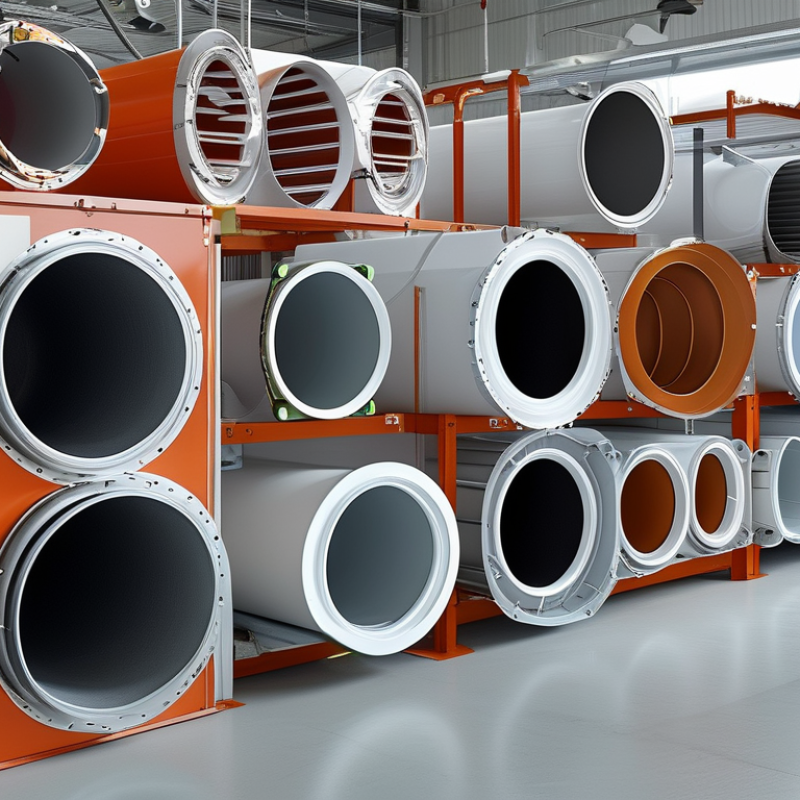
How to Choose the Right Duct Tubing for Your Needs?

Types of Duct Tubing: Understanding the Options Available

When choosing duct tubing, understanding the types available is crucial. Duct tubing comes in various materials like flexible vinyl, aluminum, and fiberglass. Each type has distinct properties that serve different purposes. Flexible vinyl tubing is easy to install and is often used in residential settings. It’s lightweight but might not handle extreme temperatures well.

Aluminum ducting is more robust. It resists heat and is suitable for dryer vents and HVAC systems. It’s durable but can be challenging to handle due to its stiffness. Fiberglass ducting is ideal for soundproofing and thermal insulation. Its installation is more complex, requiring careful handling.

Choosing the right type depends on your needs. Think about your environment and what the duct will carry. Reflect on your budget, as some materials are more expensive than others. Don't rush the decision; research thoroughly. Sometimes, the best option isn't clear, and requirements change. Always consult a professional for advice tailored to your situation.

Factors to Consider When Selecting Duct Tubing

Choosing the right duct tubing for your needs can feel overwhelming. Several factors play a crucial role in making an informed decision. One key aspect is the material of the duct tubing. Common options include flexible plastic, metal, and fiberglass. Each material has unique properties that impact durability, flexibility, and insulation. Consider the installation environment when selecting a material. For instance, metal ducting may withstand high temperatures better than plastic.

Another factor to consider is the size of the duct tubing. Measuring your space accurately is vital. A tubing that is too small can restrict airflow, while one that is too large may not fit properly. This imbalance can lead to inefficiency. You should also think about the purpose of the ducting. Will it be used for HVAC or ventilation? Each function has different requirements for airflow and design.

Don't overlook insulation. Properly insulated duct tubing can prevent heat loss or gain, enhancing energy efficiency. However, insulation materials vary in quality. It is essential to research and choose wisely. Sometimes, mistakes can happen, like selecting the wrong size or material. Reflecting on these decisions aids in refining your choices for future projects.

Assessing the Material Properties of Duct Tubing

When selecting duct tubing, it’s crucial to assess the material properties. Different materials provide varying levels of durability, flexibility, and resistance to temperature. For example, metals like aluminum are lightweight yet sturdy. On the other hand, PVC offers excellent insulation but lacks flexibility. Knowing these differences helps you make informed decisions.

Tip: Always consider the environment where the duct tubing will be used. For high-temperature areas, materials like stainless steel perform better. They withstand heat without degrading, ensuring efficiency.

The thickness of the tubing also matters. Thicker walls provide better durability but may restrict airflow. A balance needs to be struck between strength and airflow efficiency. Consider potential wear and tear over time, especially for high-traffic systems.

Tip: Think about the length you need. Longer ducts might require additional support to prevent sagging. Regular checks can help catch issues early, maintaining airflow effectiveness.

How to Choose the Right Duct Tubing for Your Needs? - Assessing the Material Properties of Duct Tubing

Material Flexibility Temperature Resistance (°F) Durability Typical Applications
PVC Moderate 140 Medium Ventilation Systems
Aluminum High 300 High Industrial Applications
Fiberglass Low 400 Very High HVAC Insulation
Rubber Very High 180 Medium Flexible Ductwork
Stainless Steel Low 1500 Very High Chemical Handling

Sizing and Dimensions: Choosing the Right Fit for Your System

Choosing the right duct tubing involves careful consideration of sizing and dimensions. Getting this right is crucial for system efficiency. According to industry reports, incorrect duct sizing can lead to airflow issues and increased energy consumption. A report from the U.S. Department of Energy states that properly sized ducts can improve HVAC efficiency by up to 30%.


When selecting duct tubing, measure the existing system carefully. Ducts that are too narrow can restrict airflow. Conversely, overly large ducts can lead to energy loss. A practical guideline is to ensure the duct dimensions align with the HVAC system’s capacity. The Alliance to Save Energy emphasizes that maintaining an ideal duct size can enhance overall comfort levels in buildings.


Consider the specific needs of your environment. High-traffic areas might require more robust tubing. The material also plays a fundamental role; different materials can impact insulation and airflow. Some professionals note that flexible ducting can be easier to install but may not always provide the best air-tight seal. Always weigh the trade-offs between ease of installation and long-term performance.

Cost vs. Performance: Making Informed Material Choices

When selecting duct tubing, understanding the balance between cost and performance is crucial. Different materials offer varying durability and efficiency. For instance, a report by the Air Conditioning Contractors of America (ACCA) indicates that metal ductwork typically provides superior performance in terms of airflow efficiency compared to flexible duct options. However, this advantage often comes at a higher upfront cost.

Flexible duct materials, while cheaper, can lead to energy losses if not installed correctly. According to the U.S. Department of Energy, poorly insulated ducts can cause energy losses of up to 30%. In contrast, investing in high-quality materials like rigid metal ducts can lower long-term energy costs. Additionally, they often have a longer lifespan, leading to fewer replacements.

However, the choice is not always straightforward. Some homeowners might struggle with the upfront investment required for metal ducts. It's essential to consider the specific application and environment. A cost-effective solution for one project may not suit another due to different performance needs. Evaluating both current requirements and future implications is key to making an informed decision.

Comparison of Duct Tubing Materials: Cost vs. Performance

FAQS

: What materials are commonly used for duct tubing?

: Common materials include flexible plastic, metal, and fiberglass. Each has unique properties affecting durability and insulation.

How does the size of duct tubing affect performance?

Accurate measurements are crucial. A tubing that's too small restricts airflow, while one that's too large may not fit properly.

Why is insulation important for duct tubing?

Proper insulation prevents heat loss or gain, enhancing energy efficiency. Quality varies, so choose wisely.

How do I choose between metal and plastic duct tubing?

Metal withstands high temperatures better than plastic. Consider the installation environment for the best choice.

What should I consider regarding the thickness of duct tubing?

Thicker walls offer durability but may restrict airflow. Balance strength with airflow efficiency for optimal performance.

How do costs impact the choice of duct materials?

Different materials vary in cost and performance. Metal ducts offer better airflow efficiency but require a higher upfront investment.

What can go wrong when selecting duct tubing?

Common mistakes include choosing the wrong size or material. Reflecting on these choices helps refine future decisions.

How can longer ducts impact installation?

Longer ducts may require extra support to prevent sagging. Regular checks are essential for maintaining effective airflow.

What is the importance of assessing the installation environment?

The environment influences material choice. For high-temperature areas, materials like stainless steel perform better.

Why should I think about future implications when selecting duct tubing?

Short-term solutions might not meet future needs. Evaluating all factors ensures your choice remains effective over time.

Conclusion

When choosing the right duct tubing for your ventilation or HVAC needs, it's essential to understand the various types available. Each option, from flexible to rigid materials, serves different applications and environments. Factors such as the specific requirements of your system, including airflow, pressure, and installation space, should be prioritized when selecting duct tubing.

Moreover, assessing material properties like durability, insulation, and resistance to moisture can significantly impact performance and efficiency. Proper sizing and dimensions are equally important to ensure a perfect fit within your existing system. Ultimately, weighing the cost against the performance of duct tubing will guide you toward making informed material choices that best meet your needs.


Sienna

Sienna

Sienna is a skilled marketing professional with a deep expertise in our company’s core products and services. With a passion for innovation and detail, she plays a pivotal role in crafting insightful blog posts that not only highlight the unique features of our offerings but also provide valuable......