In today's industrial landscape, choosing the right Hydraulic Pipe is crucial. It affects efficiency, safety, and overall performance. Many industries rely on hydraulic systems. These systems depend heavily on quality hydraulic pipes to function optimally.
Selecting the best hydraulic pipes is not just about specifications. It’s about understanding your specific needs. Different projects demand different pipe materials and designs. The wrong selection can lead to failures, increased costs, or safety hazards.
Experience and expertise play vital roles in this decision-making process. Professionals in the field know the pitfalls of inferior hydraulic pipes. They understand that quality construction, pressure ratings, and resistance to corrosion are essential. Reliability in hydraulic pipes translates to a safer and more efficient working environment.
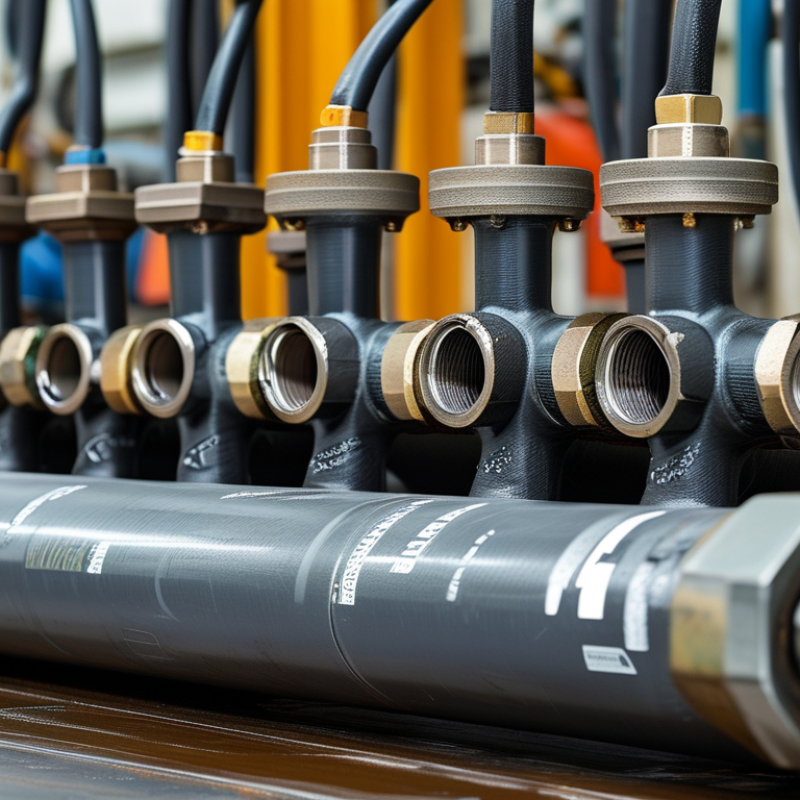
When it comes to industrial applications, the importance of high-quality hydraulic pipes cannot be overstated. These pipes are vital for ensuring the efficiency and safety of hydraulic systems. High-quality hydraulic pipes offer enhanced durability. They can withstand high pressure and extreme temperatures, reducing the risk of failures. This durability translates into longer service life and fewer maintenance costs.
Using premium hydraulic pipes improves overall system reliability. A single failure can halt production lines and incur significant costs. High-quality materials also minimize leaks, which can cause hazardous situations. Investing in reliable pipes can lead to a notable return on investment through increased uptime and lower operational risks.
Still, it's essential to choose wisely. Not every high-quality pipe suits every application. Understand the specific needs of your system. Ask questions, and seek expert advice if uncertain. The right fit will provide you with optimal performance. Consider the challenges you face. Could you be compromising on quality for cost? Reflect on your choices. Quality may require a higher initial investment but can save resources in the long run.
Choosing the right hydraulic pipe for industrial applications is critical. When selecting, several key factors are important. First, consider the material of the pipes. Common options include steel, aluminum, and composite materials. Each has distinct mechanical properties. For instance, steel pipes often withstand higher pressures but can be prone to corrosion. A report from the Hydraulic Institute states that nearly 25% of hydraulic failures stem from improper material selection.
Next, evaluate the diameter and wall thickness. These dimensions directly impact the flow rate and pressure capacity. Standard diameter sizes range from 1/4 inch to 2 inches. Thin-walled pipes may reduce weight but could compromise strength. The American National Standards Institute mentions that up to 30% of performance issues in hydraulic systems can be attributed to poor sizing choices.
Lastly, think about the intended environment. Will the pipes face extreme temperatures or exposure to corrosive substances? Choosing pipes with appropriate coatings or flexible designs can mitigate these risks. Data shows that environments with specific chemical exposures see failures at a higher rate, often exceeding 15%. Therefore, assessing environmental factors ensures the longevity and reliability of hydraulic systems.
When selecting hydraulic pipes, the material plays a crucial role in performance and longevity. Common options include steel, aluminum, and plastic. Steel offers excellent strength and is widely used in high-pressure applications. However, it can be heavy, which may be a disadvantage in mobile setups.
Aluminum, on the other hand, is lightweight and resistant to corrosion, making it suitable for various environments. Yet, it may not withstand extreme pressures as effectively as steel.
Plastic pipes, like PVC and HDPE, are cost-effective and easy to install. They resist corrosion and are ideal for fluid applications. However, they may have limitations in high-temperature or high-pressure situations. Each material has its advantages and drawbacks. Evaluating the specific application is essential.
Contemplating these options requires careful thought. Factors such as pressure ratings, environmental conditions, and budget constraints influence the best choice of material. Insufficient knowledge could lead to leaks or failures over time. Therefore, consulting industry experts can provide invaluable insights into appropriate selections for industrial needs.
When selecting hydraulic pipes for industrial applications, pressure ratings are crucial. These ratings indicate the maximum pressure a pipe can handle before risk of failure. According to the Hydraulics Institute, exceeding these ratings can lead to catastrophic failure, risking both equipment and personnel safety. For instance, a pipe rated for 3000 PSI will potentially burst under higher pressures, causing fluid spills or even explosions.
Choosing pipes with appropriate pressure ratings ensures system integrity. Industry standards, such as those from the American National Standards Institute (ANSI), provide guidelines on proper ratings based on the pipe material and application. PVC pipes, for example, are often rated differently than steel pipes, necessitating careful evaluation. It can be easy to overlook the specifics. Over time, wear may also reduce a pipe's effective pressure rating, making regular assessment necessary.
Understanding pressure ratings helps prevent costly downtimes. In 2021, a report from the Institute for Supply Management indicated that nearly 25% of industrial interruptions were linked to hydraulic system failures. A miscalculation in pressure ratings plays a significant role in this problem. By ensuring the right ratings are maintained, industries can improve safety, reduce repairs, and lower overall operational costs.
Hydraulic pipes are crucial for efficient industrial operations. Regular maintenance is key to prolonging their lifespan. Ignoring maintenance can lead to unexpected failures and expensive repairs. Simple practices can help maintain hydraulic pipes and improve their longevity.
Inspect the pipes regularly for signs of wear or damage. Look for leaks, corrosion, or any irregularities. Early detection of issues can prevent major breakdowns. Clean the pipes to remove any debris that could obstruct flow. Dirt and contaminants can lead to pressure drops and inefficient system performance.
Always monitor fluid levels and quality. Poor-quality fluids can harm both pipes and the hydraulic system. Replace filters as needed to keep the system operating smoothly. Lastly, training staff on proper handling can prevent accidents. Investing time in these maintenance tips pays off in the long run.
: They enhance efficiency and safety in hydraulic systems, offering durability against high pressure and extreme temperatures.
Durable pipes reduce failure risks, extend service life, and lower maintenance costs, saving resources over time.
They minimize leaks and operational issues, preventing production halts that lead to significant financial losses.
Understand your system’s specific needs and seek expert advice to ensure optimal performance and fit.
Regular inspections are crucial to identify wear, damage, or leaks, which can lead to costly breakdowns.
Regularly clean pipes to remove debris and contaminants that may obstruct flow and reduce efficiency.
Poor-quality fluids can damage both the pipes and the overall hydraulic system, leading to failures.
Staff training on proper handling prevents accidents and promotes a culture of maintenance awareness.
Ignoring maintenance can cause unexpected failures and result in high repair costs, impacting operations negatively.
While they may cost more initially, the long-term savings on maintenance and downtime make them a smart choice.
Choosing the best hydraulic pipe for industrial applications is crucial for ensuring efficiency and safety. High-quality hydraulic pipes offer numerous benefits, including increased durability, reduced risk of leaks, and improved performance under pressure. When selecting hydraulic pipes, it is essential to consider key factors such as material compatibility, pressure ratings, and environmental conditions.
Different materials, ranging from steel to plastic, provide distinct advantages depending on the specific requirements of the hydraulic system. Understanding pressure ratings is vital, as they dictate the maximum allowable pressure the pipe can handle, ensuring safe operation. Additionally, regular maintenance, such as inspections and proper cleaning, can significantly extend the longevity of hydraulic pipes, ultimately leading to reduced downtime and maintenance costs in industrial settings.

Orient Flex