Why Choose Pvc Flex Hose for Your Industrial Needs?

Time:2026-06-29 Author:Charlotte
0%

In the industrial sector, the choice of materials plays a crucial role in operational efficiency. The PVC Flex Hose stands out for its versatility and durability. According to a report by the Industrial Hose Association, the demand for flexible hoses is projected to grow by 6% annually. This growth indicates a shift towards lightweight, flexible solutions in various applications.

Industry expert Helen Carter emphasizes the importance of PVC Flex Hose in today’s market: "Its adaptability and resistance to numerous chemicals make it ideal for diverse industrial tasks." This product’s characteristics contribute to reduced downtime and maintenance costs. Yet, some still question its long-term performance under extreme conditions.

While PVC Flex Hose offers significant advantages, one must carefully consider specific applications. Factors such as temperature limits and pressure ratings can influence its effectiveness in challenging environments. Users should reflect on these aspects to ensure optimal material selection. Awareness of potential limitations is essential for maximizing operational benefits.
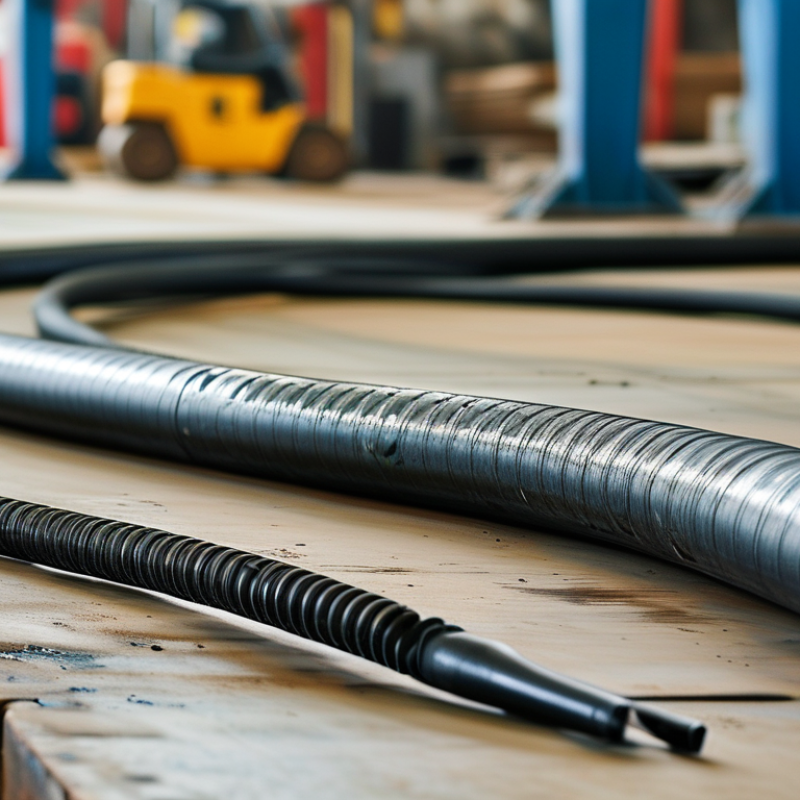
Why Choose Pvc Flex Hose for Your Industrial Needs?

Understanding PVC Flex Hose: What Is It?

PVC flex hose is increasingly popular in various industrial applications. Its flexibility and lightweight nature make it an ideal choice for fluid transfer tasks. According to a report by ResearchAndMarkets, the global flexible hose market is expected to reach $7 billion by 2026. This growth is driven by advancements in materials, including PVC, which can withstand various pressures and temperatures.

PVC flex hose is made from polyvinyl chloride, known for its durability. It can handle a wide range of chemicals without degrading. This is particularly important in industries like agriculture and manufacturing. A study published in the Journal of Polymer Science highlights that PVC flex hose maintains its integrity under fluctuating conditions. This enables cost-effective and reliable operations.

While PVC flex hose offers many benefits, it’s essential to consider some challenges. Over time, exposure to UV light can weaken the material. Users should implement regular inspections to ensure safety and performance. Understanding both the advantages and limitations of PVC flex hose can help industries optimize their fluid handling solutions effectively.

Key Advantages of Using PVC Flex Hose in Industry

When it comes to industrial applications, PVC flex hoses stand out as a preferred choice. Their lightweight nature makes them easy to handle and install, which is vital in busy environments. This flexibility allows for intricate routing, fitting into spaces where traditional hoses may falter. Additionally, PVC is resistant to many chemicals and can handle a range of temperatures, making it versatile for various uses.


One tip for maximizing the lifespan of PVC flex hoses is to avoid kinking or sharp bends during installation. Sharp angles can cause stress points that may lead to failure over time. Regular inspections can help identify wear before it becomes a significant issue. Always consider the specific fluids being transported as certain chemicals might break down PVC over time.


Another advantage is their affordability. PVC flex hoses are often more cost-effective than other materials. However, while they are durable, prolonged exposure to harsh conditions can compromise integrity. Always evaluate environmental factors such as UV exposure or extreme temperatures. Regular maintenance checks can aid in detecting any early signs of degradation.

Common Applications of PVC Flex Hose in Various Sectors

PVC flex hoses are widely utilized across various sectors due to their versatility and durability. In the agricultural sector, they effectively transport water and fertilizers. Their lightweight nature makes them easy to handle, which is crucial during planting and irrigation. Farmers appreciate the flexibility, allowing hoses to maneuver between crops without causing damage.

In construction, PVC flex hoses are often used for draining and transferring materials. They resist abrasion and can endure harsh environments. For example, when dealing with concrete or gravel, these hoses hold up well, preventing leaks and ensuring efficiency. They are also popular in HVAC systems, guiding air or cooling liquids.

Manufacturing industries benefit from the chemical resistance of PVC flex hoses. They can handle various fluids, making them suitable for production lines. However, occasional wear can occur, and operators must inspect hoses regularly. This reflection on maintenance helps prevent costly downtime, highlighting the importance of reliability in industrial applications.

Comparing PVC Flex Hose with Other Hose Materials

When comparing PVC flex hose to other materials, its advantages become clear. PVC hoses are lightweight yet durable, making them easy to handle in an industrial setting. Industry data shows that PVC flex hoses can withstand pressures up to 150 PSI. This is a significant benefit over traditional rubber hoses, which may not offer the same level of resistance.

Another factor is cost-effectiveness. A report from the Hose Manufacturers Association indicates that PVC hoses can reduce costs by up to 30% compared to metal hoses. This is crucial for industries looking to optimize budgets while maintaining performance. Additionally, PVC hoses maintain flexibility even in low temperatures, unlike some other materials that can become brittle.

However, it’s essential to consider potential limitations. PVC is susceptible to UV degradation over time. In high-temperature environments, its performance may diminish. This raises questions about long-term reliability in specific applications. Regular assessments and informed material choices are vital. Balancing these factors ensures that industries can benefit from the versatility of PVC flex hoses.

Maintenance Tips for Prolonging the Life of PVC Flex Hose

When it comes to maintaining the longevity of PVC flex hoses, regular inspections are essential. Look for signs of wear, such as cracks or discoloration. These small issues can lead to significant problems if overlooked. Make a habit of checking for kinks or bends that may affect the hose's performance. Proper alignment can prevent unnecessary stress on the material.


Cleaning the hoses is equally crucial. Use mild soap and water to remove dirt and debris. Avoid harsh chemicals that could degrade the PVC. Rinse thoroughly to ensure no residue remains. This simple act can dramatically extend the life of your hoses. Additionally, store hoses in a shaded area when not in use. UV exposure can weaken the material over time.


Consider the environment where the hoses are used. High temperatures or abrasive materials can shorten their lifespan. Adapt your maintenance practices accordingly. It’s a reminder that neglecting these details may result in frequent replacements and added costs. Regular upkeep not only ensures efficiency but also promotes safety in industrial operations.

FAQS

: What is PVC flex hose?

: PVC flex hose is a flexible and lightweight tubing used for fluid transfer in various industries.

What makes PVC flex hose popular?

Its flexibility and durability make it an ideal choice for many applications, including agriculture and construction.

What material is PVC flex hose made from?

It is made from polyvinyl chloride, known for its resistance to chemicals and environmental factors.

How does PVC flex hose perform under pressure?

PVC flex hose maintains integrity under pressure and fluctuating temperatures, ensuring reliable operation in different conditions.

What are some common uses for PVC flex hose?

It is commonly used in agriculture, construction, HVAC systems, and manufacturing for transporting water, air, or chemicals.

Are there any maintenance needs for PVC flex hose?

Regular inspections are crucial. UV exposure and wear can weaken the hose, affecting performance over time.

Why is flexibility important in PVC flex hose?

Flexibility allows easy maneuvering between crops and in tight spaces, reducing the risk of damage during use.

Can PVC flex hose handle chemicals?

Yes, it is chemically resistant, making it suitable for various fluids in manufacturing processes.

What challenges might users face with PVC flex hose?

Users must consider potential UV damage and wear, requiring ongoing attention to hose conditions.

How does the industry reflect on the use of PVC flex hose?

Reflecting on maintenance practices is important to prevent costly downtime and ensure reliable operations.

Conclusion

PVC Flex Hose is a versatile and durable solution widely used in various industrial applications. Understanding its composition and benefits reveals key advantages, such as its lightweight nature, flexibility, and resistance to many chemicals, making it suitable for transferring liquids and gases safely. The hose’s flexibility allows for easier installation, even in tight spaces, and its ability to withstand various environmental conditions enhances its appeal in diverse sectors.

In addition to these benefits, PVC Flex Hose is often compared with other hose materials to highlight its cost-effectiveness and longevity. Common applications include agricultural, construction, and manufacturing sectors where efficiency is crucial. To ensure the longevity of PVC Flex Hose, regular maintenance and proper storage practices are recommended, enabling industries to maximize their investment in this practical hose solution.


Charlotte

Charlotte

Charlotte is a seasoned marketing professional with a deep understanding of the company's portfolio and a passion for elevating its presence in the market. With a keen eye for detail and a commitment to excellence, she ensures that our professional blog is regularly updated with insightful articles......