In the world of industrial applications, the choice of materials plays a crucial role. Plastic hoses have emerged as a strong contender for various operational needs. According to Dr. Emily Carter, an expert in industrial materials, "Plastic hoses offer flexibility and durability unmatched by metals." This insight highlights their growing importance in many sectors.
Plastic hoses are lightweight yet robust. They resist corrosion, making them ideal for harsh environments. Unlike traditional materials, they are less prone to rust and wear. This durability translates to cost-saving benefits. However, not all plastic hoses are created equal. Companies often face challenges in selecting the right type for their specific needs. Understanding the nuances is vital for optimal performance.
Overlooking these details can compromise efficiency. While plastic hoses are advantageous, users must consider their limitations too. For example, extreme temperatures may affect their integrity. Thus, making informed decisions on selection is crucial. This reflection, combined with expert guidance, can lead to better outcomes in industrial applications involving plastic hoses.
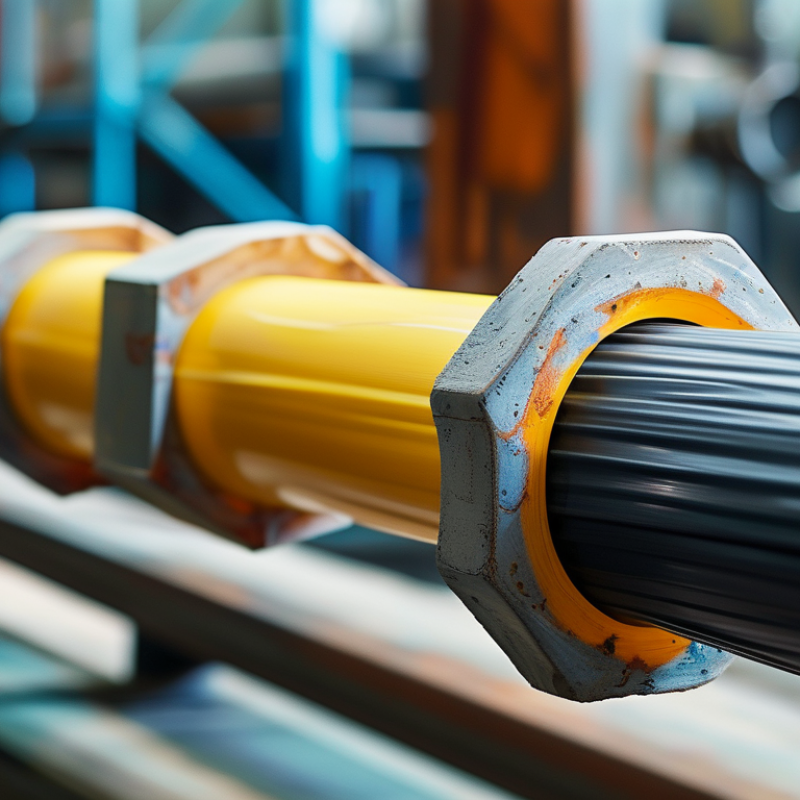
Plastic hoses offer numerous advantages for industrial applications. They are lightweight and flexible, making them easy to install and manipulate. This flexibility can significantly reduce labor costs, as workers spend less time handling heavy materials. These hoses also resist corrosion and chemicals, extending their lifespan. Facilities handling various substances can depend on plastic hoses without frequent replacements.
When selecting plastic hoses, consider their temperature ratings and compatibility with your materials. Not all hoses perform well under extreme conditions. It's crucial to test hoses under actual working conditions to ensure reliability.
Always maintain your hoses with regular inspections. Check for wear, leaks, or damage that might compromise performance. A proactive maintenance approach can save costs in the long run. Think about how you store hoses too. Proper storage prevents kinks or bends that may affect functionality. Consider labeling hoses for easy identification.
When it comes to industrial applications, plastic hoses are versatile and functional. They come in various types, each tailored for specific tasks.
Flexible plastic hoses, for example, are lightweight and resistant to chemicals. This makes them ideal for transporting liquids in factories.
However, one must be cautious as certain chemicals can degrade even durable plastics over time.
Another common type is reinforced plastic hoses. These are designed to handle higher pressures. They find use in environments where heavy-duty tasks are common, like construction sites.
Yet, users should regularly check for wear and tear. If not, the hoses may fail, causing potential accidents.
Polyurethane hoses are noteworthy for their flexibility and abrasion resistance. They are often used in pneumatic applications. Their flexibility allows for easy maneuverability.
However, improper storage can lead to kinks and reduced lifespan. This highlights the importance of proper handling and maintenance in prolonging the effectiveness of plastic hoses.
Plastic hoses are increasingly favored in industrial settings due to their remarkable durability and resistance. These hoses can withstand a range of challenging conditions. They are often resistant to chemicals and extreme temperatures, making them suitable for various applications. The lightweight nature of plastic also contributes to ease of handling. However, users should assess their specific needs carefully. Not all plastic hoses are created equal.
Depending on the environment, factors like flexibility and pressure ratings are crucial. For high-pressure applications, some plastic types may not perform well. Users should not rush into decisions. It’s vital to consider the operational demands and review test data or case studies. This approach ensures selected hoses meet rigorous industrial standards. Furthermore, while plastic hoses are durable, they can degrade under constant UV exposure. Regular inspections can identify issues early on.
Investing time in research pays off. Reliable information helps make informed choices regarding hose selection. Consulting with industry experts can offer valuable insights. Their experience can guide you through the decision-making process. Ultimately, the right plastic hose can enhance efficiency and safety in operations. Balancing durability with practical application needs is key. Choose wisely to avoid costly mistakes.
Plastic hoses are gaining traction in various industries due to their cost-effectiveness. They are generally less expensive than traditional materials like rubber and metal. This reduced cost can lead to significant savings, especially for large-scale projects. Companies often find that using plastic hoses lowers their overall operational costs.
Moreover, plastic hoses offer durability and longevity. They resist corrosion, reducing the need for frequent replacements. This durability translates to fewer maintenance costs over time. However, it's essential to consider specific industrial requirements. Not all plastic hoses can handle high-pressure environments. Making the right choice requires careful evaluation of each application.
Sustainability also plays a role in this equation. Many plastic hoses are recyclable, aligning with green initiatives in industry. While the initial investment is lower, businesses must be aware of the environmental impact. Balancing cost and sustainability can be challenging. Ultimately, understanding the context of use is crucial for making informed decisions.
Plastic hoses have become increasingly popular in various industrial settings, not only for their flexibility and durability but also for their environmental benefits. Unlike traditional rubber or metal hoses, plastic hoses are often manufactured from materials that can be recycled. This recycling process reduces waste and minimizes the overall carbon footprint of industrial operations. In many cases, plastic hoses can be reprocessed to create new products, which fosters a more sustainable approach to manufacturing.
The production of plastic hoses generally requires less energy than that of their metal counterparts. This lower energy consumption contributes to fewer greenhouse gas emissions. However, the question of their environmental impact does not end there. Not all plastic formulations offer the same level of sustainability. Some contain additives that can be harmful to the environment after disposal. It is essential for industries to choose high-quality, environmentally friendly plastics to ensure a positive impact.
Selecting the right type of plastic hose can be a complex decision. It involves balancing performance with environmental responsibility. Ultimately, while plastic hoses provide substantial advantages, it is vital to remain mindful of their long-term implications. Continuous research and development will help improve the sustainability of these products. As industries progress, the choice of materials should reflect a commitment to both efficiency and eco-friendliness.
: Plastic hoses are lightweight, resistant to chemicals, and versatile for various tasks. They can effectively transport liquids.
Regularly check for wear and tear. Neglecting this can lead to hose failure, causing potential accidents.
Their flexibility and abrasion resistance allow for easy maneuverability in dynamic environments.
Many plastic hoses are recyclable. This reduces waste and minimizes carbon footprints in industrial operations.
No, some contain harmful additives. It's crucial to choose high-quality, eco-friendly plastics for positive environmental impact.
Improper storage, like kinks, can reduce their lifespan. Proper handling and maintenance are essential for effectiveness.
The production of plastic hoses usually requires less energy than metal hoses, leading to fewer greenhouse gas emissions.
It involves balancing performance and environmental responsibility. Long-term implications should not be overlooked.
They should reflect a commitment to efficiency and eco-friendliness in their choice of materials.
Continuous research and development can help improve the sustainability and functionality of plastic hoses over time.
Plastic hoses have increasingly become a preferred choice for various industrial applications due to their numerous benefits. These hoses offer versatility, lightweight construction, and resistance to a wide range of chemicals, making them suitable for diverse tasks. Additionally, different types of plastic hoses are available, each designed for specific uses, contributing to efficiency and productivity in industrial settings.
Moreover, the durability and resistance of plastic hoses against environmental factors ensure they last longer, reducing the need for frequent replacements. Their cost-effectiveness is another compelling advantage, as they often present lower initial and maintenance costs compared to traditional materials. Lastly, plastic hoses exhibit a favorable environmental impact, being recyclable and promoting sustainability within industrial operations. In summary, the attributes of plastic hoses make them an excellent choice for meeting the evolving needs of the industry.

Orient Flex