In today’s industrial landscape, the importance of selecting the right materials for operations cannot be overstated. Industrial hoses, designed for a wide range of uses, play a crucial role in various sectors. According to a recent report from the Industrial Hose Association, the market for industrial hoses is projected to grow by 4.5% annually, reflecting their essential function in manufacturing, construction, and agriculture.
Industrial hoses are engineered to withstand extreme conditions. They provide the durability needed for transporting liquids, gases, and bulk materials. However, not all hoses are created equal. Some businesses may opt for cheaper alternatives, which often leads to costly failures. A study showed that improper hose selection can increase maintenance costs by 30%. Thus, understanding the specific needs of your business is key.
The right industrial hose contributes not only to operational efficiency but also to safety. Poorly chosen hoses can lead to leaks or bursts, posing risks to workers. Investing in strong, reliable hoses is essential for reducing downtime and ensuring compliance with industry standards. As industries evolve, so does the technology behind industrial hoses. Staying informed is a necessity.
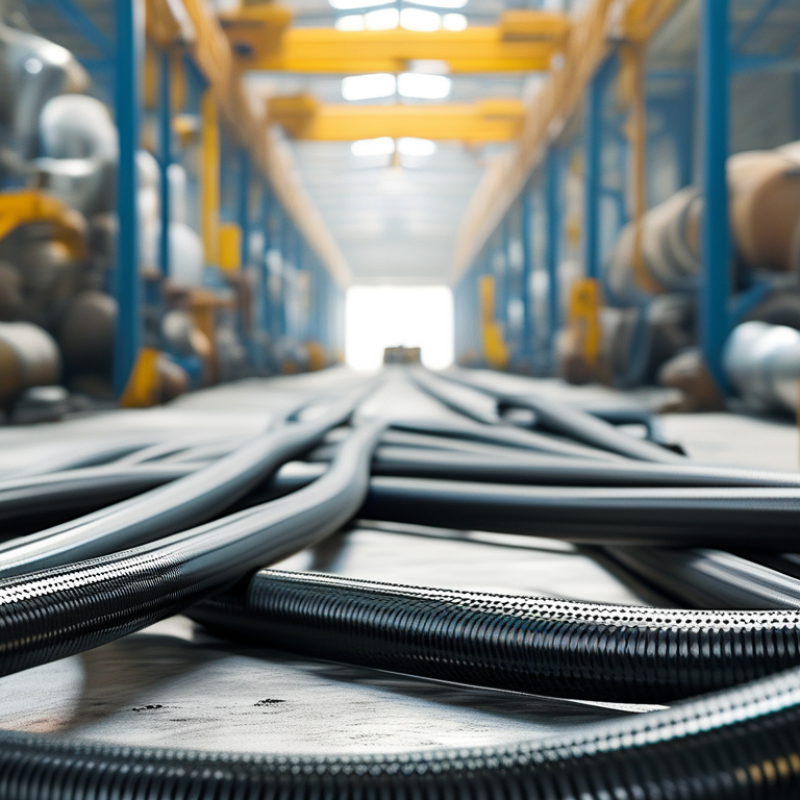
Understanding the Importance of Industrial Hoses in Various Industries
Industrial hoses play a critical role in various sectors. Industries like manufacturing, construction, and agriculture rely on these hoses for efficient operations. According to a report by Grand View Research, the global industrial hose market is expected to reach $19.9 billion by 2025. This reflects a growing demand in different applications.
In manufacturing, hoses transport liquids, gases, and powders. These materials can be abrasive, corrosive, or high-temperature, which means hoses must withstand tough conditions. Failure to select the right hose can lead to leaks or bursts, resulting in significant downtime and costly repairs. A study by MarketsandMarkets found that improper hose selection increases maintenance costs by up to 30%.
Agricultural operations also depend on industrial hoses for irrigation and chemical application. Here, flexibility and durability are essential. Hoses must ensure safe and efficient transport of water or fertilizers. Industry data indicate that proper hose management can improve yield by up to 20%. However, neglecting maintenance can quicken wear and tear, leading to inefficiencies.
Key Features of Industrial Hoses for Enhanced Performance and Durability
Industrial hoses play a crucial role in various sectors, including manufacturing and construction. They are designed to handle high pressures, resist abrasions, and endure extreme temperatures. For instance, reports indicate that 40% of hose failures are due to improper installation. Choosing the right type can significantly reduce these failures.
One notable feature of industrial hoses is their materials. Many are made from rubber, vinyl, or thermoplastic. Each material offers specific benefits. Rubber hoses generally resist heat and aging better than other types. Meanwhile, thermoplastic hoses can be lighter and more flexible. According to a recent study, hoses made from high-quality materials can last up to three times longer than standard options.
Another critical aspect is the hose's construction. Reinforcement layers enhance durability and pressure capabilities. For example, hoses with multiple layers can handle pressures exceeding 300 psi. Notably, 55% of users report a decrease in maintenance costs after upgrading to reinforced hoses. Understanding these features helps businesses make informed choices. The right industrial hose ensures efficiency and safety, ultimately contributing to better operational performance.
Different Types of Industrial Hoses and Their Specific Applications
Industrial hoses come in various types, each suited for specific applications. These hoses are essential for transporting different materials in various industries. Some common types include rubber hoses, PVC hoses, and stainless steel hoses. Rubber hoses are flexible and can handle high-pressure applications. They are ideal for dispensing liquids and gases. PVC hoses, on the other hand, are lightweight and resistant to chemicals. These are commonly used in agricultural applications for irrigation.
Stainless steel hoses offer exceptional durability and flexibility. They are often used in extreme environments, such as chemical plants or food processing. Their resistance to corrosion makes them reliable for transporting hazardous materials. Each type of hose has its strengths and weaknesses. Understanding these characteristics helps businesses make informed decisions. Choosing the right hose for the right application is crucial. It ensures safety and efficiency in operations.
However, users may face challenges. Not all hoses are compatible with every fluid or gas. Sometimes, mismatched hoses cause leaks or failures. It’s essential to review specifications and consult experts. Misunderstanding hose properties can lead to costly mistakes or potential hazards. Always prioritize safety and reliability when selecting industrial hoses for your needs.
Factors to Consider When Choosing an Industrial Hose for Your Business
Choosing the right industrial hose is crucial for operational efficiency. Start by considering the materials. Hoses made from rubber offer flexibility, while those made of PVC provide chemical resistance. Think about the working temperature and pressure as well. Some hoses will buckle under extreme conditions. This decision should not be rushed. Analyze the specific use case, including the types of fluids being transported.
Next, evaluate the hose dimensions. Diameter plays a significant role in flow rate. A hose too narrow can restrict flow, while one that’s too wide may lead to inefficiency. Installation and maintenance costs also matter. A hose that’s difficult to install can lead to downtime. Closely examine the fittings and connections too. They must match your equipment’s requirements perfectly.
Additionally, certification and compliance with standards are vital. Look for hoses that meet industry specifications. This can often dictate reliability. Seeking expert opinions can provide insight, but be wary. Not all recommendations may suit your unique needs. It’s essential to conduct thorough research. Testing new hoses in a controlled environment can help identify potential issues before full-scale implementation.
Comparative Advantages of Industrial Hoses Over Other Hose Types
Industrial hoses offer unique advantages that set them apart from other hose types. They are engineered for specific applications, providing durability and flexibility. According to a report by Research and Markets, the global industrial hose market is projected to reach $15.3 billion by 2025, reflecting increasing demand across various sectors. This growth is primarily driven by industries such as construction and agriculture, where robust solutions are essential.
One key benefit of industrial hoses is their resistance to extreme conditions. They can withstand high pressure and temperatures, making them ideal for heavy-duty tasks. For instance, a study from IBISWorld found that industrial hoses used in hydraulic applications can operate under pressures exceeding 3,000 psi. This capability is crucial for maintaining safety and efficiency in operations. However, while these hoses excel under tough conditions, they also require regular inspections to avoid potential failures.
Moreover, the materials used in industrial hoses are often superior to those found in standard hoses. Synthetic rubber, thermoplastics, and steel reinforcements offer enhanced reliability. Some industrial hoses provide resistance to chemicals, oils, and abrasion. This adaptability broadens their applicability but also necessitates careful selection based on the intended use. While industrial hoses can be more expensive upfront, their lifespan can offset initial costs, leading to long-term savings.
Why Choose Industrial Hose for Your Business Needs? - Comparative Advantages of Industrial Hoses Over Other Hose Types
| Hose Type |
Durability |
Temperature Resistance |
Pressure Rating |
Flexibility |
Applications |
| Industrial Hose |
High |
-40°F to 200°F |
Up to 300 PSI |
Very Flexible |
Chemical transfer, construction, agriculture |
| Garden Hose |
Moderate |
32°F to 100°F |
Up to 150 PSI |
Flexible |
Watering plants, lawn care |
| Rubber Hose |
High |
-20°F to 180°F |
Up to 200 PSI |
Moderate Flexibility |
General purpose, air tools |
| PVC Hose |
Low to Moderate |
32°F to 140°F |
Up to 100 PSI |
Less Flexible |
Light duty, water transfer |
FAQS
: Industrial hoses are crucial for efficient operations in manufacturing, construction, and agriculture. They transport liquids, gases, and powders.
Selecting the wrong hose can cause leaks or bursts. This leads to costly repairs and significant downtime.
Improper selection can increase maintenance costs by up to 30%. This can strain budgets and resources.
Key features include resistance to abrasions, high pressures, and extreme temperatures. These ensure reliable performance.
Different materials like rubber and thermoplastic have specific benefits. Rubber hoses resist heat better, while thermoplastic ones are lighter.
Proper hose management can improve crop yield by up to 20%. Neglecting maintenance can lead to inefficiencies and waste.
Hose construction with multiple reinforcement layers enhances durability. It allows hoses to handle pressures exceeding 300 psi.
Upgrading to reinforced hoses can decrease maintenance costs. About 55% of users report savings after making this switch.
Poor installation is responsible for 40% of hose failures. This highlights the need for proper training and practices.
Businesses must consider materials, construction, and application needs. Making informed choices is essential for efficiency and safety.
Conclusion
Industrial hoses play a crucial role in various industries due to their ability to handle specific fluids and materials effectively. Understanding the significance of industrial hoses involves recognizing their key features, such as enhanced performance and durability, which are essential for operational efficiency. Different types of industrial hoses cater to specific applications, making it vital for businesses to consider their particular needs when selecting the right hose.
When choosing an industrial hose, factors such as size, material compatibility, and working pressure must be taken into account to ensure optimal performance. Compared to other hose types, industrial hoses offer comparative advantages, including increased longevity and resistance to harsh environments, making them a reliable choice for industrial applications. In summary, selecting the appropriate industrial hose is critical to the success and safety of business operations across various sectors.

 Orient Flex