Choosing the right PVC hoses can significantly impact your projects. These versatile tubes are used in various applications, from gardening to industrial uses. However, with so many options available, making the right choice can be challenging.
It’s essential to consider durability and flexibility when selecting PVC hoses. Some hoses are designed for high-pressure environments, while others work well for general use. Knowing the specific needs of your project can guide your decision. Pay attention to hose length, diameter, and temperature tolerance for optimal performance.
In the market, not all PVC hoses are created equal. Some products may claim high quality but fall short in real-life scenarios. Customer reviews and expert recommendations can help you discern which options are reliable. By focusing on reputable brands, you enhance your chances of finding suitable PVC hoses for your needs.
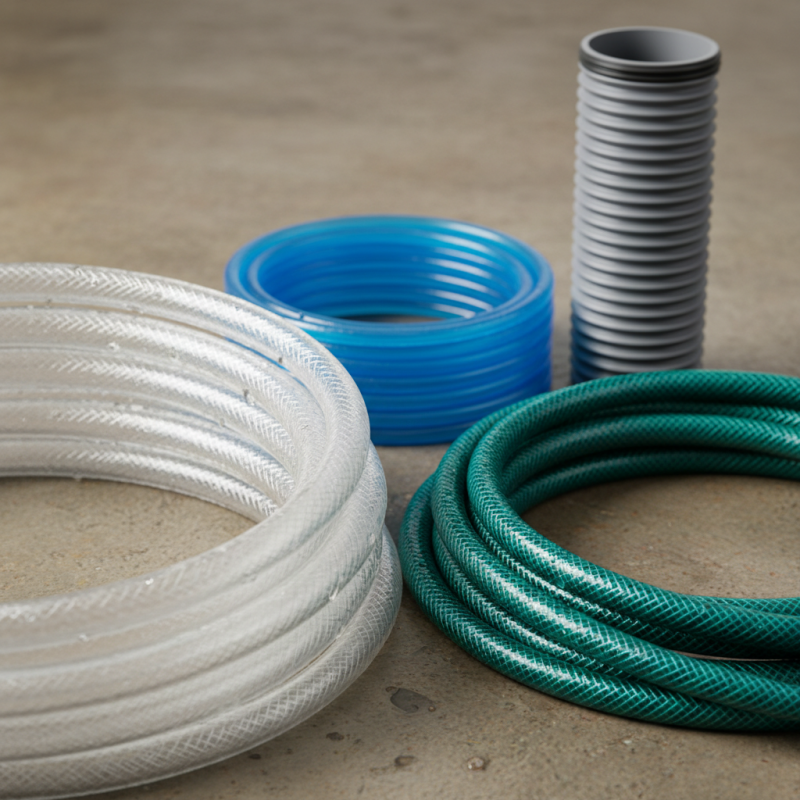
PVC hoses are essential in various applications due to their versatility and durability. Understanding the basics of PVC hoses can help you make informed choices. These hoses come in different formulations, each suited for specific tasks like irrigation, drainage, or industrial uses. They are lightweight and flexible, making them user-friendly.
When selecting PVC hoses, consider the working temperature and pressure. Different hoses can handle different conditions. Always check the specifications before use. It's also wise to assess the hose's chemical resistance if your application involves chemicals or solvents.
Tips: Inspect hoses regularly for signs of wear and tear. A small crack can lead to significant leaks. Additionally, store hoses properly to prevent damage from UV exposure. Good maintenance can extend the life of your hoses and improve reliability. Choose wisely to ensure you meet your specific needs without compromising on quality.
When evaluating PVC hoses, key features play a crucial role in their selection. One important factor is flexibility. A hose that is too rigid can lead to kinks and blockages. In a recent report, 70% of users noted that flexible hoses improved efficiency in their applications. It's vital to assess the hose's diameter as well. A larger diameter allows for higher flow rates, which can be essential for tasks that require quick water supply.
Durability is another aspect worth considering. PVC hoses are often rated based on their resistance to chemicals and UV exposure. Reports indicate that hoses with enhanced chemical resistance can last 35% longer in harsh environments. Users should also focus on the pressure ratings of hoses, as inadequate ratings can result in failures. A thorough review of these specifications ensures a hose can withstand the demands of its intended use.
Not all PVC hoses are created equal. Some may not perform well under extreme temperatures. For instance, the effectiveness of a hose can diminish if exposed to freezing conditions. Similarly, choices made based on initial cost rather than long-term performance can lead to higher replacement costs. Reflecting on these factors can guide users in making informed decisions that enhance their operational efficiency.
When selecting a PVC hose, identifying the right size and length is crucial. A well-fitted hose ensures efficiency and durability. Measure the intended application area carefully. Consider both the inner diameter and length needed for your tasks. A narrow hose may limit water flow, while a wide hose may be cumbersome.
Additionally, think about the space you have. A longer hose offers flexibility but can also be challenging to store. Try visualizing the route the hose will take. Are there tight corners or obstacles? A more compact length might work better in constrained spaces. Evaluate how often you need to move the hose and its usual storage conditions.
Remember that choosing the correct hose isn't just about convenience; it also impacts performance. Mistakes in sizing can lead to frustrating leaks or ineffective usage. Reflect on your routine. Are you often changing locations for tasks? If so, a versatile hose length may be worth considering. An informed choice enhances your overall experience and saves time in the long run.
When choosing PVC hoses, it’s essential to consider the various types available and their unique benefits. Reinforced PVC hoses are known for their durability. They can handle high-pressure applications, making them ideal for industrial use. On the other hand, flexible PVC hoses are lightweight and easy to maneuver. They work well for garden watering and irrigation.
One should not overlook the difference in thickness. Thicker hoses tend to resist kinks and abrasion better. However, they can be heavier, impacting ease of use. It’s vital to weigh the need for strength against portability.
Tips: Always check the temperature rating of the hose. Some PVC hoses can withstand high heat, while others cannot. Don’t forget about the fittings. Compatible fittings ensure a tight seal and prevent leaks.
In addition, think about the environment where the hose will be used. For example, UV-resistant hoses are better for outdoor use. This characteristic prevents degrading from sun exposure. If you are unsure, seeking advice from industry professionals can provide clarity and guidance. This can save time and money in the long run.
Maintaining your PVC hose is crucial for longevity. Regular inspections can help identify wear or damage early. Look for cracks or discoloration. These signs indicate your hose may need replacement or repair. Ensure all connections are tight to prevent leaks.
Cleaning is another key aspect. Rinse the hose after each use to remove debris or contaminants. Use warm soap and water occasionally for a deeper clean. Rinse thoroughly to avoid buildup. Storing the hose properly can also extend its life. Avoid kinks or twists. Lay it flat in a cool, dry place away from direct sunlight.
Consider environmental factors too. UV exposure can degrade PVC over time. If your hose spends a lot of time outdoors, it may break down quicker than one stored indoors. Reflect on your usage patterns and adjust your care accordingly. A little attention goes a long way.
| Attribute | Description | Maintenance Tips |
|---|---|---|
| Material Quality | Look for high-quality PVC with UV resistance to extend hose life. | Store in a cool, dry place away from direct sunlight. |
| Hose Length | Choose an appropriate length to minimize kinking and allow for easier handling. | Avoid stretching beyond its intended length during use. |
| Diameter | Select a diameter that fits your equipment and flow requirements. | Regularly check for clogs or blockages that may restrict flow. |
| Temperature Rating | Ensure the hose can handle the temperatures it will be exposed to. | Avoid exposing the hose to extreme temperatures for prolonged periods. |
| Flexibility | A flexible hose is easier to handle and less prone to kinking. | Gently coil the hose when storing and avoid sharp bends. |
: Flexibility is key. Rigid hoses can kink and block.
Larger diameters enable higher flow rates, essential for quick water supply tasks.
Durable hoses resist chemicals and UV exposure, lasting longer in harsh conditions.
Inadequate pressure ratings can cause hose failures, endangering your tasks.
No, some hoses perform poorly in freezing conditions. It’s crucial to check ratings.
Thicker hoses resist kinks but may be heavier. Balance strength and portability.
Some hoses handle high heat; others don’t. It’s vital for performance and safety.
Compatible fittings ensure tight seals. A loose connection can lead to leaks.
They prevent degradation from sun exposure, making them better for outdoor use.
If uncertain about selections, professional guidance can save time and funds.
Choosing the best PVC hoses for your needs involves understanding their fundamental characteristics and applications. PVC hoses are versatile and can be used in various settings, from gardening to industrial applications. Evaluating key features such as flexibility, pressure ratings, and chemical resistance is essential for making an informed decision.
Additionally, selecting the right size and length of PVC hoses is crucial for ensuring efficiency and effectiveness in their use. Comparing different types of PVC hoses can help you identify the specific benefits they offer, such as durability or lightweight designs. Finally, implementing maintenance tips can significantly prolong the life of your PVC hoses, ensuring they remain functional and reliable for your projects.

Orient Flex