Selecting the right plastic hose can significantly impact industrial efficiency. The global plastic hose market reached a value of approximately $12 billion in 2022 and is expected to grow further. With various options available, choosing the correct type for your needs requires careful evaluation.
Plastic hoses offer durability and flexibility. However, not all hoses are created equal. A recent report indicates that over 45% of improper hose selections lead to operational inefficiencies. Factors like temperature, pressure, and chemical compatibility are crucial. Inadequate consideration of these elements can result in costly system failures.
Understanding the unique properties of different plastic hoses is vital. Materials like PVC and polyurethane serve distinct purposes. Some may handle high pressures, while others excel in flexibility. Evaluating your specific application is essential. Missteps in this process often lead to wasted resources and frustrated teams. Choosing wisely ensures both safety and productivity in your operations.
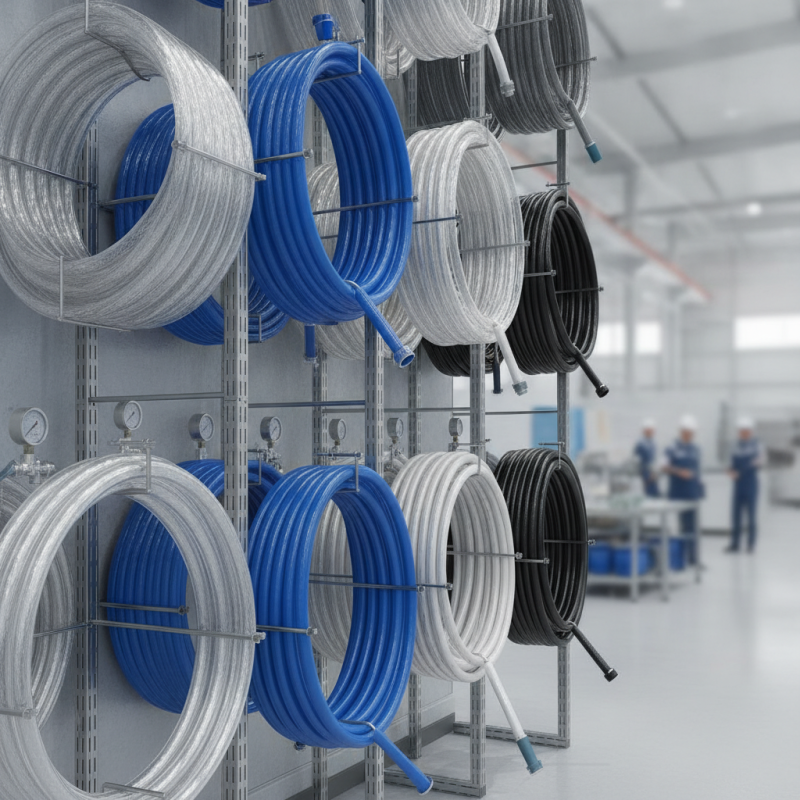
Understanding Different Types of Plastic Hoses and Their Applications
When selecting a plastic hose, it's crucial to understand the options available. Various types cater to specific requirements.
PVC hoses are lightweight and flexible, making them suitable for gardening and light industrial use.
They resist weather elements, which is a plus for outdoor tasks.
On the other hand, polyurethane hoses offer better abrasion resistance, essential in high-wear applications like pneumatic tools.
Another option includes reinforced hoses. These are typically used in high-pressure situations, useful for hydraulic applications. However, using the wrong type in these settings can lead to failure.
Consider the temperature range as well. Some hoses can't withstand high heat, affecting their longevity.
It's also important to consider the hose's diameter and length. A hose too short can lead to frustration, while one that is too long may complicate storage.
Assess the purpose and environment where the hose will be used. Sometimes, a seemingly ideal choice may fall short in practical applications. By matching the hose type to its intended use, you can increase efficiency.
Always keep in mind the specific needs of your tasks; they will guide you to the best hose for your needs.
Evaluating Material Properties: PVC, Polyurethane, and Nylon Hoses
When choosing a plastic hose, understanding the material properties is crucial. PVC, polyurethane, and nylon are three common materials, each with unique characteristics. PVC hoses are widely used for their affordability and versatility. They perform well in a range of temperatures but can be prone to kinking and hardening over time. Industry data shows that PVC hoses have a moderate operating temperature range from -20°F to 140°F.
Polyurethane hoses are more flexible and durable than PVC. Their resilience allows for better performance in tight spaces. According to recent reports, polyurethane hoses exhibit impressive abrasion resistance, making them ideal for high-wear applications. However, they may have a higher initial cost. Despite their better performance, users should consider the trade-off in pricing when selecting this material.
Nylon hoses offer high-strength and low weight, which is beneficial for various applications. They are excellent in high-pressure situations but can be sensitive to UV exposure. Studies show that nylon hoses excel in the automotive and aerospace industries due to their strength-to-weight ratio. However, potential users should be cautious of their higher cost and limited flexibility compared to other options. Balancing these material properties will lead to a more informed decision tailored to specific needs.
Sizing and Length Considerations for Maximum Efficiency
Choosing the right size and length for a plastic hose can significantly impact efficiency. A hose that is too short may limit your reach, making tasks difficult. Conversely, a hose that is excessively long can lead to pressure loss and decreased performance. It’s essential to assess your specific needs before making a decision.
When sizing a hose, consider the diameter as well. A larger diameter allows for higher flow rates but can also make the hose bulkier and more cumbersome. Measure the distance from your water source to the area of use to determine the ideal length. Err on the side of caution; a slightly longer hose provides flexibility without sacrificing efficiency.
Choosing a hose length and diameter involves some trial and error. You may find that what works well in theory does not align with real-life applications. Always test your choices before committing. Taking these steps ensures you make a well-informed decision, leading to smoother operations.
Temperature and Pressure Ratings: Ensuring Safe Operation
When selecting a plastic hose, temperature and pressure ratings are vital. These ratings determine how a hose performs under different conditions. A hose rated for high temperatures is essential for hot water applications. Lower-rated hoses can warp or burst, causing potential safety hazards. Understanding these ratings ensures you choose the right hose for your needs.
Pressure ratings also play a crucial role. A hose needs to withstand the pressure of the application it will be used for. For instance, a garden hose often works under lower pressure, while industrial hoses may require much higher ratings. If a hose is rated too low, it can lead to leaks or failures. Always check these specifications before making a purchase.
Consider the environment where the hose will be used. Temperature variations can impact the material's flexibility and durability. Exposure to UV light may weaken some plastics over time. Reflect on how the hose will be stored and used. Each situation differs, and not every hose will perform well under every condition. Knowing these factors helps ensure safe, reliable operation.
Factors Influencing Durability and Lifespan of Plastic Hoses
When selecting a plastic hose, understanding durability and lifespan is essential. Various factors play a role in how long your hose will last. Material quality is crucial. Look for hoses made from high-grade plastics that can withstand temperature extremes.
Consider the conditions in which the hose will be used. UV exposure and harsh chemicals can degrade hose materials over time.
Another key factor is flexibility. A rigid hose may crack under pressure or during use. A flexible hose is easier to maneuver and less likely to develop weaknesses. Regular maintenance is also vital. Check for kinks or cracks frequently, as these can indicate wear and tear.
Tips: Always store your hose away from direct sunlight. This simple step can significantly enhance its lifespan. If you notice any damage, replace the hose promptly. A small issue can escalate into a larger problem, impacting performance. Be mindful of the weight of the hose as well. Heavier hoses may signify better construction but can be harder to handle.
FAQS
: It's important to know the type you need and its specific requirements.
PVC hoses are lightweight and flexible, ideal for gardening and light industrial tasks.
A short hose limits reach, while a long hose can cause pressure loss.
They are best for high-pressure situations, such as hydraulic applications.
A larger diameter allows for higher flow rates but can be bulkier.
Hoses rated for high heat are essential for hot water; lower-rated ones risk warping.
It may lead to leaks or failures during operation.
Temperature changes and UV exposure can weaken the hose over time.
Yes, sometimes what appears perfect may not work well in practice.
Consider the storage and application environment to ensure reliable performance.
Conclusion
When choosing the best plastic hose for your needs, it's crucial to understand the different types available, including PVC, polyurethane, and nylon hoses, each with unique applications. Evaluating the material properties helps in selecting the right hose based on its intended use, ensuring it meets the required operational standards.
Additionally, considerations around sizing, length, temperature, and pressure ratings are essential for maximizing efficiency and ensuring safe operations. Durability and lifespan are influenced by factors such as environmental conditions and usage patterns. By carefully assessing these elements, you can select the most suitable plastic hose that meets both your functional and performance expectations.

 Orient Flex