In the intricate world of hydraulic systems, choosing the right Hydraulic Line is crucial for performance and reliability. Expert Jim Thompson, a renowned hydraulic engineer, states, “The best Hydraulic Line options can significantly impact operational efficiency.” This highlights the importance of selecting quality products in this sector.
The market offers various Hydraulic Line options that cater to global buyers. Each choice comes with its pros and cons. Material, diameter, and pressure rating are essential factors to consider. These elements contribute to the effectiveness of hydraulic systems and ultimately affect their lifespan.
Yet, not all options are created equal. Some buyers may overlook compatibility issues or fail to evaluate their specific needs. Missteps here can lead to unnecessary expenses and downtime. It's essential to approach these decisions thoughtfully, ensuring that the chosen Hydraulic Line meets both current and future requirements.
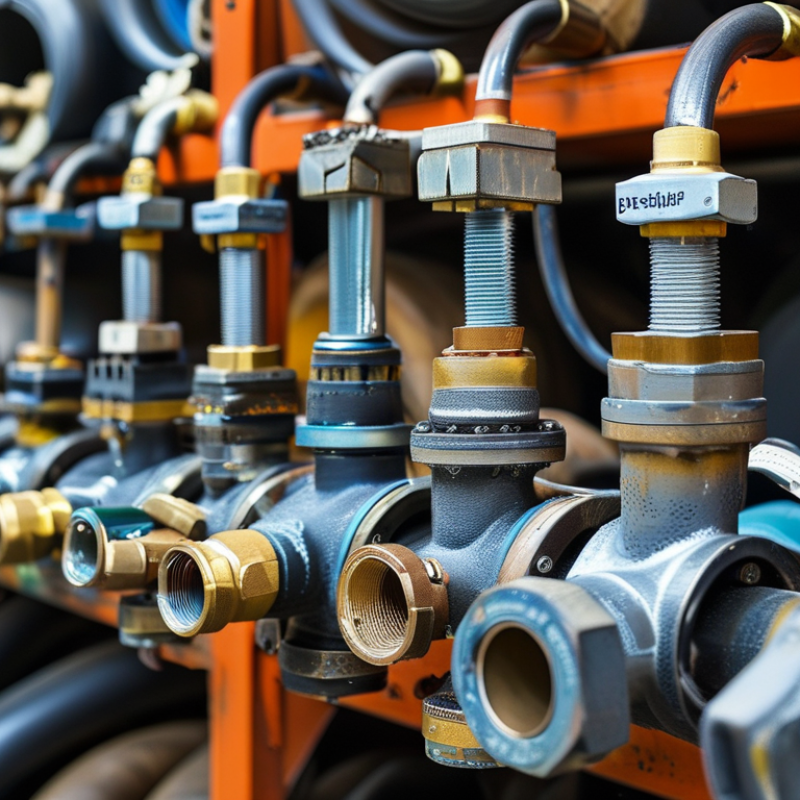
Best Types of Hydraulic Lines: A Comprehensive Overview for Buyers
Choosing the right hydraulic line is crucial for optimizing performance in various industries. Hydraulic lines must withstand high pressures and harsh environments. The choice of materials, such as rubber, thermoplastic, or metal, influences durability. According to industry reports, rubber hydraulic hoses have a low operating temperature, making them ideal for many applications. They account for approximately 40% of the global hydraulic lines market. Meanwhile, thermoplastic hoses offer flexibility and resistance to abrasions, catering to a growing demand in sectors like agriculture and construction.
Understanding the types of hydraulic lines can shift project success. Metal hydraulic lines, particularly stainless steel, provide excellent resistance to corrosion. This type has seen an increase in use, primarily due to its longevity. However, they tend to be heavier and more challenging to install. In fact, reports indicate that 30% of buyers face installation issues with metal lines. This data highlights the need for thorough training and reliable installation methods.
Buyers must also consider the pressure rating of hydraulic lines. Some lines operate efficiently under extreme conditions, but not all offer the same level of safety. Selecting a line with insufficient pressure rating can lead to failures. A staggering 25% of hydraulic failures are linked to improper line selection. Therefore, buyers should invest time in researching specifications and understanding their specific application requirements.
Comparative Analysis of Materials: Steel vs. Rubber vs. Thermoplastic
When considering hydraulic line materials, three main options emerge: steel, rubber, and thermoplastic. Each material has unique characteristics that influence their performance and suitability for various applications.
Steel hydraulic lines are renowned for their durability and high-pressure tolerance. They can withstand extreme temperatures and resist punctures. According to industry reports, steel lines carry hydraulic fluid effectively under pressures exceeding 5,000 psi. However, they can be heavy and less flexible. This can result in challenging installations in tight spaces.
Rubber hydraulic lines, on the other hand, offer superior flexibility. They can easily navigate complex routing in machinery. Their lightweight nature makes them more manageable. Yet, they may degrade faster when exposed to certain chemicals. Data shows that while rubber hoses are suitable for pressures up to 2,500 psi, their lifespan can be significantly reduced under harsh environmental conditions.
Thermoplastic lines present a middle ground, combining some benefits of both steel and rubber. They are lightweight and flexible, with a resistance to abrasion and chemicals. Reports indicate that thermoplastic lines can operate effectively at pressures up to 3,000 psi. However, questions remain regarding their long-term performance under varying temperature conditions. Each option requires careful consideration based on specific application needs and environmental factors.
Key Factors Influencing Hydraulic Line Selection for Global Markets
When selecting hydraulic lines, several factors must be considered. Material selection is paramount. Rubber and plastic lines may provide flexibility, while steel lines offer durability. The environment in which the lines will operate also plays a critical role. For instance, extreme temperatures and potential exposure to chemicals can dictate line choice. Each application requires a methodical evaluation of these elements.
Pressure ratings are essential too. Lines must withstand the system's required pressures. Underrating can lead to catastrophic failures. Additionally, the understanding of international standards is vital. Different regions may have specific regulations regarding hydraulic components. This knowledge can help avoid costly mistakes.
Quality assurance should not be overlooked. Testing for leaks and integrity is a basic step but often neglected. Not all suppliers provide the same level of reliability. A thorough vetting of suppliers can prevent future issues. Engaging with industry experts can also enhance decision-making. Their insights can guide buyers, especially when navigating unfamiliar markets.
What are the Best Hydraulic Line Options for Global Buyers? - Key Factors Influencing Hydraulic Line Selection for Global Markets
| Hydraulic Line Type |
Material |
Temperature Range (°C) |
Pressure Rating (bar) |
Flexibility |
Application Suitability |
| Steel Braided Hose |
Steel |
-40 to 100 |
200 |
Moderate |
Construction Equipment |
| Rubber Hose |
Rubber |
-20 to 80 |
120 |
High |
Agricultural Machines |
| Thermoplastic Hose |
Thermoplastic |
-40 to 90 |
150 |
Very High |
Marine Applications |
| Stainless Steel Hose |
Stainless Steel |
-60 to 250 |
300 |
Low |
Chemical Processing |
| Wire Reinforced Hose |
Composite |
-30 to 100 |
180 |
Moderate |
Industrial Machinery |
Market Trends: Demand Growth in Hydraulic Systems and Line Manufacturing
The demand for hydraulic systems continues to grow, driven by various sectors such as construction and automotive. According to a recent market analysis, the hydraulic systems market is projected to reach $40 billion by 2028, reflecting a CAGR of around 5% from 2022. This growth underpins the expanding need for quality hydraulic lines. Manufacturers are innovating to meet these demands, focusing on durability, efficiency, and cost-effectiveness.
One critical aspect in manufacturing hydraulic lines is material selection. High-quality materials, such as thermoplastic and steel, enhance performance and longevity. Reports suggest that thermoplastic hydraulic lines offer 30% more flexibility than traditional options. However, quality assurance remains a challenge. Ensuring compliance with industry standards requires rigorous testing and validation processes. Many manufacturers still face difficulties in maintaining consistent quality across their production lines.
Investing in advanced manufacturing technologies is crucial. Automation can streamline production, improve precision, and reduce lead times. Regular training for staff in new technologies can also enhance output quality. Buyers should consider evaluating suppliers based on their commitment to quality control. Seeking certifications can be a key factor. Choosing suppliers adept in meeting global standards can mitigate risks associated with supply chain disruptions.
Safety Standards and Regulations for Hydraulic Lines Across Different Regions
When selecting hydraulic lines, understanding the safety standards across regions is crucial. Different countries enforce varying regulations that impact materials and design. For example, in North America, the Society of Automotive Engineers (SAE) sets forth guidelines to ensure hydraulic lines can safely handle high pressures. In contrast, European regulations often emphasize environmental considerations and material safety.
Complying with these standards isn't merely about staying legal; it also enhances reliability. Buyers must investigate the specific requirements of their target market. For some regions, certification marks indicate compliance. Additionally, specific tests must be passed to confirm durability and safety, such as burst and impulse tests.
Navigating these complexities can be daunting. Buyers might find themselves overwhelmed by the array of standards. There are often gaps in understanding local requirements that could lead to mistakes. Striking a balance between cost-effectiveness and adherence to safety standards is challenging. Continuous education and collaboration with local experts can guide buyers through this intricate landscape.
FAQS
: The right hydraulic line optimizes performance in various industries. It withstands high pressures and harsh environments effectively.
Common materials include rubber, thermoplastic, and metal. Each has unique benefits affecting durability and flexibility.
Rubber hoses have low operating temperatures and are ideal for many applications. They make up about 40% of the market.
Metal lines, especially stainless steel, offer excellent corrosion resistance and longevity. However, they can be heavier and harder to install.
Pressure ratings affect safety and efficiency. Insufficient ratings can lead to failures, causing approximately 25% of hydraulic failures.
Different countries have unique regulations influencing material and design choices for hydraulic lines. Understanding these is essential for compliance.
Lines must pass tests like burst and impulse tests to confirm durability and safety according to regional standards.
Continuous education and collaboration with local experts can help buyers understand and meet safety standards effectively.
Buyers may feel overwhelmed by varying safety regulations and risks of improper selection. It’s crucial to research thoroughly.
Yes, navigating regional regulations can be challenging, leading to potential compliance mistakes. Awareness and education are vital.
Conclusion
The article "What are the Best Hydraulic Line Options for Global Buyers?" provides a comprehensive overview of the best types of hydraulic lines available in the market. It delves into a comparative analysis of various materials, specifically examining the advantages and disadvantages of steel, rubber, and thermoplastic hydraulic lines. Buyers are guided on key factors influencing their selection, which include the application, environmental conditions, and pressure requirements.
Moreover, the article highlights current market trends, noting a significant growth in demand for hydraulic systems and line manufacturing worldwide. It also addresses the importance of adhering to safety standards and regulations that vary across different regions, ensuring that global buyers are equipped with the necessary knowledge to make informed decisions regarding hydraulic line purchases.

 Orient Flex