In the world of hydraulic systems, choosing the right hydraulic hose is crucial. As John Weathers, a leading hydraulic industry expert, states, "Selecting the right hydraulic hose is the backbone of any successful hydraulic project." With numerous options available, it can be challenging to navigate the market effectively.
Hydraulic hoses vary significantly in material, pressure rating, and application. Proper selection impacts the performance and safety of hydraulic systems. Factors such as operating temperature and fluid compatibility must be considered. A mismatch here could lead to leaks or system failures, which can be costly.
Many users overlook the importance of regular inspections for wear and damage. This often leads to unexpected breakdowns. Experienced professionals advise that maintenance should be a priority. Investing time in understanding hydraulic hoses can save headaches down the road and enhance project outcomes.
Understanding Hydraulic Hoses: Types and Applications
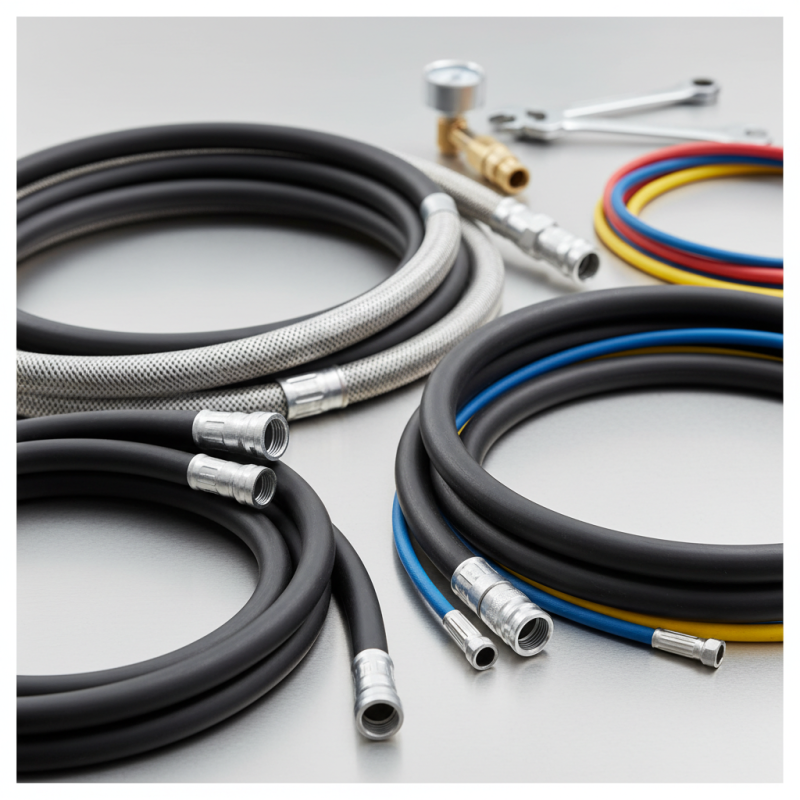
Hydraulic hoses are crucial components in various industries. They transmit fluid and power efficiently. Understanding the different types of hydraulic hoses can significantly impact project success. Key types include industrial hoses, high-pressure hoses, and specialty hoses. Each type offers unique advantages based on the application.
Industrial hoses are commonly used in factories. These hoses often handle lower pressure levels, ideal for general fluid transport. High-pressure hoses, however, are designed to withstand intense pressure. They are critical in heavy machinery applications. Specialty hoses cater to specific needs, such as extreme temperatures or chemicals.
Choosing the right hose requires careful consideration. Factors such as fluid type, pressure rating, and environmental conditions play a big role. Even small mistakes can lead to serious consequences. Reflecting on past experiences helps improve decision-making. It's essential to evaluate hose applications continuously, ensuring optimal efficiency and safety in projects.
Key Factors to Consider When Selecting Hydraulic Hoses
When selecting hydraulic hoses, a few key factors should guide your decision. First, consider the working pressure of your application. Knowing the required pressure helps to avoid failures. Hoses come with different pressure ratings; selecting one that can handle your project's demands is crucial. Failure to do so may result in leaks or bursts, leading to downtime.
Next, analyze the temperature range. Hydraulic fluids can reach high temperatures, affecting hose performance. Ensure that the hose material can withstand these conditions. A mismatch can lead to reduced efficiency. Look for hoses that specify a suitable temperature range for your application.
Finally, take note of the fluid compatibility. Different fluids can react differently with hose materials. Using the wrong combination can lead to degradation of the hose. Always check the chemical compatibility before making a choice. These factors require careful consideration. It's important to review all options and potentially seek advice from experts in the field.
Best Hydraulic Hose Options for Your Projects
Top Hydraulic Hose Brands and Their Features
Hydraulic hoses are essential for many projects, providing the necessary strength and flexibility. When choosing the best options, several brands stand out in the market due to their unique features. Each brand brings something different, catering to various needs in hydraulic applications.
One notable feature is the hose's durability. Some brands use advanced materials, ensuring longevity in tough environments. These hoses can resist abrasions and temperature fluctuations. They also support high pressure, essential for many industrial applications. However, it's crucial to check compatibility with your specific machinery. Not all hoses work seamlessly together.
Another aspect to consider is flexibility. Some hoses are designed to bend easily, which is perfect for tight spaces. This trait can make installation much simpler. But flexibility might come with trade-offs in pressure resistance. Users may need to reflect on the trade-offs between durability and flexibility to find the right balance for their projects.
In conclusion, choosing the right hydraulic hose involves careful consideration of various features. Balancing durability, flexibility, and compatibility will ensure a successful project outcome.
Maintenance Tips for Prolonging Hydraulic Hose Lifespan
Proper maintenance is crucial for prolonging the lifespan of hydraulic hoses. Research shows that a significant portion of hydraulic system failures is linked to hose issues. A study by the National Fluid Power Association indicates that more than 30% of hydraulic failures arise from poor hose maintenance. Regular inspection is essential to detect wear and damage early. Look for abrasions, leaks, and cuts. These signs can indicate an imminent hose failure.
Maintaining the correct operating temperature is equally important. Excessive heat can degrade hose materials. According to industry reports, hoses can lose up to 50% of their lifespan in extreme temperature conditions. Always ensure that your hoses are protected from high heat sources. Additionally, keeping hoses clean and free from contaminants can prevent premature failure. Regular cleaning reduces risks associated with dirt and debris entering the system.
Using correct storage practices also contributes to hose longevity. Coiling hoses loosely and avoiding tight bends protects against kinking and crushing. Some reports recommend verifying compatibility with fluids to minimize chemical damage. Even routine checks should not be overlooked, as minor issues can escalate quickly. By implementing these maintenance strategies, you can help ensure that your hydraulic hoses perform efficiently for a longer duration.
Safety Standards and Regulations for Hydraulic Hoses
Hydraulic hoses are crucial for many industries, but safety standards are often overlooked. According to the National Fluid Power Association (NFPA), improper usage of hydraulic hoses can lead to serious workplace accidents. Understanding industry standards ensures safer operations.
The American Society for Testing and Materials (ASTM) sets guidelines for hydraulic hoses. They specify material properties, performance, and testing methods. Compliance with these standards is essential for durability and safety. Hoses must endure high pressure and extreme temperatures. Failure to adhere to these guidelines can result in catastrophic failures.
A recent study revealed that about 30% of hydraulic hose failures are due to non-compliance with safety standards. Regular inspections and maintenance can mitigate these risks. Employees should be trained on hose management and safety practices. Awareness and adherence to regulations can prevent injuries and save costs in the long run.
Conclusion
Hydraulic hoses play a crucial role in various industrial and construction applications, with different types designed for specific tasks. Understanding the different categories and their respective uses is essential for ensuring optimal performance in projects. When selecting a hydraulic hose, key factors such as temperature tolerance, pressure ratings, and compatibility with hydraulic fluids should be taken into account to ensure reliability and safety.
To prolong the lifespan of hydraulic hoses, regular maintenance practices, such as checking for leaks and ensuring proper storage conditions, are vital. Additionally, adherence to safety standards and regulations helps prevent accidents and enhances the efficiency of hydraulic systems. By considering these aspects, one can make informed decisions on the best hydraulic hose options suited for their projects, ultimately leading to improved productivity and safety in operations.

 Orient Flex