Best Duct Hose Options for Your Global Sourcing Needs?

Time:2026-05-22 Author:Isabella
0%

In today's competitive market, selecting the right Duct Hose is crucial. Companies face challenges in sourcing reliable products efficiently. The variety of Duct Hose options can be overwhelming.

Understanding the specific needs of your operation is vital. Different materials and designs serve various purposes. For instance, flexible Duct Hoses may offer ease of installation, while sturdier options provide durability. Factors like temperature resistance and material composition must not be overlooked.

Global sourcing requires attention to detail. You need a supplier who understands your requirements. Trust is key, as a poor choice can lead to operational setbacks. Evaluating options carefully can save time and money in the long run. The right Duct Hose can enhance your project's success, but this decision should be made thoughtfully.
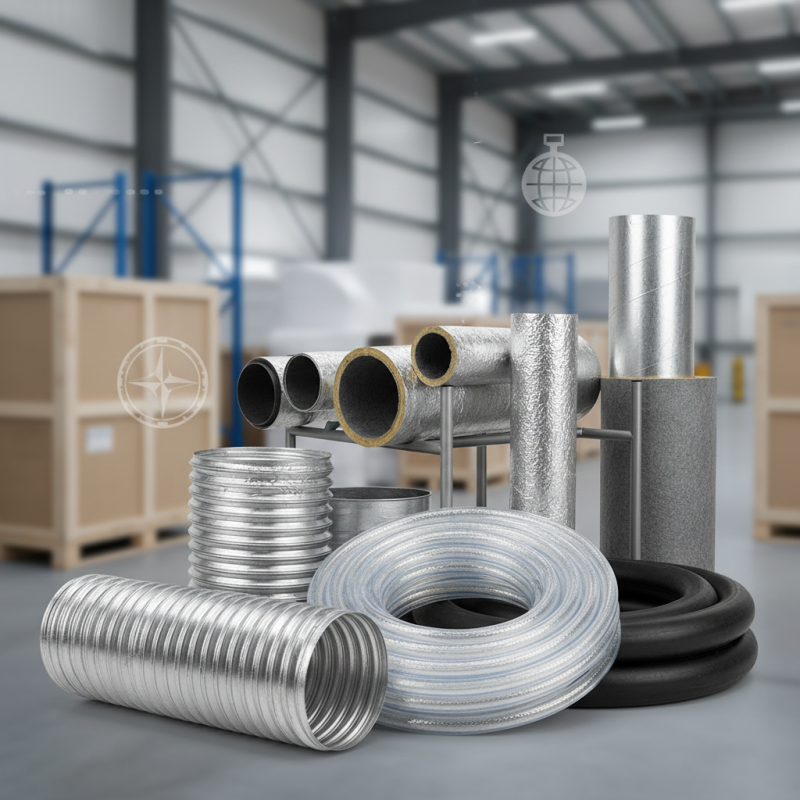
Best Duct Hose Options for Your Global Sourcing Needs?

Understanding Duct Hose Types: An Overview for Global Sourcing Needs

When sourcing duct hoses, understanding the various types is crucial. Duct hoses are vital for many industries, including HVAC, manufacturing, and medical. These hoses come in different materials and designs. Each type serves specific needs. Common materials include PVC, rubber, and nylon. Each offers unique benefits like flexibility, durability, and resistance to chemicals.

Choosing the right duct hose requires careful consideration. For example, flexible hoses are ideal for tight spaces. Rigid hoses provide excellent airflow. You may face challenges when selecting the best option. Not all hoses perform the same in all environments. A thorough evaluation of the working conditions is essential.

It’s also important to reflect on your specific requirements. Assess the temperature ranges and airflow needs in your application. Costs can vary widely based on these factors. A lower price does not always mean better value. The right choice will improve efficiency and safety in operations.

Key Factors to Consider When Sourcing Duct Hoses Internationally

When sourcing duct hoses internationally, several key factors come into play. The global market for ducting solutions is projected to grow significantly. According to a recent industry report, the duct hose segment alone is expected to reach a valuation of over $1.2 billion by 2026. This highlights the increasing demand for high-quality duct hoses across various sectors, including HVAC, manufacturing, and automotive.

Quality is paramount when selecting duct hoses. Look for materials that can withstand extreme temperatures and corrosive elements. Performance metrics like flexibility, durability, and pressure ratings are essential. Inconsistent quality can lead to failures in critical applications. Conduct thorough assessments of potential suppliers to ensure they adhere to strict quality standards.

Cost considerations should also factor into your sourcing decisions. A cheaper price often correlates with lower quality, affecting long-term performance. Reports indicate that businesses may overlook inspection protocols to save costs, which can lead to costly replacements. Establishing strong relationships with reliable suppliers can mitigate these risks. Ultimately, a well-informed approach, focusing on quality and supplier credibility, is crucial in navigating global duct hose sourcing.

Comparative Analysis of Materials Used in Duct Hoses

When selecting duct hoses for various applications, understanding the materials is crucial. Different materials offer unique benefits and drawbacks. Common duct hose materials include PVC, rubber, and silicone. Each of these has distinct properties that impact durability, flexibility, and temperature resistance.

PVC duct hoses are lightweight and resistant to chemicals. They are often used in less demanding environments. However, they may not withstand high temperatures well. Rubber hoses, on the other hand, are more robust and flexible. They excel in high-temperature applications but can be heavier. Silicone hoses offer excellent heat resistance and flexibility, making them ideal for extreme conditions. Yet, they can be more costly.

Tip: Always match the hose material to the application. Consider temperature ranges and the substances being transported.

Choosing the right material can prevent premature wear and reduce replacement costs. Regular inspections of duct hoses can also help identify signs of wear. This proactive measure ensures efficiency and safety.

Tip: Don't overlook the importance of maintenance. Clean and inspect hoses frequently to prolong their lifespan.

Top Global Suppliers for Duct Hoses and Their Offerings

When sourcing duct hoses globally, selecting dependable suppliers is essential. Many manufacturers offer diverse materials and designs. Some focus on durability, while others prioritize flexibility. Each option has its strengths for various applications.

Top suppliers often highlight their production capabilities. They might provide options tailored for industries like HVAC, manufacturing, and aerospace. Understanding your needs helps in evaluating these offerings. Some suppliers may boast impressive certifications, but it’s vital to assess their relevance to your specific requirements.

Quality control procedures can vary widely between suppliers. Some invest heavily in testing their products, while others might overlook this aspect. Engaging with different suppliers and asking about their testing methods can yield insights. Consider requesting samples to gauge quality, as this can reveal differences not visible in product descriptions.

Cost Considerations and Budgeting for Duct Hose Procurement

When considering duct hose procurement, cost is a pivotal factor. Different materials and specifications impact the price significantly. Quality is not solely determined by cost. Cheaper options may lead to higher maintenance expenses later. It's essential to evaluate the total cost of ownership, which includes installation, long-term use, and potential replacements.

Budgeting for duct hoses requires careful planning. Gather quotes from multiple suppliers to understand market rates. This comparison helps in making informed decisions. Ensure you factor in shipping and handling fees. An overlooked aspect is the potential for bulk purchasing discounts. While it may seem like a large upfront expense, buying in bulk can provide significant savings.

Additionally, consider the purpose of the duct hose. Different applications may call for varied specifications and durability levels. It’s important to reevaluate your needs regularly. Sometimes, what seemed best at first might not hold up long-term. Seek expert advice if you're uncertain. Balancing cost with quality and suitability is crucial in optimizing your procurement process.

Best Duct Hose Options: Cost Considerations

FAQS

: What materials are commonly used for duct hoses?

: Common materials include PVC, rubber, and silicone. Each offers unique benefits and drawbacks.

What are the advantages of PVC duct hoses?

PVC hoses are lightweight and chemical-resistant. They are suitable for less demanding environments.

Are rubber duct hoses more durable?

Yes, rubber hoses are robust and flexible. They perform better in high-temperature applications, but they are heavier.

Why are silicone hoses considered ideal for extreme conditions?

Silicone hoses have excellent heat resistance and flexibility. However, they can be more expensive than other materials.

How can I choose the right duct hose material?

Match the hose material to the application. Consider temperature ranges and what substances will be transported.

Why is regular inspection of duct hoses important?

Regular inspections can identify wear signs. This proactive measure ensures efficiency and safety during use.

How can maintenance affect duct hose lifespan?

Frequent cleaning and inspection can prolong the lifespan of hoses. Neglecting maintenance may lead to premature wear.

What should I consider when choosing a supplier for duct hoses?

Evaluate their materials, designs, and production capabilities. Check if they cater to your specific industry needs.

How can I assess the quality of duct hoses from suppliers?

Ask about their quality control processes. Request samples to see differences that product descriptions may not reveal.

Are all suppliers equally reliable for duct hoses?

No, reliability varies. Some suppliers prioritize durability while others focus on flexibility. Research is essential.

Conclusion

In the quest to optimize global sourcing needs for industrial applications, understanding the various types of duct hoses is essential. Duct hoses come in different materials and configurations, each suited for specific tasks such as air movement, dust collection, and fume extraction. Key factors to consider when sourcing these hoses internationally include material durability, flexibility, temperature resistance, and compliance with safety standards.

A comparative analysis of the materials used in duct hoses reveals that options like PVC, polyurethane, and rubber each offer distinct advantages depending on the operational environment. Furthermore, identifying leading global suppliers is crucial for ensuring high-quality procurement. Budgeting for duct hose procurement should also take into account the total cost of ownership, which encompasses not only the purchase price but also potential maintenance and longevity of the hoses. By strategically evaluating these factors, businesses can make informed decisions that enhance their sourcing strategies for duct hoses.


Isabella

Isabella

Isabella is a dedicated marketing professional with a sharp focus on driving brand growth and engagement through strategic content creation. With an extensive background in digital marketing, she combines her passion for storytelling with her keen understanding of industry trends to deliver......