In the world of industrial applications, selecting the right Flexible Ducting Hose is crucial. These hoses serve a range of purposes, from transporting air to handling dust and fumes. Their versatility is a key factor for many businesses and buyers globally.
Quality and performance should be top priorities when considering options. Various materials offer different durability levels and resistance to heat or chemicals. That's where expert advice comes into play. Buyers should understand the specifications related to their needs. Not every hose is suitable for every task.
Understanding the market landscape is essential. Different suppliers provide varied options, each claiming superiority. However, assessing them through an informed lens is vital. A well-informed choice leads to increased efficiency in operations. This article explores the top flexible ducting hose options available for buyers in 2026, emphasizing reliable choices that stand the test of time.
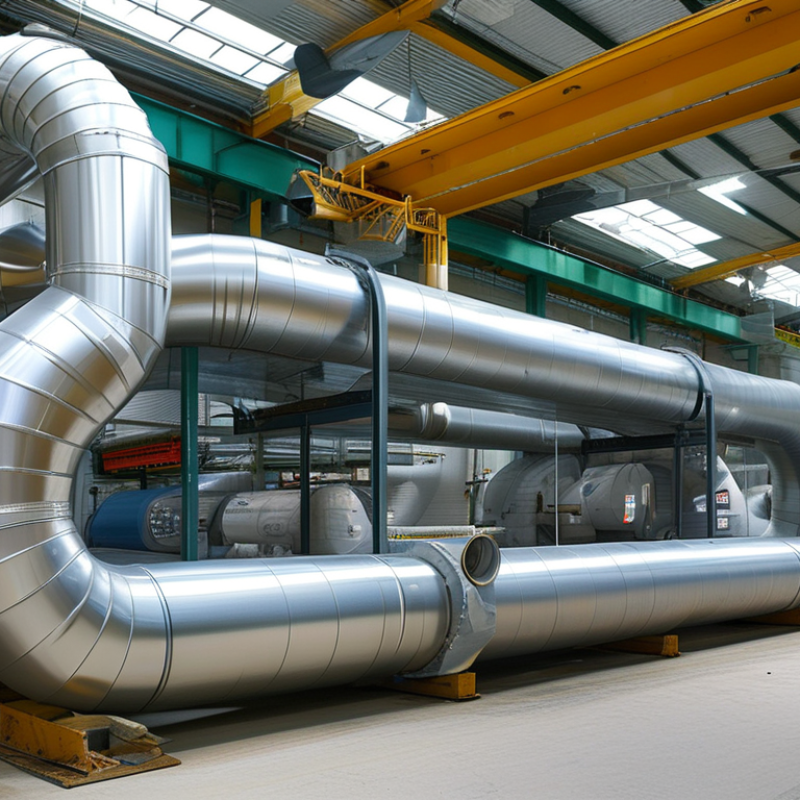
In 2026, flexible ducting hoses are diverse and essential in various industries. Ensuring the right type can maximize efficiency and safety. Common types include PVC, silicone, and polyurethane hoses, each serving distinct purposes. PVC hoses are popular for their cost-effectiveness and chemical resistance. Silicone hoses excel in high-temperature applications, making them ideal for automotive uses. Polyurethane hoses combine flexibility with durability, thriving in challenging environments.
Data from the Industry Research Institute indicates that the global market for flexible ducting hoses is projected to reach $5 billion by 2026, reflecting a compound annual growth rate of 6.5%. Users should consider aspects such as temperature range, flexibility, and compatibility with specific materials when selecting a hose.
Tips: Always check for certifications to ensure quality. Prioritize hoses with warranties to mitigate risks. Reflect on the operational conditions—mismatched hoses may lead to performance issues or safety hazards. Each type has its strengths; knowing them can enhance decision-making. Evaluate specific needs before purchasing to avoid costly mistakes.
Flexible ducting has gained popularity due to its versatility in various applications. Different materials offer distinct features that cater to specific needs. For instance, PVC ducting is lightweight and resistant to corrosion. It is suitable for a wide range of temperatures, making it ideal for many environments. Reports indicate that PVC ducting can withstand temperatures between -20°C and 60°C.
On the other hand, silicone ducting is highly flexible and can handle extreme temperatures. It remains stable from -80°C to 250°C. This temperature resilience is critical for applications in harsh environments. Additionally, its smooth surface allows for efficient airflow, reducing the risk of clogs.
There are drawbacks as well. Not all materials are suitable for outdoor use. Some flexible hoses degrade when exposed to sunlight. Buyers must evaluate specific use cases diligently. Understanding the properties of each material can prevent costly mistakes. Industry data shows that the wrong choice in ducting can lead to a decrease in operational efficiency by up to 30%. This emphasizes the importance of material selection in ducting systems.
Flexible ducting hoses play a crucial role in various industries, from HVAC systems to pneumatic applications. Leading manufacturers globally offer a diverse range of these products. They focus on quality materials and innovative designs. Commonly, these hoses are made from PVC, silicone, or rubber, providing both durability and flexibility.
When selecting a flexible ducting hose, it is essential to consider factors such as temperature resistance and airflow capacity. Some manufacturers emphasize customized solutions, catering to specific industry needs. Users may face challenges related to compatibility and installation. Regular assessments of product performance can reveal areas for improvement.
Understanding the distinct offerings of different manufacturers fosters informed choices. However, the choices can sometimes be overwhelming. Evaluating user reviews and case studies can offer valuable insights but may also present contradictions. Relying solely on marketing claims can lead to misconceptions about product capability.
| Material | Temperature Range (°C) | Diameter (mm) | Application Areas | Fire Resistance |
|---|---|---|---|---|
| PVC | -20 to 70 | 25-300 | Air Ventilation, HVAC | No |
| Silicone | -60 to 200 | 50-600 | Food Processing, Medical | Yes |
| Polyurethane | -30 to 80 | 20-120 | Dust Collection, Industrial | No |
| Rubber | -40 to 90 | 25-150 | Automotive, HVAC | Yes |
| Metal | -100 to 400 | 100-500 | Exhaust Systems, High Temp | Yes |
The flexible ducting hose market is evolving rapidly. Buyers now face various trends that shape their choices. Increased focus on energy efficiency has become essential. Many buyers prioritize hoses that help reduce energy consumption in HVAC systems. This shift impacts the selection process significantly.
Sustainability plays a crucial role as well. Eco-friendly materials are gaining traction. Buyers are more aware of the environmental impact of their choices. This awareness often leads to a preference for hoses made from recyclable materials. However, some may find it challenging to balance price with sustainability. Ultimately, a compromise might be necessary.
Customization is another trend influencing buyer decisions. Different industries require specific features in ducting hoses. For example, food processing units may need hoses that resist contamination. However, standard options may not always meet these needs. Buyers often struggle to find a suitable balance between customization and availability. This situation highlights the importance of ongoing research and thoughtful selection.
Choosing the right flexible ducting hose is crucial for various applications. Factors such as material, temperature tolerance, and flexibility must be considered. According to industry reports, more than 65% of buyers prioritize materials that withstand extreme temperatures. This is essential for sectors like aerospace and automotive.
Different applications require different specifications. For instance, a hose used in industrial settings may need a thicker wall to endure abrasion. Meanwhile, a lighter hose could suffice for less demanding environments. In a recent survey, about 70% of manufacturers indicated that they measure performance based on airflow efficiency.
Additionally, installation and maintenance can impact long-term performance. Improper installation can lead to leaks and reduced efficiency. As per the latest analysis, around 30% of ducting issues arise from inadequate installation practices. Buyers must reflect on their specific needs and consider seeking expert recommendations. This ensures optimal selection for their unique requirements.
: Flexible ducting is versatile and user-friendly. It adapts to various applications easily, providing many benefits.
Choosing the right material affects efficiency. A poor choice can decrease performance by up to 30%.
PVC ducting works well in temperatures from -20°C to 60°C. This range makes it suitable for many environments.
Silicone ducting can handle extreme conditions. It remains stable from -80°C to 250°C, ideal for harsh environments.
Yes, some materials degrade outdoors. Sunlight exposure can damage certain flexible hoses over time.
Buyers should evaluate specific use cases carefully. Understanding material properties can prevent costly errors.
Users must assess temperature resistance and airflow capacity. Custom solutions can cater to specific industry needs.
Regular evaluations can reveal areas for improvement. These checks help maintain optimal efficiency in systems.
Yes, they provide insights but may also contain contradictions. It’s essential to consider multiple sources of information.
Compatibility and installation can be tricky. Users often need to balance quality and ease of use.
The article "2026 Top Flexible Ducting Hose Options for Global Buyers" provides a comprehensive overview of the various types of Flexible Ducting Hose available in 2026, highlighting key features and benefits of different materials used in their construction. It examines the innovative trends in the market that influence buyers' decision-making processes and outlines important factors to consider when selecting the right Flexible Ducting Hose for specific applications. Additionally, the article explores the product lines of leading global manufacturers, illustrating the competitive landscape and diverse options available to consumers.
As the demand for Flexible Ducting Hose continues to evolve, understanding the characteristics and advantages of various options becomes essential for global buyers. Whether for industrial, commercial, or residential applications, this guide serves as a valuable resource for making informed choices, ensuring that users can select the most suitable ducting solutions to meet their needs effectively.

Orient Flex