2026 Top PVC Hose Types for Global Buyers

Time:2026-10-30 Author:Aria
0%

Global buyers face a crowded PVC hose market. Similar-looking coils can serve very different jobs. A clear hose may suit water transfer, while a reinforced model handles greater pressure. Suction, food-contact, chemical-transfer, and garden hoses each have distinct design needs. The right choice depends on the conveyed medium, operating pressure, temperature range, bend radius, and exposure to sunlight or abrasion. Small details matter. A stiff hose can kink behind a pump. A poorly matched inner layer may wear sooner than expected.

This guide compares leading Pvc Hoses types buyers are likely to evaluate in 2026. It explains typical applications, construction features, and practical selection checks without treating one product as suitable for every market. As no interview source was provided, the following line is illustrative, not a verified quotation. Fictional PVC hose specialist Jordan Lee puts the principle this way: “Match the hose to the duty first; compare price after.” That is useful, but incomplete. Buyers should also confirm manufacturer specifications, connection compatibility, and documented performance for their application. Ask for the datasheet. Check the actual working pressure, not just a headline figure. And remember that local operating conditions can change service life. A careful comparison may take longer, yet it can prevent avoidable replacement and downtime.
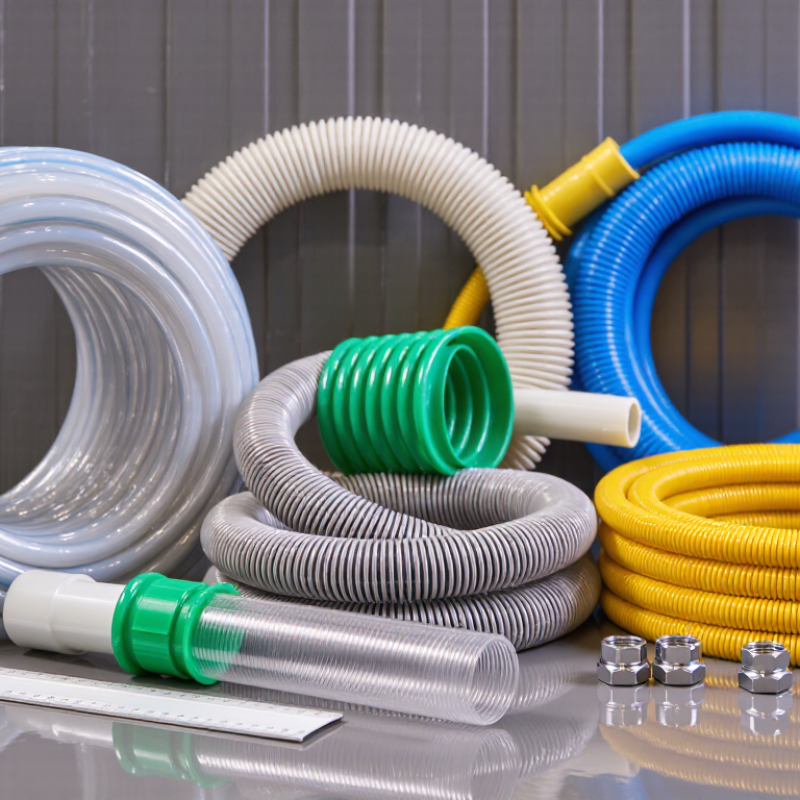
2026 Top PVC Hose Types for Global Buyers

PVC Hose Basics: Materials, Structure, and Key Properties

PVC hose is built around polyvinyl chloride, or PVC, blended with additives that shape its performance. Plasticizers make the material more flexible, while stabilizers help it withstand heat and light. The exact blend varies by use. A soft garden hose and a pressure-rated industrial hose should not be treated as equivalent.

Structure matters too. A basic hose may have one PVC wall, while reinforced designs add braided yarn or a spiral layer between inner and outer walls. That reinforcement helps resist pressure and kinking, but it can also reduce flexibility. Look closely at the cut end: layers and fibers are easier to assess there than from color alone.

It looks simple. It isn’t.

Key properties include working pressure, temperature range, bend radius, abrasion resistance, and compatibility with the material being carried. Check these against actual operating conditions, not just a product label. A hose that stays flexible in a cool warehouse may stiffen outdoors in cold weather. Clear PVC can make flow visible, but clarity alone says little about durability.

One useful question is often missed: how will the hose be stored between uses? Coiling it tightly or leaving it in direct sun may affect service life. These details deserve checking, even when the hose appears well made.

Main PVC Hose Types and Their Typical Applications

PVC hose is not one product with interchangeable uses. General-purpose PVC hose often handles low-pressure water or air around workshops, farms, and maintenance areas. For higher working pressures, braided PVC hose uses embedded reinforcement to limit expansion during transfer. It is common on wash-down lines and equipment connections, but the stated pressure rating still matters. Fit matters. Spiral-reinforced suction hose is designed for pump inlets, where vacuum resistance and a larger bore help maintain flow. Layflat PVC hose stays compact when empty and is useful for discharging water across fields or work sites.

Clear PVC hose lets operators watch the liquid, bubbles, or flow, which can help reveal interruptions. It suits selected transfer tasks, although clarity alone does not confirm chemical or temperature compatibility. Check the liquid, operating temperature, pressure, bend radius, and sunlight exposure before choosing a type. A hose that works beside a shaded pump may stiffen sooner on a hot, exposed line. Supplier terminology can vary, which can make comparisons frustrating. Check construction and test data, not just the product name or outside diameter. Small mismatches can mean costly downtime.

How Reinforcement and Design Shape Hose Performance

2026 Top PVC Hose Types for Global Buyers

How Reinforcement and Design Shape Hose Performance

A PVC hose is more than its outer wall. Its reinforcement controls pressure handling, flexibility, and resistance to kinking. A braided hose suits steady water transfer and moderate pressure. A spiral-reinforced design bends more easily around equipment, while a helix can help resist collapse under suction. These are not interchangeable choices. Match the construction to the working pressure, fluid, temperature, and bend radius listed by the supplier. A hose that looks sturdy may still flatten at a tight corner.

Material sourcing also deserves attention. VinylPlus’s 2024 Progress Report records 737,645 tonnes of PVC recycled in Europe in 2023. That figure signals substantial recycling activity, but it does not prove a particular hose contains recycled material. Ask for product-specific documentation. Check the reinforcement material, wall thickness, operating temperature range, and test conditions. Details matter.

How to Select a PVC Hose for Different Operating Conditions

2026 Top PVC Hose Types for Global Buyers
How to Select a PVC Hose for Different Operating Conditions

Choosing a PVC hose starts with the material it must carry and the conditions around it. Water, air, and some light chemicals may require different hose constructions. Check the supplier’s compatibility data before use; PVC formulations vary.

Next, compare working pressure, temperature range, and whether the line needs to handle suction. A braided hose can suit pressurized transfer, while a spiral-reinforced suction hose helps resist collapse.

Small details matter. Also consider the route: tight bends, rough floors, and frequent movement can shorten service life.

For outdoor use, check resistance to sunlight and temperature changes, not just the hose’s pressure rating. In cold conditions, PVC may become less flexible; in heat, its limits can be reached sooner.

Measure the actual operating temperature, including the fluid, rather than relying on room conditions. Inspect fittings and clamps too. A well-chosen hose can still leak at a poorly matched connection.

Do not guess. Confirm that the hose, fittings, and operating pressure work together, and leave a practical margin for pressure fluctuations.

Tips: Match the hose diameter to the required flow and connection size. Avoid sharp bends and dragging the hose over abrasive edges. Check for cracks, bulges, or loose fittings before use. If operating conditions change, review the selection again; I might overlook a detail on a quick first assessment.

Global Buyer Considerations: Standards, Testing, and Sourcing

Global buyers comparing PVC hose types should treat standards as a starting point, not a complete buying decision. Requirements vary by application, destination, and material contact. Confirm the current standard and test method with a qualified technical reviewer. A hose suited to water may not perform well with oils, outdoor sunlight, or frequent flexing. Small details matter.

Testing should reflect actual working conditions. Request documented results for pressure, temperature, vacuum, and dimensional checks where relevant. Review the test sample’s construction against the production hose, including reinforcement and wall thickness. Certificates help, but they do not tell the whole story. Check batch traceability and ask how failed lots are handled. If the hose will bend around a tight machine frame, test that bend; catalog ratings can miss this practical issue.

Sourcing decisions should include sample approval, stable specifications, and clear change-notification procedures. Compare lead times, minimum order quantities, packaging, and transport conditions, since heat or crushing during shipment can affect the product. Ask suppliers to explain how they control variation between production runs. A low quotation may leave testing or documentation unclear. No checklist removes every risk, and buyers should validate samples in their own equipment before placing a large order.

2026 Top PVC Hose Types for Global Buyers

Global Buyer Considerations: Standards, Testing, and Sourcing

Selected ISO Hose References — Edition Year

These references cover hose dimensions and tolerances (ISO 1307:2006), hydrostatic testing (ISO 1402:2021), adhesion between components (ISO 8033:2016), and flexibility and stiffness testing (ISO 10619-1:2017). Buyers of braided, suction, layflat, and other PVC hoses should confirm which requirements apply to the hose construction, intended service, destination market, and contract. The edition year is not a product approval or a measure of standard quality.

FAQS

What affects PVC hose flexibility and durability?

Plasticizers improve flexibility, while stabilizers help resist heat and light. The blend varies by use. Looks simple. It isn’t.

How can I tell whether a hose is reinforced?

Check the cut end for braided yarn or a spiral layer. Reinforcement can resist pressure and kinking, but may reduce flexibility.

Which PVC hose type suits water transfer?

General-purpose hoses often handle low-pressure water. Braided hoses suit some higher-pressure tasks, while layflat hoses are convenient for discharging water across work sites. Check the rating.

What is spiral-reinforced PVC hose designed for?

Its spiral layer helps resist vacuum, making it useful on pump inlets. Choose a suitable bore size to support flow.

Does clear PVC hose confirm that a liquid is compatible?

No. Clarity helps you see bubbles or flow interruptions, but it does not prove chemical or temperature compatibility. Check the liquid and operating conditions.

Which operating details should I check before choosing a hose?

Compare pressure, temperature, bend radius, abrasion, and material compatibility with actual conditions. A hose kept in a cool warehouse may stiffen outdoors.

How should PVC hose be stored between uses?

Avoid tight coils and prolonged direct sunlight when possible. Storage matters. I might overlook it, even when the hose looks well made.

What should buyers review when comparing samples and production hoses?

Compare reinforcement, wall thickness, and documented test results. Check batch traceability and how failed lots are handled. A sample can still differ from production.

Are standards and certificates enough to approve a hose?

They are useful starting points, not complete proof. Confirm relevant requirements with a qualified technical reviewer, then test samples in your own equipment. No checklist catches everything.

Conclusion

This guide introduces Pvc Hoses by explaining their basic materials, layered construction, and key properties, such as flexibility, durability, and resistance to common operating conditions. It compares major hose types and their typical uses, from general-purpose water transfer to applications that require greater strength or specialized performance. The guide also shows how reinforcement, wall thickness, and design affect pressure handling, bending, and service life.

For reliable selection, buyers should consider the fluid being conveyed, temperature range, working pressure, installation environment, and expected movement. Global sourcing also calls for careful attention to relevant quality standards, product testing, clear specifications, and supplier consistency. By understanding these factors, buyers can compare options more effectively and choose a PVC hose suited to their equipment, operating needs, and quality requirements.


Aria

Aria

Aria is a dedicated marketing professional with a deep passion for innovative strategies and a keen understanding of our company's product offerings. With a wealth of experience in the industry, Aria excels at crafting engaging content that highlights the unique features and benefits of our......